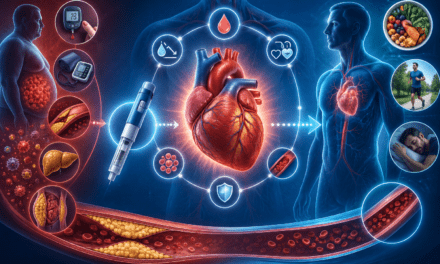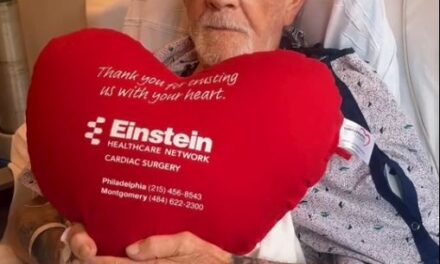
Imagine you’ve just been told you need heart surgery. For many people, the first question is, “Does that mean you’re going to crack my chest open?” I hear that question almost every day.
For decades, the traditional sternotomy has developed a reputation for large incisions, severe pain, long hospital stays, and difficult recoveries. The reality is very different today. While minimally invasive heart surgery has advanced tremendously, traditional sternotomy has evolved just as dramatically.
For many complex valve operations and repeat heart surgeries, a sternotomy remains the safest and most effective approach because it provides the exposure needed to perform these procedures with the highest level of precision. Most importantly, choosing a sternotomy does not mean you should expect an extremely painful recovery.
Over the years, I’ve refined every aspect of how I perform these operations with one goal in mind: helping patients recover faster and more comfortably. My incisions are typically much smaller than many patients expect. I personally perform every step of every operation, from the initial incision through the final skin closure, allowing me to tailor each incision while maintaining excellent surgical exposure.
We’ve also changed how the chest is opened. Modern retractors are much more refined than those used decades ago, and I focus on gentle exposure using only the amount of opening necessary. This greatly reduces injury to surrounding cartilage and ribs.
Pain management has improved significantly as well. I routinely inject long-acting local anesthetics around the incision, similar to the numbing medicine used by dentists. I also utilize cryoablation of the intercostal nerves, a technique that temporarily freezes the nerves responsible for much of the postoperative pain. In my experience, this has become another valuable tool in helping patients recover with significantly less discomfort.
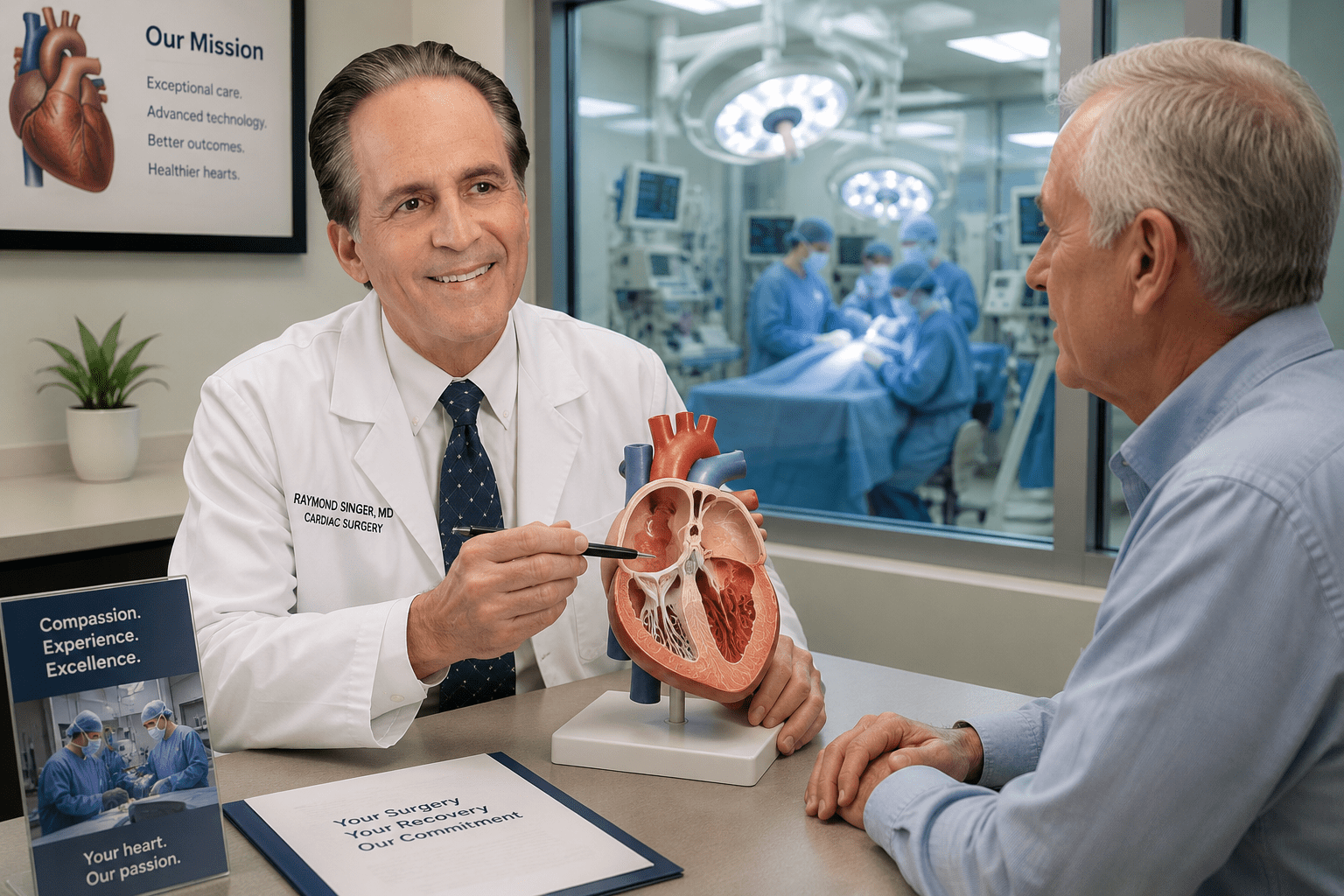
At the end of surgery, the breastbone is carefully brought back together using traditional sternal wires, which remain a strong, reliable, and effective method of fixation. Once the bone is stabilized, it heals much like any properly repaired fracture.
The results have been extremely gratifying. The vast majority of my patients require little or no narcotic pain medication after surgery. By the second or third day, many are comfortable using only acetaminophen or anti-inflammatory medication. Most patients return home within four to five days, begin driving in three to four weeks, and resume many normal daily activities within six to eight weeks.
I also believe the incision itself matters. I take great pride in creating meticulous incisions and use only absorbable sutures, so patients never need staples or skin clips removed. My goal is for the scar to be barely noticeable after a year. As I often joke with my patients, with a last name like Singer, I should know how to sew.
Heart surgery will always be a major operation, but major surgery does not have to mean major pain. With modern surgical techniques and thoughtful pain management, a traditional sternotomy can be far less painful than most people ever imagined. I’m Dr. Raymond Singer. I hope this was helpful, and I’ll see you next time.
Interested in my book? You can buy it on Amazon!
(𝘛𝘩𝘦 𝘷𝘪𝘦𝘸𝘴 𝘦𝘹𝘱𝘳𝘦𝘴𝘴𝘦𝘥 𝘪𝘯 𝘮𝘺 𝘱𝘰𝘴𝘵𝘴 𝘢𝘳𝘦 𝘮𝘺 𝘰𝘸𝘯 𝘢𝘯𝘥 𝘥𝘰 𝘯𝘰𝘵 𝘳𝘦𝘱𝘳𝘦𝘴𝘦𝘯𝘵 𝘵𝘩𝘦 𝘷𝘪𝘦𝘸𝘴 𝘰𝘧 𝘮𝘺 𝘦𝘮𝘱𝘭𝘰𝘺𝘦𝘳 𝘰𝘳 𝘢𝘯𝘺 𝘰𝘳𝘨𝘢𝘯𝘪𝘻𝘢𝘵𝘪𝘰𝘯.)
Recent Posts
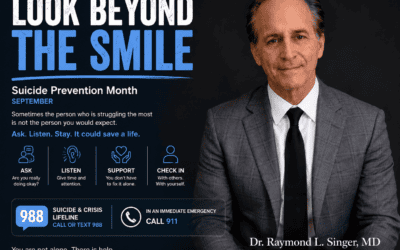
Look Beyond the Smile: How Are You Really Doing?
Sometimes the person struggling the most is not the person you would expect. They may still go to work, care for their family, answer their texts, and even make you laugh. Dr. Raymond L. Singer asks us to look beyond the smile, ask how someone is really doing, and stay long enough to hear the answer.
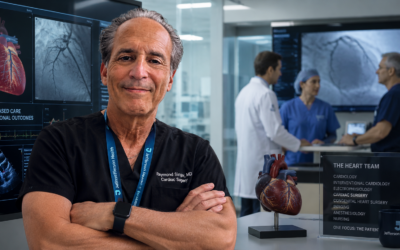
Cardiologist vs. Cardiac Surgeon: What’s the Difference?
What’s the difference between a cardiologist and a cardiac surgeon? Dr. Raymond Singer explains how cardiologists, interventional cardiologists, electrophysiologists, and cardiac surgeons work together as part of today’s modern heart team.

Thank You to the Night Shift
While most of the world is settling in for the evening, the hospital night shift is just beginning its workday. Dr. Raymond Singer reflects on the dedicated people who keep hospitals running around the clock and care for patients during some of the most vulnerable hours of their lives.
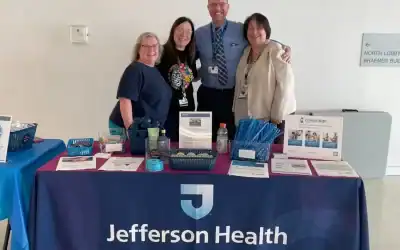
Celebrating a Remarkable Career of Caring
Dr. Raymond Singer celebrates his dear colleague and friend Marie Baker Mo, whose remarkable career has been defined by compassion, leadership, mentorship, and an unwavering commitment to caring for patients and those who care for them.

Quality and Patient Safety Must Always Come First
After years of leadership in healthcare quality and patient safety, Dr. Raymond Singer discusses two principles that can help prevent serious safety failures: ownership and communication.

The Power of Culture in Healthcare: Why Great Teams Deliver Better Care
In healthcare, metrics tell only part of the story. The culture behind a program shapes how people communicate, collaborate, hold one another accountable, and ultimately care for patients.
Featured
Pages
- Learn about heart valves. Heart Valves
- Read testimonials. Testimonials
- Did you know I have a consulting firm? Singer Heart/Lung Consulting
- Check out my TedTalk! Defining Success
Links
- Links page with more information about your heart. Links
- Dr. Adam Pick's Site: heart-valve-surgery.com