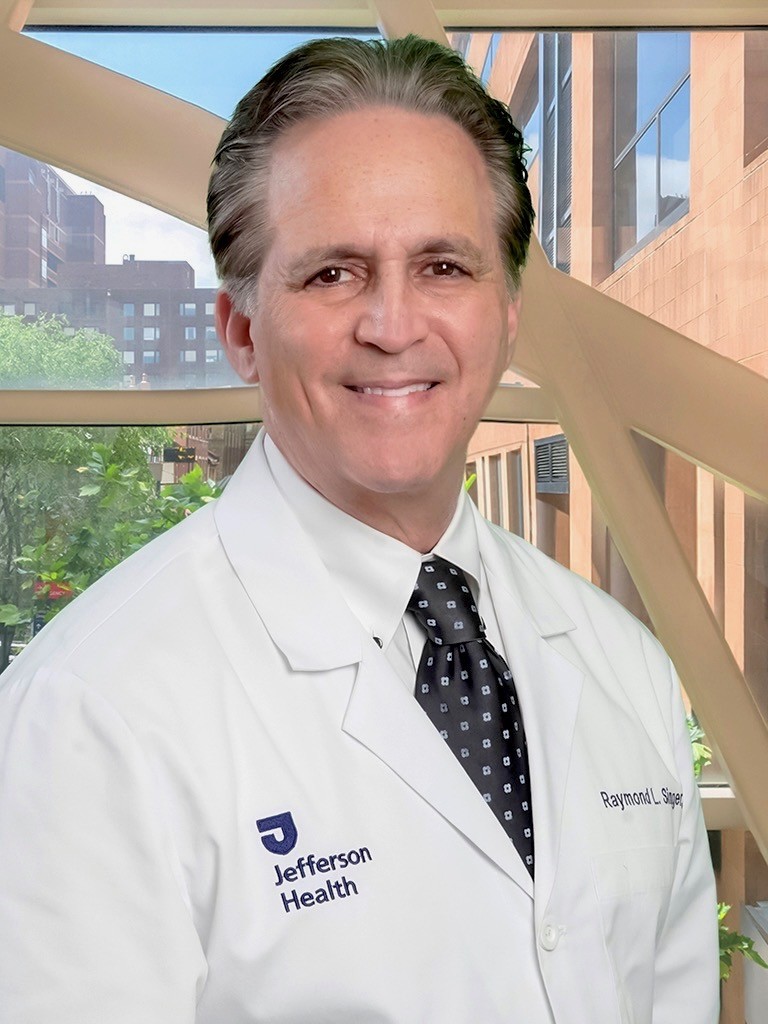
I’m Dr. Raymond Singer, and today I want to talk to you about the new GLP-1 medications, drugs like semaglutide and terzepatide, and why they have become one of the most important advances in preventing heart disease.
Now before I get started, I want to provide you with an important disclaimer, and that is I have absolutely no connection to any pharmaceutical company. I am not a paid consultant and I do not own any stock in any pharmaceutical company. The purpose of this video, like all my videos, is purely for educational purposes.
Now getting back to the GLP-1 medications, most people know these medications for weight loss or diabetes. But what we are learning is that their benefits may go far beyond the number on your weight scale.
Now, excessive weight, insulin resistance, inflammation, high blood pressure, abnormal cholesterol, and diabetes all place a stress on the heart and blood vessels. We talk about that in almost all of my videos. Over time, that can lead to cardiac disease, heart attacks, strokes, heart failure, and the need for procedures like stents or bypass surgery.
GLP-1 medications work by helping regulate appetite, blood sugar, and metabolism. Patients often lose significant weight, but they may also see improvements in blood pressure, blood sugar control, inflammation, and other risk factors that contribute to cardiovascular disease.
Now, one of the landmark studies called the SELECT trial showed that semaglutide reduced major cardiovascular events, including heart attack, stroke, and cardiovascular death in patients who were overweight and who already had heart disease, even if they did not have diabetes.
So as a result, the FDA has now approved Wegovy, which is a semaglutide, to reduce the risk of serious cardiovascular events in adults with established heart disease who are overweight.
Now, this is a really big deal because for years, we mostly treated obesity as a lifestyle issue. But obesity is also a biological and metabolic disease, and it is closely tied to heart disease.
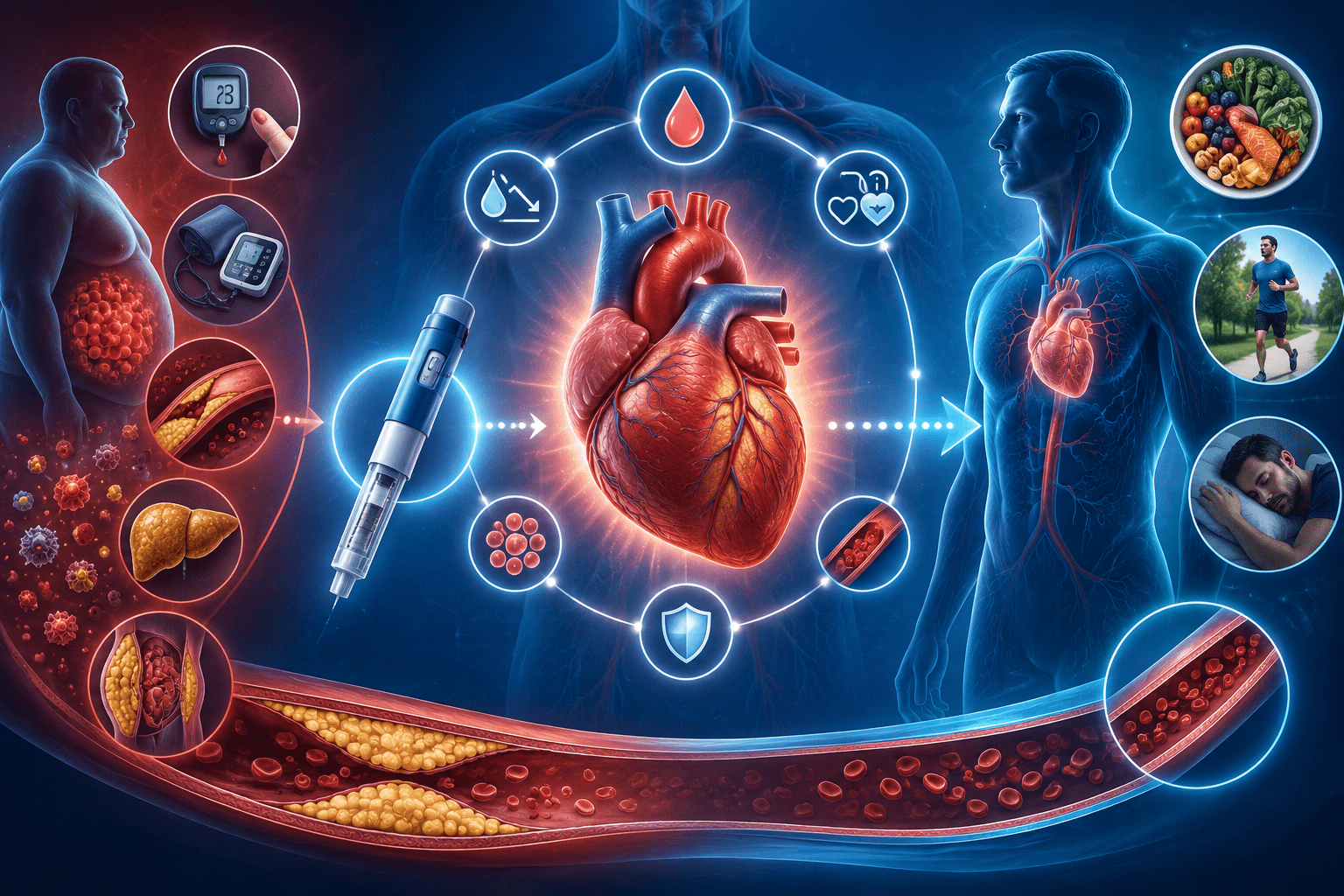
Now look, these medications are not magic. They are not a replacement for exercise, healthy eating, sleep, blood pressure control, cholesterol treatment, and certainly not for smoking. And they are not right for everyone.
They can have side effects including nausea, reflux, constipation, gallbladder problems, and rarely there could be serious complications. These medications should be prescribed and monitored only by a qualified clinician.
But as a heart surgeon, I think this is an important shift in the way we think about heart disease. We’re moving from treating heart disease after it becomes severe to helping prevent it earlier by treating the metabolic drivers that cause it.
My message is simple. GLP-1 medications may not be for everyone, but for the right patient, they may do more than help with weight loss. They may help protect the heart.
So talk to your doctor, know your risk factors, and remember, prevention is always better than rescue.
I’m Dr. Raymond Singer. I hope this was helpful and I’ll see you next time.
Interested in my book? You can buy it on Amazon!
(𝘛𝘩𝘦 𝘷𝘪𝘦𝘸𝘴 𝘦𝘹𝘱𝘳𝘦𝘴𝘴𝘦𝘥 𝘪𝘯 𝘮𝘺 𝘱𝘰𝘴𝘵𝘴 𝘢𝘳𝘦 𝘮𝘺 𝘰𝘸𝘯 𝘢𝘯𝘥 𝘥𝘰 𝘯𝘰𝘵 𝘳𝘦𝘱𝘳𝘦𝘴𝘦𝘯𝘵 𝘵𝘩𝘦 𝘷𝘪𝘦𝘸𝘴 𝘰𝘧 𝘮𝘺 𝘦𝘮𝘱𝘭𝘰𝘺𝘦𝘳 𝘰𝘳 𝘢𝘯𝘺 𝘰𝘳𝘨𝘢𝘯𝘪𝘻𝘢𝘵𝘪𝘰𝘯.)
Recent Posts
The Power of Culture in Healthcare: Why Great Teams Deliver Better Care
In healthcare, metrics tell only part of the story. The culture behind a program shapes how people communicate, collaborate, hold one another accountable, and ultimately care for patients.
A Tiny Heart Tumor, a Stroke, and a Remarkable Recovery
After suffering a stroke with no clear source, Tayshia Hatcher was found to have a small tumor on her aortic valve. Surgeons removed the benign tumor, preserved her valve, and helped identify what was likely the source of her stroke. Six weeks after surgery, Tayshia reported no pain and no lasting effects from her stroke.

When Open Heart Surgery Is the Best Option
At 82 years old, Rachel Leister underwent triple valve open heart surgery after severe aortic and mitral valve stenosis caused significant shortness of breath. Six weeks later, she is pain-free, feeling great, and ready to get back to walking outdoors.
Your Heart Was Made to Move
What is the best exercise for your heart? There isn’t just one answer. Dr. Raymond Singer explains how aerobic exercise, strength training, flexibility, balance, and simple daily movement can all support cardiovascular health.

Can Sleep Affect Your Waistline?
We often think about diet and exercise when we talk about maintaining a healthy weight. But there may be a third piece of the puzzle: sleep. Dr. Raymond Singer explores how insufficient sleep can affect hunger, metabolism, cravings, abdominal fat, and cardiovascular health.
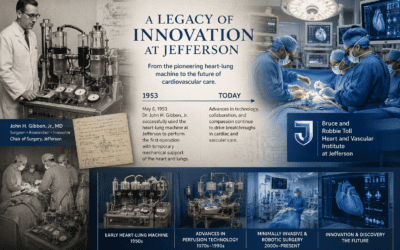
The Heart-Lung Machine: A Jefferson Legacy That Changed Medicine
More than 70 years ago, Jefferson surgeon and researcher John H. Gibbon Jr. helped make what once seemed impossible a reality: temporarily replacing the functions of the heart and lungs with a machine so surgeons could operate on a stopped heart.
Featured
Pages
- Learn about heart valves. Heart Valves
- Read testimonials. Testimonials
- Did you know I have a consulting firm? Singer Heart/Lung Consulting
- Check out my TedTalk! Defining Success
Links
- Links page with more information about your heart. Links
- Dr. Adam Pick's Site: heart-valve-surgery.com