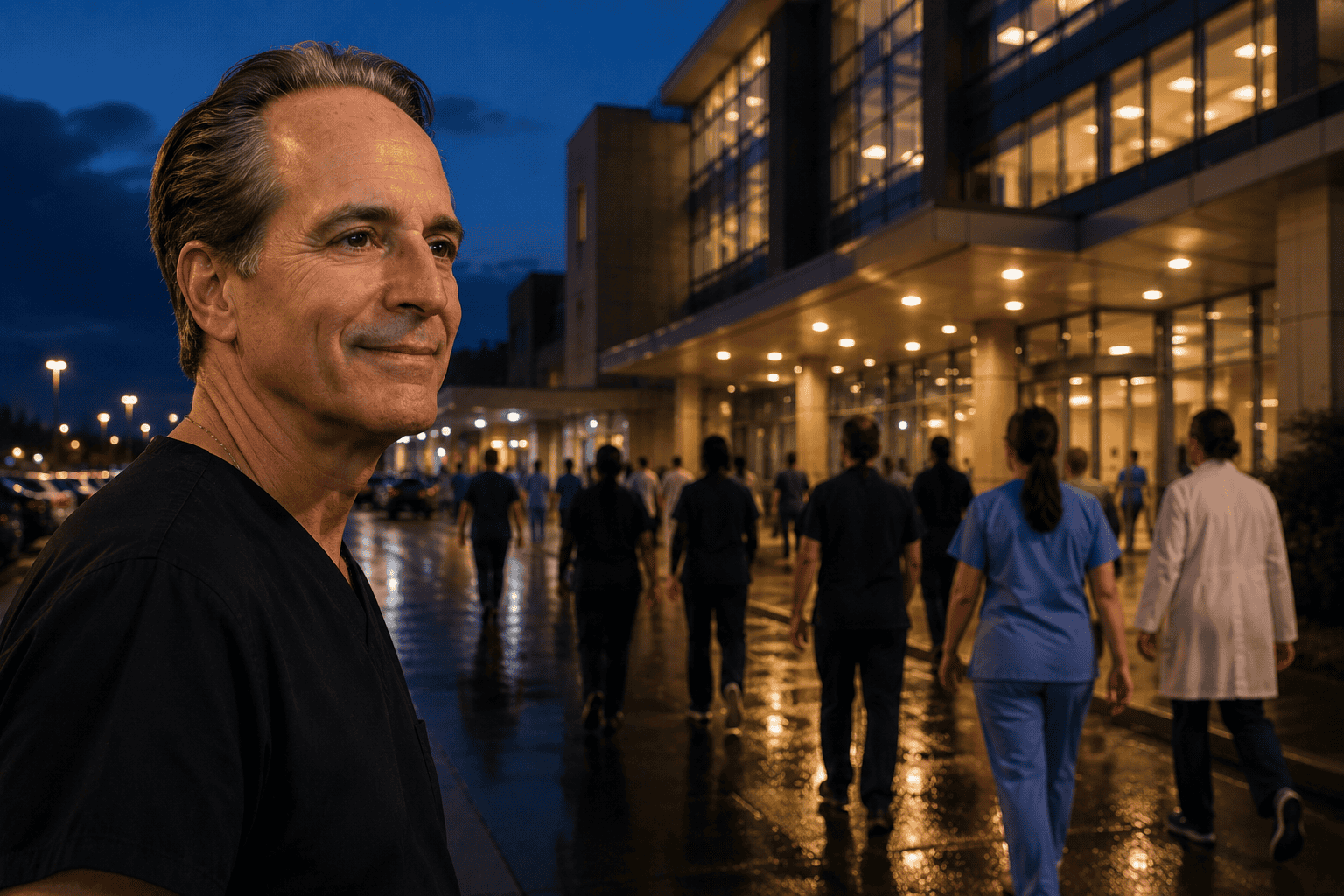
It’s a little after 7 o’clock at night, and I’m walking out of the hospital on a beautiful evening here in the Philadelphia area. And as I’m heading to my car, I see all of them walking in from their cars. And of course, I’m talking about the night shift.
Nurses, physicians, APPs, technicians, respiratory therapists, security officers, environmental services, lab personnel, pharmacists, and so on. So many people beginning their workday, just as many of us are ending ours. And it always makes me think about something that we probably don’t appreciate often enough.
And that is a hospital never closes. 24 hours a day, seven days a week, 365 days a year. It doesn’t matter if it’s Christmas morning, Thanksgiving night, New Year’s Eve, birthdays, anniversaries. It doesn’t matter if there are snowstorms, thunderstorms, hurricanes. The lights are always on because somewhere inside that hospital, someone is frightened, someone is hurting, someone is having a baby, and someone is undergoing emergency surgery. And yes, someone may be literally fighting for their life.
And someone has to be there for them.
I have tremendous admiration for everyone who keeps the hospital running. There’s so many quiet heroes behind the scenes, engineering, security, environmental services, food services. Our leadership teams, it just goes on and on. It truly takes thousands of people doing thousands of different jobs to care for our patients.
But there is something especially remarkable about the people who walk through those doors at night. While most of the world is having dinner, putting their children to bed, or settling in for the evening, your workday is just beginning.
You walk into the emergency department, the ICU, maternity, pediatrics, the operating rooms, the medical and surgical floors. You take responsibility for people during some of the most vulnerable hours of their lives.
And at two or three in the morning, when a patient is frightened and their family has gone home, you are the person who sits behind their bed, who sits with them, holds their hand, and reminds them that they are not alone. That is more than just a job. That is an awesome service that you provide.
So tonight, as I walk out and I watch you walk in, I simply want to say, I see you. I respect you and I am incredibly grateful for you.
To every member of the night shift and every hospital everywhere, thank you for keeping the lights on. Thank you for being there when the rest of the world sleeps. And most importantly, thank you for taking care of our patients.
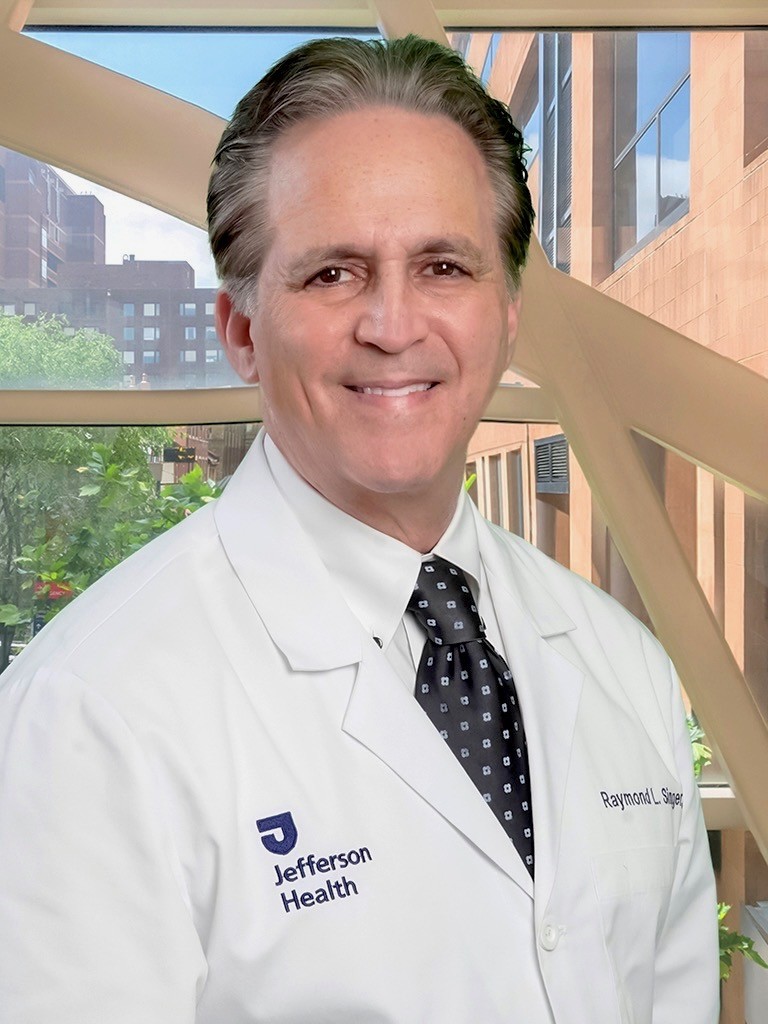
I’m Dr. Raymond Singer, and I’ll see you next time.
Interested in my book? You can buy it on Amazon!
(𝘛𝘩𝘦 𝘷𝘪𝘦𝘸𝘴 𝘦𝘹𝘱𝘳𝘦𝘴𝘴𝘦𝘥 𝘪𝘯 𝘮𝘺 𝘱𝘰𝘴𝘵𝘴 𝘢𝘳𝘦 𝘮𝘺 𝘰𝘸𝘯 𝘢𝘯𝘥 𝘥𝘰 𝘯𝘰𝘵 𝘳𝘦𝘱𝘳𝘦𝘴𝘦𝘯𝘵 𝘵𝘩𝘦 𝘷𝘪𝘦𝘸𝘴 𝘰𝘧 𝘮𝘺 𝘦𝘮𝘱𝘭𝘰𝘺𝘦𝘳 𝘰𝘳 𝘢𝘯𝘺 𝘰𝘳𝘨𝘢𝘯𝘪𝘻𝘢𝘵𝘪𝘰𝘯.)
Recent Posts

It’s Never Too Late to Invest in Your Health
You don’t need to be an athlete or 25 to invest in your health. Discover why movement, emotional well-being, and purpose matter at every age.
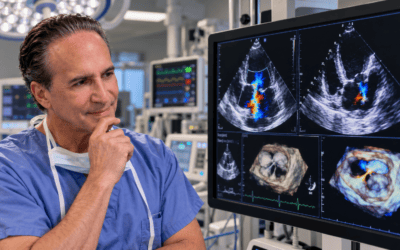
Two Valves Repaired: Seeing the Heart Work Better
A cardiac surgeon explains the repair of two severely leaking heart valves, including what the echocardiogram showed before and after surgery.
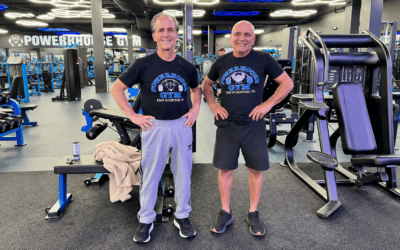
73 Years Young: Strength Has No Age Limit
At 73, Joseph Lisa is still getting stronger. Discover why age doesn’t have to define our limits and why staying active matters for a longer, healthier life.

Should We Be Afraid of AI?
Should we be afraid of AI? Dr. Scott Silverstein, a pioneer in medical informatics, shares why human judgment, experience, and responsible innovation matter more than ever.

Extraordinary Care Around the Clock
While most of us are sleeping, the cardiac surgery night crew at Jefferson Einstein Montgomery Hospital is working tirelessly to keep patients safe, supported, and cared for. Their dedication, compassion, and teamwork make extraordinary care possible around the clock.

Not Every Patient With Aortic Stenosis Is Best Served by the Least Invasive Approach
Not every patient with aortic stenosis is best served by the least invasive approach. For this 68-year-old patient, severe aortic stenosis and critical coronary artery disease made surgical valve replacement and CABG the right choice.
Featured
Pages
- Learn about heart valves. Heart Valves
- Read testimonials. Testimonials
- Did you know I have a consulting firm? Singer Heart/Lung Consulting
- Check out my TedTalk! Defining Success
Links
- Links page with more information about your heart. Links
- Dr. Adam Pick's Site: heart-valve-surgery.com