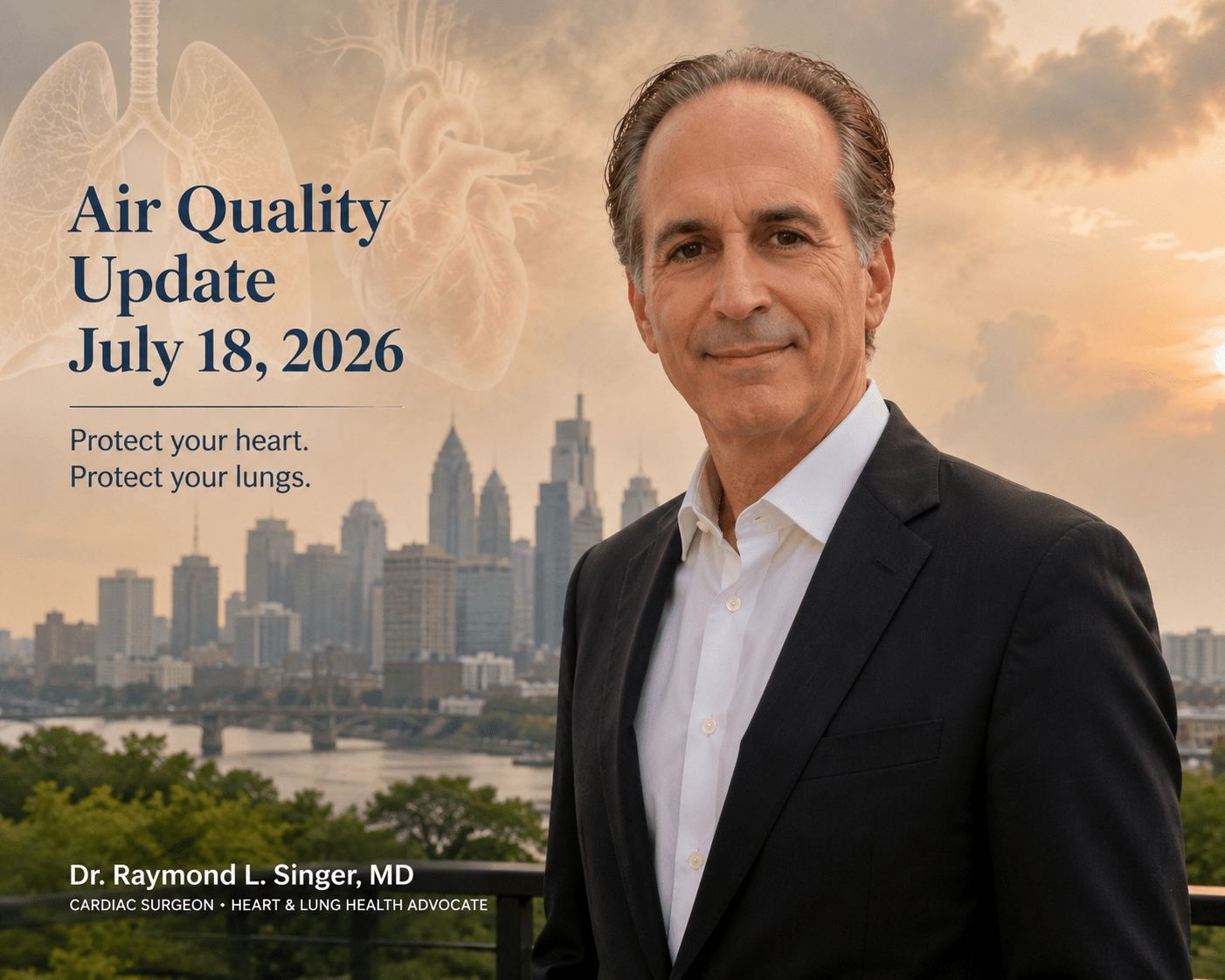
Good morning, everyone. I’m Dr. Raymond Singer with an important update on the air quality situation affecting Pennsylvania and the Philadelphia region.
The good news is that conditions are beginning to improve compared to yesterday. However, if you live in Philadelphia, Montgomery, Delaware, Chester, or Bucks County, the Pennsylvania Department of Environmental Protection has kept a Code Orange Air Quality Alert in effect for today.
While air quality is better than yesterday’s very unhealthy Code Red conditions, the air remains unhealthy for sensitive groups. In Pittsburgh and surrounding areas, a Code Red Air Quality Alert remains in effect.
Why Is Air Quality Still Poor?
Smoke from the massive Canadian wildfires continues drifting into our region while warm temperatures contribute to poor air quality. The primary concern is PM2.5, microscopic particles small enough to travel deep into the lungs and even enter the bloodstream.
As a cardiac surgeon, I want to emphasize that this is not simply a lung issue. Wildfire smoke increases inflammation throughout the body and places additional stress on the cardiovascular system.
Research has shown an increased risk of:
- Chest pain
- Heart attacks
- Abnormal heart rhythms
- Worsening heart failure
- Stroke
These risks are especially important for people with heart disease, asthma, COPD, other chronic lung conditions, adults over 65, pregnant women, and young children.
How to Protect Yourself
- Limit strenuous outdoor exercise, especially during the afternoon.
- Keep windows closed and use air conditioning on the recirculate setting if possible.
- Wear a properly fitted N95 or KN95 mask if you must spend extended time outdoors.
- Stay well hydrated, as heat and poor air quality together increase stress on the body.
If you experience chest pain, worsening shortness of breath, dizziness, or heart palpitations, seek medical attention immediately.
Looking Ahead
Forecasters expect showers and thunderstorms to help clear much of the wildfire smoke from our area, with cleaner air anticipated by Sunday if the forecast holds.
This serves as an important reminder that air quality is not simply an environmental issue. It is a public health issue. Even healthy individuals may experience eye irritation, coughing, fatigue, or decreased exercise tolerance during periods of poor air quality.
Please check on elderly family members and neighbors, stay informed, and continue taking steps to protect your heart and lungs.
I’m Dr. Raymond Singer. Stay safe, take care of your heart, take care of your lungs, and I’ll continue to keep you updated.
Interested in my book? You can buy it on Amazon!
(𝘛𝘩𝘦 𝘷𝘪𝘦𝘸𝘴 𝘦𝘹𝘱𝘳𝘦𝘴𝘴𝘦𝘥 𝘪𝘯 𝘮𝘺 𝘱𝘰𝘴𝘵𝘴 𝘢𝘳𝘦 𝘮𝘺 𝘰𝘸𝘯 𝘢𝘯𝘥 𝘥𝘰 𝘯𝘰𝘵 𝘳𝘦𝘱𝘳𝘦𝘴𝘦𝘯𝘵 𝘵𝘩𝘦 𝘷𝘪𝘦𝘸𝘴 𝘰𝘧 𝘮𝘺 𝘦𝘮𝘱𝘭𝘰𝘺𝘦𝘳 𝘰𝘳 𝘢𝘯𝘺 𝘰𝘳𝘨𝘢𝘯𝘪𝘻𝘢𝘵𝘪𝘰𝘯.)
Recent Posts
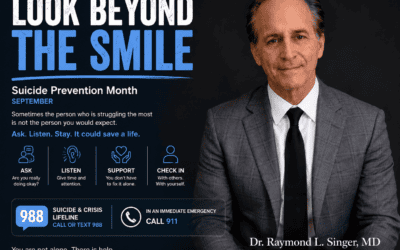
Look Beyond the Smile: How Are You Really Doing?
Sometimes the person struggling the most is not the person you would expect. They may still go to work, care for their family, answer their texts, and even make you laugh. Dr. Raymond L. Singer asks us to look beyond the smile, ask how someone is really doing, and stay long enough to hear the answer.

Cardiologist vs. Cardiac Surgeon: What’s the Difference?
What’s the difference between a cardiologist and a cardiac surgeon? Dr. Raymond Singer explains how cardiologists, interventional cardiologists, electrophysiologists, and cardiac surgeons work together as part of today’s modern heart team.

Thank You to the Night Shift
While most of the world is settling in for the evening, the hospital night shift is just beginning its workday. Dr. Raymond Singer reflects on the dedicated people who keep hospitals running around the clock and care for patients during some of the most vulnerable hours of their lives.

Celebrating a Remarkable Career of Caring
Dr. Raymond Singer celebrates his dear colleague and friend Marie Baker Mo, whose remarkable career has been defined by compassion, leadership, mentorship, and an unwavering commitment to caring for patients and those who care for them.
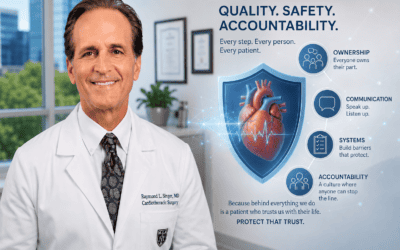
Quality and Patient Safety Must Always Come First
After years of leadership in healthcare quality and patient safety, Dr. Raymond Singer discusses two principles that can help prevent serious safety failures: ownership and communication.

The Power of Culture in Healthcare: Why Great Teams Deliver Better Care
In healthcare, metrics tell only part of the story. The culture behind a program shapes how people communicate, collaborate, hold one another accountable, and ultimately care for patients.
Featured
Pages
- Learn about heart valves. Heart Valves
- Read testimonials. Testimonials
- Did you know I have a consulting firm? Singer Heart/Lung Consulting
- Check out my TedTalk! Defining Success
Links
- Links page with more information about your heart. Links
- Dr. Adam Pick's Site: heart-valve-surgery.com