❤️ 𝐅𝐞𝐛𝐫𝐮𝐚𝐫𝐲 𝐢𝐬 𝐇𝐞𝐚𝐫𝐭 𝐌𝐨𝐧𝐭𝐡 ❤️
Across the country this month, communities, hospitals, workplaces, and families are coming together to shine a light on heart health through powerful initiatives like Wear Red Day, Go Red for Women, and Heart Valve Awareness Day. Each of these moments carries a shared message: heart disease remains the leading cause of death, but awareness, prevention, and timely care save lives.
Heart health isn’t just a medical issue, it’s a human one. No matter your career or profession, your heart is your most essential engine. Taking time to know your numbers, manage stress, stay active, eat thoughtfully, and listen to your body is not optional, it’s foundational. Prevention matters. Early detection matters. Advocacy matters.
For more than 35 years, I’ve had the privilege of supporting the American Heart Association and the American Stroke Association, organizations that have tirelessly advanced research, education, and lifesaving care. It has been a profound honor to care for patients with complex heart conditions, and to stand beside them and their families during some of the most vulnerable moments of their lives.
This Heart Month, let’s commit, personally and collectively, to protecting the one organ we can’t live without. Every heartbeat counts.
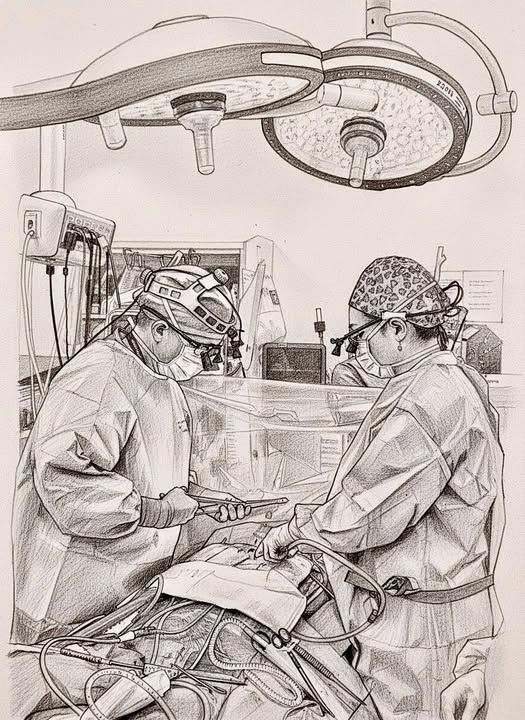
Interested in my book? You can buy it on Amazon!
(𝘛𝘩𝘦 𝘷𝘪𝘦𝘸𝘴 𝘦𝘹𝘱𝘳𝘦𝘴𝘴𝘦𝘥 𝘪𝘯 𝘮𝘺 𝘱𝘰𝘴𝘵𝘴 𝘢𝘳𝘦 𝘮𝘺 𝘰𝘸𝘯 𝘢𝘯𝘥 𝘥𝘰 𝘯𝘰𝘵 𝘳𝘦𝘱𝘳𝘦𝘴𝘦𝘯𝘵 𝘵𝘩𝘦 𝘷𝘪𝘦𝘸𝘴 𝘰𝘧 𝘮𝘺 𝘦𝘮𝘱𝘭𝘰𝘺𝘦𝘳 𝘰𝘳 𝘢𝘯𝘺 𝘰𝘳𝘨𝘢𝘯𝘪𝘻𝘢𝘵𝘪𝘰𝘯.)
Recent Posts
Look Beyond the Smile: How Are You Really Doing?
Sometimes the person struggling the most is not the person you would expect. They may still go to work, care for their family, answer their texts, and even make you laugh. Dr. Raymond L. Singer asks us to look beyond the smile, ask how someone is really doing, and stay long enough to hear the answer.
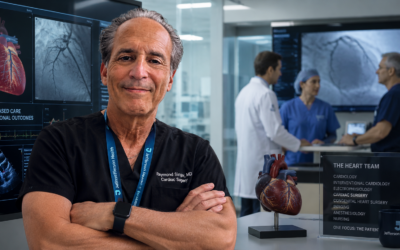
Cardiologist vs. Cardiac Surgeon: What’s the Difference?
What’s the difference between a cardiologist and a cardiac surgeon? Dr. Raymond Singer explains how cardiologists, interventional cardiologists, electrophysiologists, and cardiac surgeons work together as part of today’s modern heart team.

Thank You to the Night Shift
While most of the world is settling in for the evening, the hospital night shift is just beginning its workday. Dr. Raymond Singer reflects on the dedicated people who keep hospitals running around the clock and care for patients during some of the most vulnerable hours of their lives.
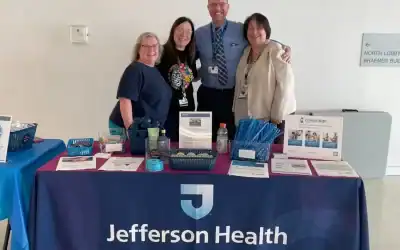
Celebrating a Remarkable Career of Caring
Dr. Raymond Singer celebrates his dear colleague and friend Marie Baker Mo, whose remarkable career has been defined by compassion, leadership, mentorship, and an unwavering commitment to caring for patients and those who care for them.
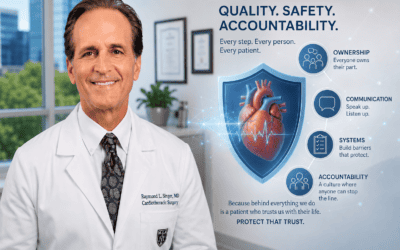
Quality and Patient Safety Must Always Come First
After years of leadership in healthcare quality and patient safety, Dr. Raymond Singer discusses two principles that can help prevent serious safety failures: ownership and communication.

The Power of Culture in Healthcare: Why Great Teams Deliver Better Care
In healthcare, metrics tell only part of the story. The culture behind a program shapes how people communicate, collaborate, hold one another accountable, and ultimately care for patients.
Featured
Pages
- Learn about heart valves. Heart Valves
- Read testimonials. Testimonials
- Did you know I have a consulting firm? Singer Heart/Lung Consulting
- Check out my TedTalk! Defining Success
Links
- Links page with more information about your heart. Links
- Dr. Adam Pick's Site: heart-valve-surgery.com