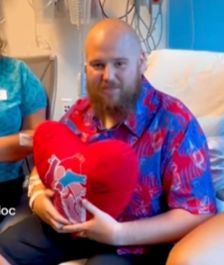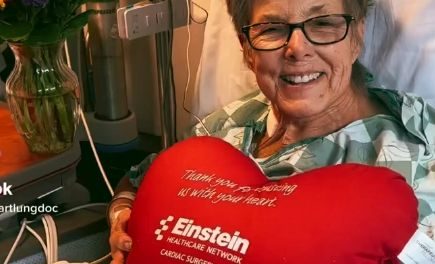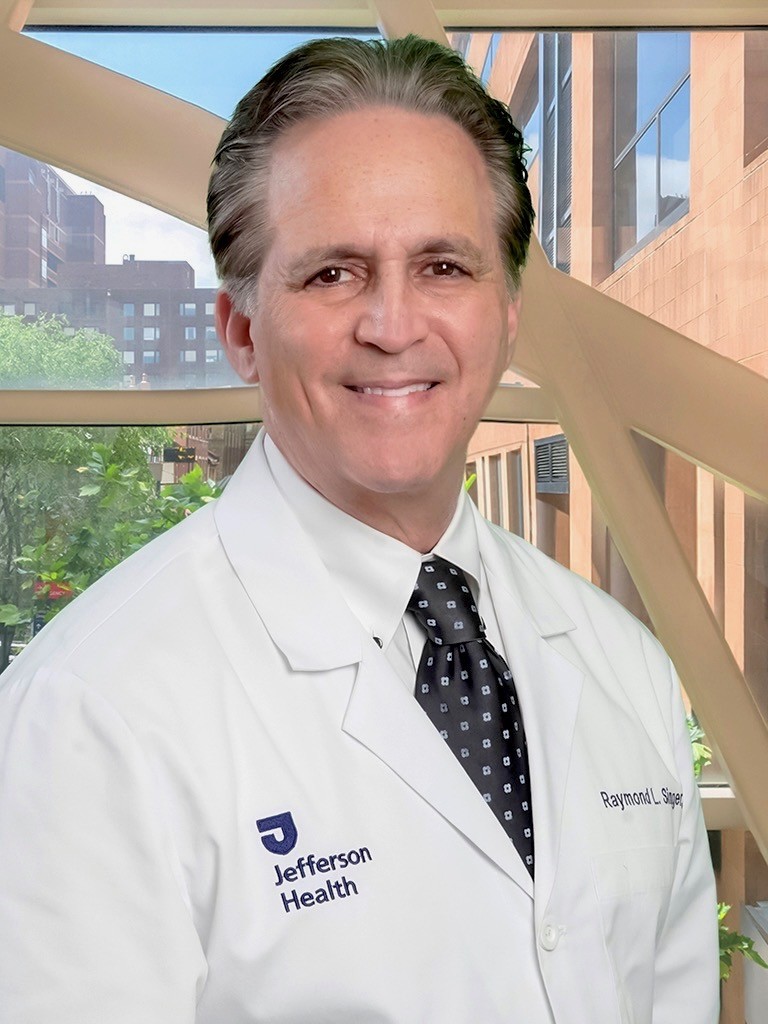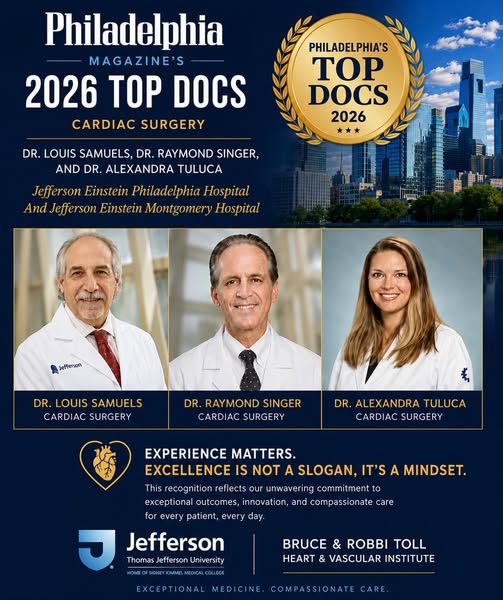
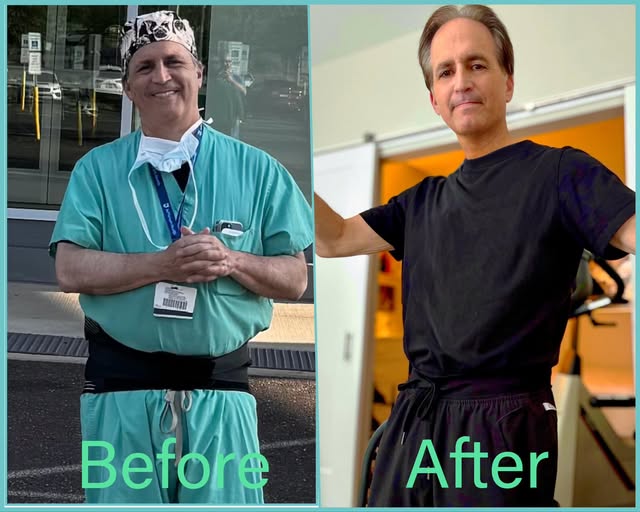
Same surgeon. Same passion. Just a healthier version of myself.
It’s hard to believe these photos are only about two years apart.
Over that time, I’ve lost nearly 60 pounds.
The truth is that even heart surgeons aren’t immune to the challenges of maintaining a healthy lifestyle. Long hours, stress, missed meals, late nights, and the demands of caring for others can make it easy to neglect yourself.
This journey wasn’t about looking different. It was about feeling better, having more energy, improving my health, and practicing what I encourage my patients to do every day.
The biggest lesson I’ve learned is that meaningful change doesn’t happen overnight. It happens one decision at a time, one workout at a time, one healthier meal at a time.
No matter your age, your profession, or where you’re starting from, it’s never too late to invest in your health.
Your future self will thank you for it.
For those of you who know me or may follow me on social media, you may find it hard to believe that I was once an athlete.
The fact is that growing up, sports were a huge part of my life. I played football, I wrestled, I ran track, and I played softball. I was always active, always competing, and like many people, I assumed that because I was so active and athletic when I was younger, I would always stay healthy as an adult.
But life has a way of sneaking up on us.
For me, it was college and medical school and surgical training, then long hours in the operating room, nights on call, family responsibilities, stress, travel, and the endless demands of a busy career. It all began to take its toll.
I’m sure you feel the same way about your life.
So little by little, the weight came on. Not all at once. A few pounds here, a few pounds there, until one day recently I looked in the mirror and realized I wasn’t the person I remembered.
So I decided to take charge.
Over the past two years, I have lost nearly 60 pounds.
People often ask me what diet I followed or what secret I discovered. The truth is, there’s no secret.
Yes, I did have a jumpstart with the new GLP-1s, but what really changed my life were the same principles I wrote about in my book while I was losing the weight. It’s called I Used to Be an Athlete: The Three E’s for the Preservation of Youth.
Let’s talk about those Three E’s.
The first E is Eating Right.
In my experience, this is where the journey must begin. For years, I convinced myself that I was too busy. Too busy to meal plan, too busy to pay attention, too busy to make healthy choices.
The reality is that every bite matters.
Healthy eating isn’t about perfection. It’s about consistency. Small decisions repeated day after day eventually become life-changing results.
The second E is Exercise.
Not because it helps you lose weight, although it certainly does help. More importantly, exercise is the closest thing we have to a fountain of youth.
It keeps our muscles strong, our hearts healthy, and our minds sharp. Quite frankly, it keeps our spirits energized.
The goal isn’t to train like you’re 20 years old. That’s not going to happen. The goal is to keep moving so you can enjoy life at age 70, 80, and beyond.
The third E is Emotional Wellness, and I think it’s the most important one of all.
Stress, anxiety, burnout, loneliness, and emotional exhaustion can sabotage even the best of our intentions.
We often eat because we’re tired, frustrated, worried, or overwhelmed. I was always a stress eater.
Taking care of our mental and emotional health is just as important as taking care of our bodies.
As a heart surgeon, I spend my life helping people survive heart disease. But over the years, I’ve learned something really important.
It’s not just about living longer.
The goal is to stay vibrant, energetic, engaged, and purposeful.
Today, at 68 years old, I feel healthier than I have in decades.
I have more energy, greater stamina, better clarity, and a deeper appreciation for what the human body can accomplish when we invest in ourselves.
If you’re looking in the mirror today and feeling discouraged, remember this: it’s never too late.
It wasn’t for me, and it’s not for you.
You don’t have to become who you once were. You can become an even better version of yourself today.
I’m Dr. Raymond Singer, author of I Used to Be an Athlete: The Three E’s for the Preservation of Youth.
I hope this was helpful. I’ll see you next time.
Interested in my book? You can buy it on Amazon!
(𝘛𝘩𝘦 𝘷𝘪𝘦𝘸𝘴 𝘦𝘹𝘱𝘳𝘦𝘴𝘴𝘦𝘥 𝘪𝘯 𝘮𝘺 𝘱𝘰𝘴𝘵𝘴 𝘢𝘳𝘦 𝘮𝘺 𝘰𝘸𝘯 𝘢𝘯𝘥 𝘥𝘰 𝘯𝘰𝘵 𝘳𝘦𝘱𝘳𝘦𝘴𝘦𝘯𝘵 𝘵𝘩𝘦 𝘷𝘪𝘦𝘸𝘴 𝘰𝘧 𝘮𝘺 𝘦𝘮𝘱𝘭𝘰𝘺𝘦𝘳 𝘰𝘳 𝘢𝘯𝘺 𝘰𝘳𝘨𝘢𝘯𝘪𝘻𝘢𝘵𝘪𝘰𝘯.)
Recent Posts
The Power of Culture in Healthcare: Why Great Teams Deliver Better Care
In healthcare, metrics tell only part of the story. The culture behind a program shapes how people communicate, collaborate, hold one another accountable, and ultimately care for patients.
A Tiny Heart Tumor, a Stroke, and a Remarkable Recovery
After suffering a stroke with no clear source, Tayshia Hatcher was found to have a small tumor on her aortic valve. Surgeons removed the benign tumor, preserved her valve, and helped identify what was likely the source of her stroke. Six weeks after surgery, Tayshia reported no pain and no lasting effects from her stroke.
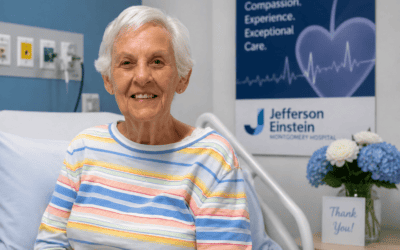
When Open Heart Surgery Is the Best Option
At 82 years old, Rachel Leister underwent triple valve open heart surgery after severe aortic and mitral valve stenosis caused significant shortness of breath. Six weeks later, she is pain-free, feeling great, and ready to get back to walking outdoors.
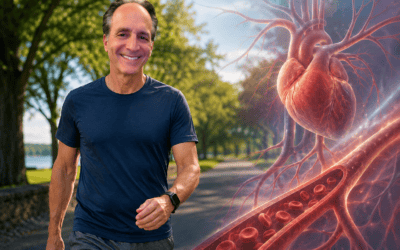
Your Heart Was Made to Move
What is the best exercise for your heart? There isn’t just one answer. Dr. Raymond Singer explains how aerobic exercise, strength training, flexibility, balance, and simple daily movement can all support cardiovascular health.

Can Sleep Affect Your Waistline?
We often think about diet and exercise when we talk about maintaining a healthy weight. But there may be a third piece of the puzzle: sleep. Dr. Raymond Singer explores how insufficient sleep can affect hunger, metabolism, cravings, abdominal fat, and cardiovascular health.
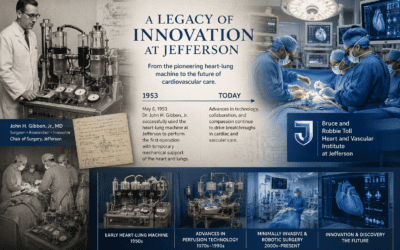
The Heart-Lung Machine: A Jefferson Legacy That Changed Medicine
More than 70 years ago, Jefferson surgeon and researcher John H. Gibbon Jr. helped make what once seemed impossible a reality: temporarily replacing the functions of the heart and lungs with a machine so surgeons could operate on a stopped heart.
Featured
Pages
- Learn about heart valves. Heart Valves
- Read testimonials. Testimonials
- Did you know I have a consulting firm? Singer Heart/Lung Consulting
- Check out my TedTalk! Defining Success
Links
- Links page with more information about your heart. Links
- Dr. Adam Pick's Site: heart-valve-surgery.com