One of the most common questions people ask me is, “What is it like to hold a human heart in your hand?”
Well, I’ll tell you, even after nearly 9,000 heart operations, it’s a feeling that never gets old.
Every time I hold a heart in my hand, I am reminded that I am holding something extraordinary.
It’s a relatively small organ. It’s no bigger than a fist, but it’s been beating every second of a person’s life.
It has carried them through childhood, through love, through loss, through every joy and every challenge they have ever faced. It’s truly awe-inspiring. In many ways, it’s almost spiritual.
In fact, people are sometimes surprised when I tell them that I feel closest to God when I’m in the operating room.
They’ll say, “But wait, you studied science. You’re a scientist. How can you believe in God?”
And my answer is always the same: It’s because I’m a scientist.
It’s because I study science that I believe in God.
Every blood vessel has a purpose. Every valve opens and closes with remarkable timing. Every heartbeat sustains a life, a family, and a story.
Standing there in that operating room, surrounded by an incredible team and trusted with another human being’s life, I am constantly reminded of how precious and miraculous life truly is.
Medicine teaches us the science of the heart, but sometimes holding a heart in your hand teaches you something even greater.
It teaches you humility, wonder, gratitude, and a profound appreciation for the gift of life.
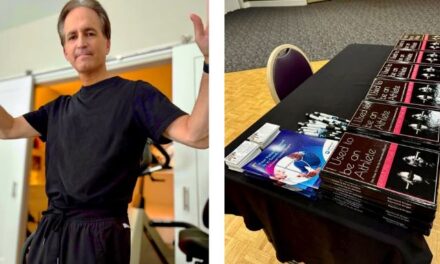
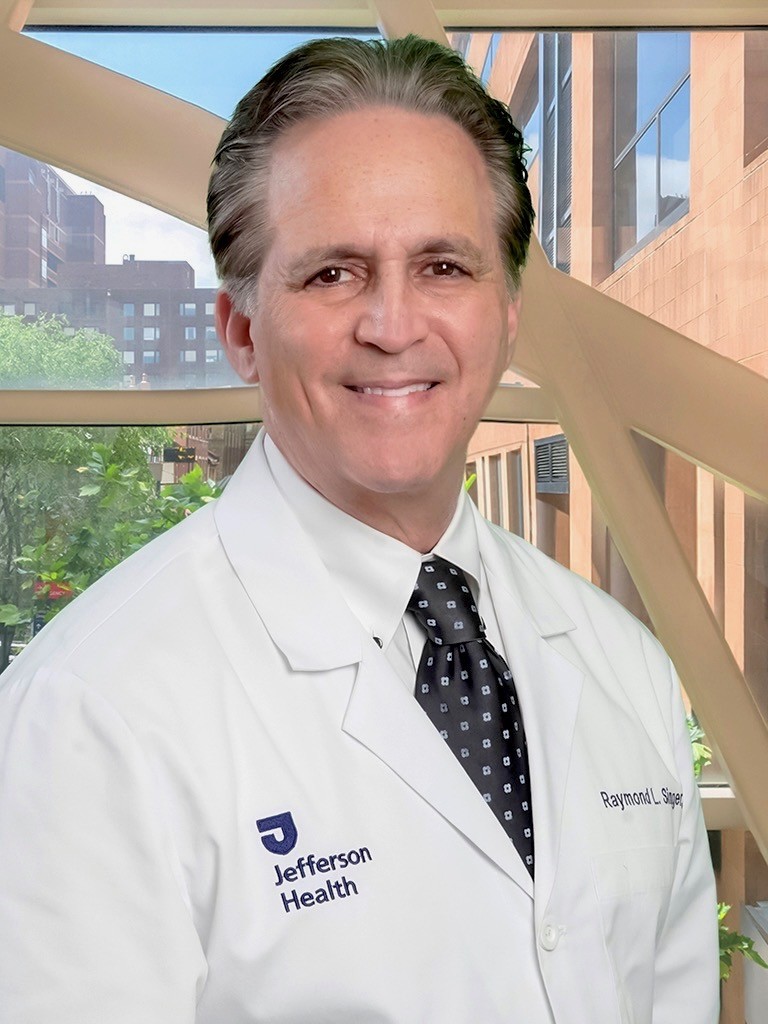
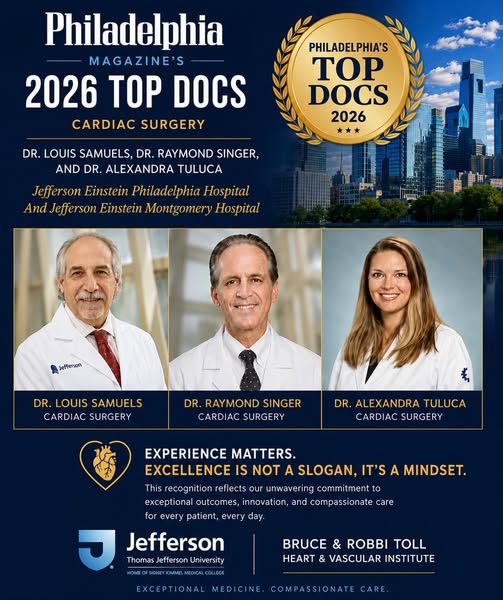
I’m Dr. Raymond Singer.
God bless, and I’ll see you next time.
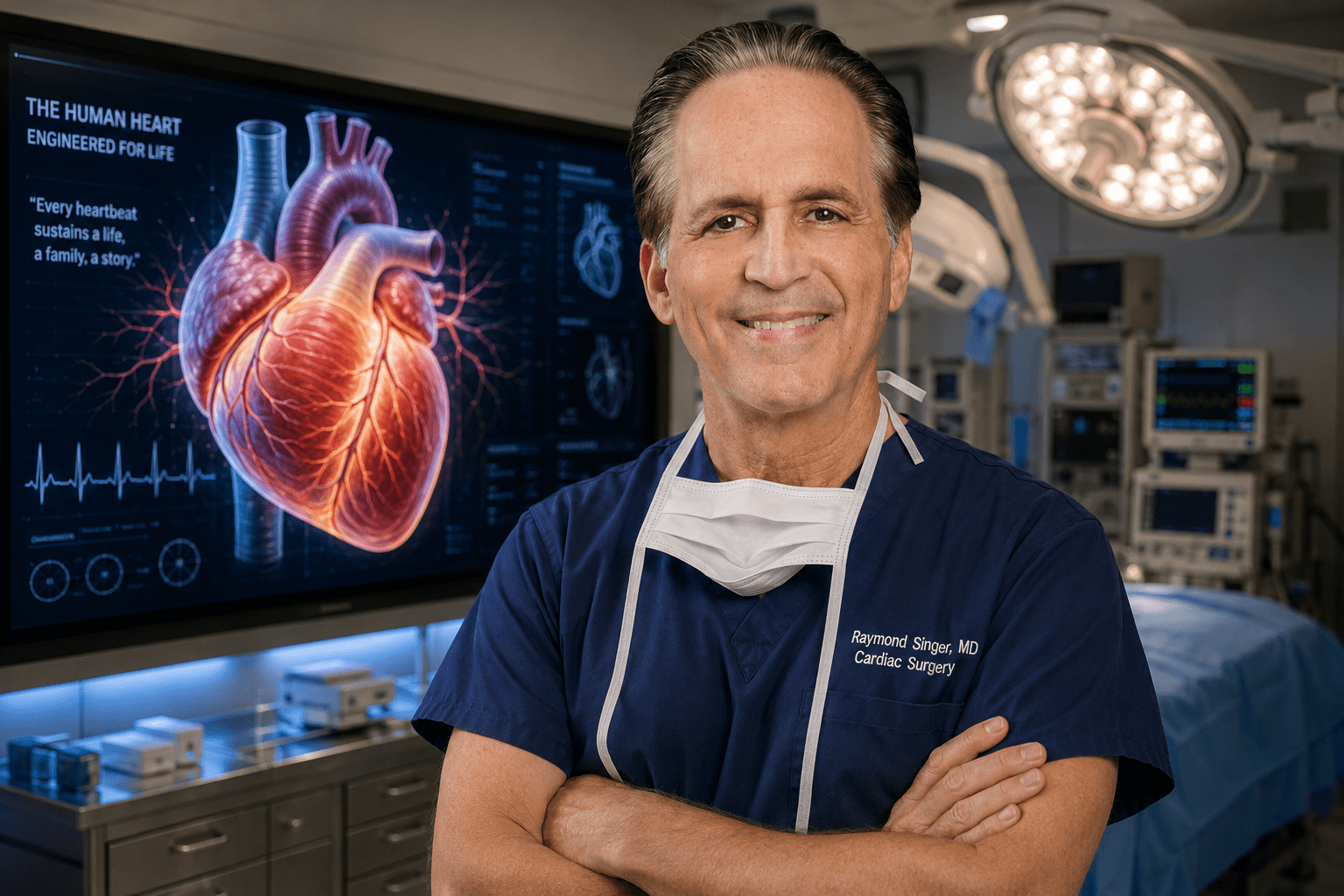
Interested in my book? You can buy it on Amazon!
(𝘛𝘩𝘦 𝘷𝘪𝘦𝘸𝘴 𝘦𝘹𝘱𝘳𝘦𝘴𝘴𝘦𝘥 𝘪𝘯 𝘮𝘺 𝘱𝘰𝘴𝘵𝘴 𝘢𝘳𝘦 𝘮𝘺 𝘰𝘸𝘯 𝘢𝘯𝘥 𝘥𝘰 𝘯𝘰𝘵 𝘳𝘦𝘱𝘳𝘦𝘴𝘦𝘯𝘵 𝘵𝘩𝘦 𝘷𝘪𝘦𝘸𝘴 𝘰𝘧 𝘮𝘺 𝘦𝘮𝘱𝘭𝘰𝘺𝘦𝘳 𝘰𝘳 𝘢𝘯𝘺 𝘰𝘳𝘨𝘢𝘯𝘪𝘻𝘢𝘵𝘪𝘰𝘯.)
Recent Posts
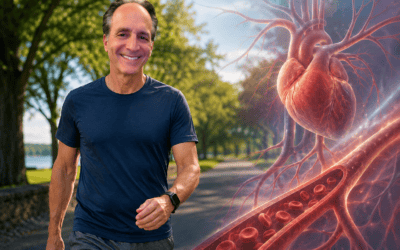
Your Heart Was Made to Move
What is the best exercise for your heart? There isn’t just one answer. Dr. Raymond Singer explains how aerobic exercise, strength training, flexibility, balance, and simple daily movement can all support cardiovascular health.

Can Sleep Affect Your Waistline?
We often think about diet and exercise when we talk about maintaining a healthy weight. But there may be a third piece of the puzzle: sleep. Dr. Raymond Singer explores how insufficient sleep can affect hunger, metabolism, cravings, abdominal fat, and cardiovascular health.
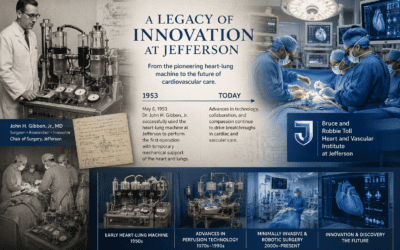
The Heart-Lung Machine: A Jefferson Legacy That Changed Medicine
More than 70 years ago, Jefferson surgeon and researcher John H. Gibbon Jr. helped make what once seemed impossible a reality: temporarily replacing the functions of the heart and lungs with a machine so surgeons could operate on a stopped heart.
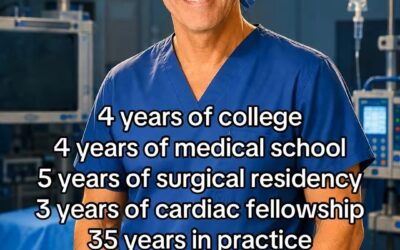
50 Years Later: A Journey Home
As I prepare for my 50th high school reunion, I find myself reflecting on a journey that has taken me from Cheltenham to college, medical school, surgical training, decades of practice, and ultimately back home to care for the community where it all began.
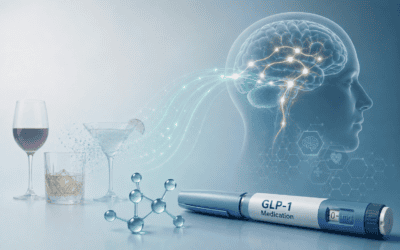
GLP-1 Medications and Alcohol: Can They Reduce Cravings?
Emerging research suggests GLP-1 medications may do more than help with weight loss. They may also reduce alcohol cravings by influencing the brain’s reward pathways.
Heart Symptoms You Should Never Ignore
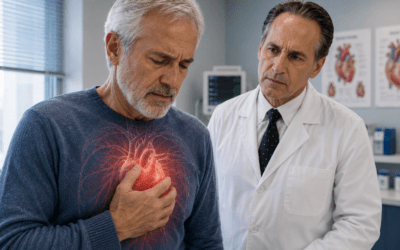
Not every symptom means heart disease, but some warning signs should never be ignored. Dr. Raymond Singer shares five important symptoms that deserve prompt medical evaluation and explains when it’s time to call 911.
Featured
Pages
- Learn about heart valves. Heart Valves
- Read testimonials. Testimonials
- Did you know I have a consulting firm? Singer Heart/Lung Consulting
- Check out my TedTalk! Defining Success
Links
- Links page with more information about your heart. Links
- Dr. Adam Pick's Site: heart-valve-surgery.com