One of the questions I think people underestimate when it comes to heart health is the impact of chronic stress.
Most people think heart health is only about cholesterol, smoking, blood pressure, genetics, and those factors are very important. We talk about them all the time. But what many people fail to realize is that the human body was never designed to live in a constant state of stress the way we’re increasingly seeing today.
Stress itself is not the enemy. In short bursts, stress can actually help us survive. It increases alertness, raises adrenaline levels, and prepares our bodies to respond to danger. We call this the fight-or-flight response.
The problem is that modern life has turned stress into a nonstop condition. There are financial pressures, lack of sleep, work demands, social isolation, constant notifications on our phones, relationship struggles, caregiving responsibilities, and a general sense of fear and uncertainty about the world.
When stress becomes chronic, the body begins producing elevated levels of stress hormones such as cortisol and adrenaline for prolonged periods. Over time, this can significantly raise blood pressure, increase inflammation, worsen diabetes, disrupt sleep, contribute to weight gain, and even accelerate plaque buildup in the arteries.
As a heart surgeon, I’ve cared for many patients who seem to have done everything right. They’ve exercised, avoided smoking, maintained a reasonable weight, and have no strong family history of heart disease. Yet they still develop significant cardiovascular problems.
Sometimes chronic stress may be the missing piece of the puzzle.
Stress also changes behavior, often without people realizing it. Sleep suffers. Exercise decreases. Eating habits worsen. People may drink more alcohol and neglect their medical care because they feel too busy.
In many ways, stress amplifies existing risk factors, and the heart feels the consequences.
Stress can contribute to irregular heart rhythms such as atrial fibrillation. It can worsen chest pain, increase the risk of heart attacks, and in some cases even contribute to sudden death. There is also a condition called stress-induced cardiomyopathy, commonly known as “broken heart syndrome,” or by its medical name, Takotsubo syndrome. Severe emotional stress can directly impair and damage the heart muscle itself.
But here’s the important part to understand: managing stress does not mean eliminating every difficulty from your life. That’s simply impossible.
What it does mean is learning how to recover from stress.
Sleep matters. Exercise matters. Relationships matter. Having purpose matters. For some people, faith matters. Quiet moments matter. And perhaps most of all, laughter matters.
Sometimes the healthiest thing you can do for your heart isn’t another medication or another test. Sometimes it’s slowing down long enough to care for your mind and emotional well-being.
And for those of us in healthcare, this applies to us too.
We spend our lives caring for others, but we also have to remember to take care of ourselves.
Protecting the heart isn’t only about prolonging life. It’s about preserving the quality of the life we’re living right now.
Interested in my book? You can buy it on Amazon!
(𝘛𝘩𝘦 𝘷𝘪𝘦𝘸𝘴 𝘦𝘹𝘱𝘳𝘦𝘴𝘴𝘦𝘥 𝘪𝘯 𝘮𝘺 𝘱𝘰𝘴𝘵𝘴 𝘢𝘳𝘦 𝘮𝘺 𝘰𝘸𝘯 𝘢𝘯𝘥 𝘥𝘰 𝘯𝘰𝘵 𝘳𝘦𝘱𝘳𝘦𝘴𝘦𝘯𝘵 𝘵𝘩𝘦 𝘷𝘪𝘦𝘸𝘴 𝘰𝘧 𝘮𝘺 𝘦𝘮𝘱𝘭𝘰𝘺𝘦𝘳 𝘰𝘳 𝘢𝘯𝘺 𝘰𝘳𝘨𝘢𝘯𝘪𝘻𝘢𝘵𝘪𝘰𝘯.)
Recent Posts
The Power of Culture in Healthcare: Why Great Teams Deliver Better Care
In healthcare, metrics tell only part of the story. The culture behind a program shapes how people communicate, collaborate, hold one another accountable, and ultimately care for patients.

A Tiny Heart Tumor, a Stroke, and a Remarkable Recovery
After suffering a stroke with no clear source, Tayshia Hatcher was found to have a small tumor on her aortic valve. Surgeons removed the benign tumor, preserved her valve, and helped identify what was likely the source of her stroke. Six weeks after surgery, Tayshia reported no pain and no lasting effects from her stroke.

When Open Heart Surgery Is the Best Option
At 82 years old, Rachel Leister underwent triple valve open heart surgery after severe aortic and mitral valve stenosis caused significant shortness of breath. Six weeks later, she is pain-free, feeling great, and ready to get back to walking outdoors.
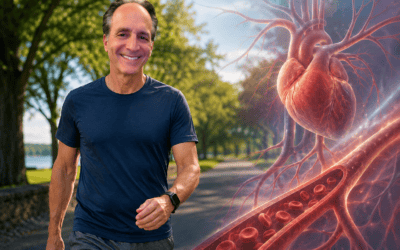
Your Heart Was Made to Move
What is the best exercise for your heart? There isn’t just one answer. Dr. Raymond Singer explains how aerobic exercise, strength training, flexibility, balance, and simple daily movement can all support cardiovascular health.
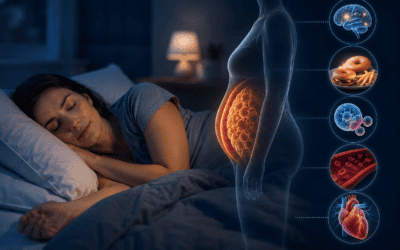
Can Sleep Affect Your Waistline?
We often think about diet and exercise when we talk about maintaining a healthy weight. But there may be a third piece of the puzzle: sleep. Dr. Raymond Singer explores how insufficient sleep can affect hunger, metabolism, cravings, abdominal fat, and cardiovascular health.
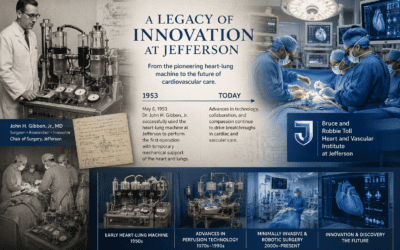
The Heart-Lung Machine: A Jefferson Legacy That Changed Medicine
More than 70 years ago, Jefferson surgeon and researcher John H. Gibbon Jr. helped make what once seemed impossible a reality: temporarily replacing the functions of the heart and lungs with a machine so surgeons could operate on a stopped heart.
Featured
Pages
- Learn about heart valves. Heart Valves
- Read testimonials. Testimonials
- Did you know I have a consulting firm? Singer Heart/Lung Consulting
- Check out my TedTalk! Defining Success
Links
- Links page with more information about your heart. Links
- Dr. Adam Pick's Site: heart-valve-surgery.com