Listen When Your Heart Is Trying to Tell You Something
Many heart conditions develop gradually, and the body often sends warning signs before a serious event occurs. While not every symptom points to heart disease, recognizing the right symptoms and seeking medical attention promptly can make a life-saving difference.
Here are five heart symptoms you should never ignore.
1. Chest Pressure or Tightness
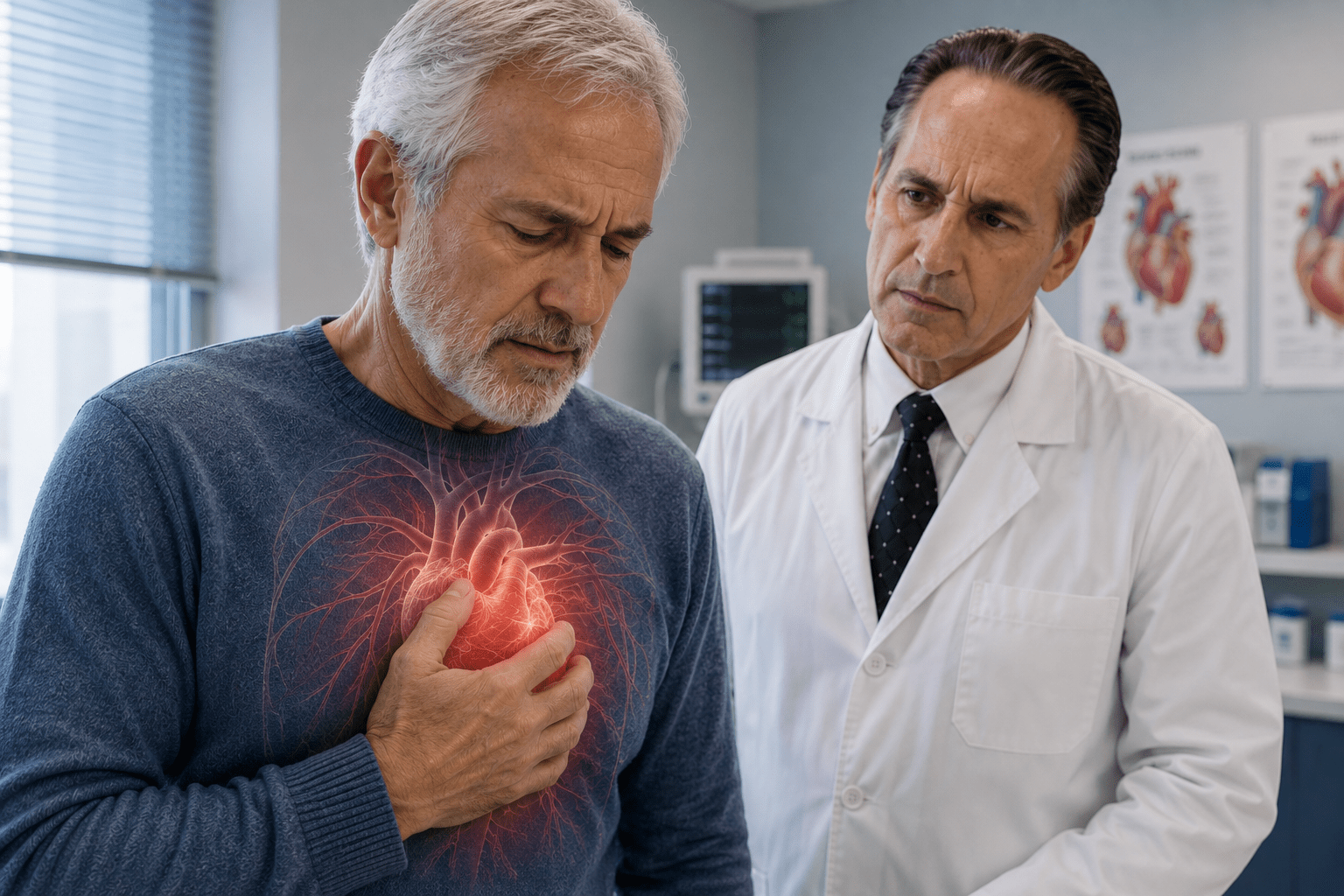
Chest pressure, heaviness, squeezing, or tightness, especially during physical activity or emotional stress, deserves immediate attention. Although many people assume this feeling is simply heartburn or indigestion, it can be an early warning sign of reduced blood flow to the heart.
2. New or Worsening Shortness of Breath
If climbing stairs, walking short distances, or performing everyday activities suddenly becomes more difficult because you’re short of breath, your heart may not be pumping efficiently. A noticeable change in your breathing should always be discussed with your healthcare provider.
3. Passing Out or Feeling Like You Might Pass Out
Fainting or feeling as though you’re about to lose consciousness has many possible causes, but certain heart rhythm problems and structural heart conditions can present this way. Episodes of unexplained fainting warrant prompt medical evaluation.
4. A Sudden Decline in Exercise Tolerance
If activities you easily performed a few weeks or months ago now leave you exhausted or unable to continue, don’t dismiss the change as simply getting older. A sudden reduction in stamina can sometimes signal an underlying cardiac problem.
5. Pain That Spreads Beyond the Chest
Heart-related discomfort doesn’t always stay in the chest. Pain may radiate to the jaw, neck, shoulder, arm, back, or even the upper abdomen. When this discomfort occurs with physical exertion or is accompanied by sweating, nausea, or shortness of breath, it should be evaluated immediately.
Know When Every Minute Counts
These symptoms do not automatically mean you have heart disease. However, they should never be ignored. Early diagnosis and treatment often lead to better outcomes.
If you experience severe chest pain, difficulty breathing, or believe you may be having a heart attack, call 911 immediately. Do not attempt to drive yourself to the hospital or wait to see if the symptoms improve.
Your heart often provides warning signs before a major event. Paying attention to those signals and acting quickly could save your life.
Interested in my book? You can buy it on Amazon!
(𝘛𝘩𝘦 𝘷𝘪𝘦𝘸𝘴 𝘦𝘹𝘱𝘳𝘦𝘴𝘴𝘦𝘥 𝘪𝘯 𝘮𝘺 𝘱𝘰𝘴𝘵𝘴 𝘢𝘳𝘦 𝘮𝘺 𝘰𝘸𝘯 𝘢𝘯𝘥 𝘥𝘰 𝘯𝘰𝘵 𝘳𝘦𝘱𝘳𝘦𝘴𝘦𝘯𝘵 𝘵𝘩𝘦 𝘷𝘪𝘦𝘸𝘴 𝘰𝘧 𝘮𝘺 𝘦𝘮𝘱𝘭𝘰𝘺𝘦𝘳 𝘰𝘳 𝘢𝘯𝘺 𝘰𝘳𝘨𝘢𝘯𝘪𝘻𝘢𝘵𝘪𝘰𝘯.)
Recent Posts
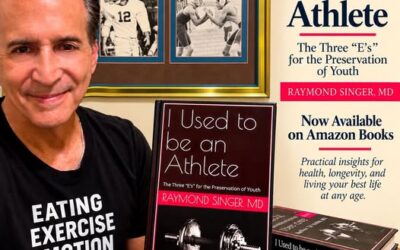
It’s Never Too Late to Invest in Your Health
You don’t need to be an athlete or 25 to invest in your health. Discover why movement, emotional well-being, and purpose matter at every age.
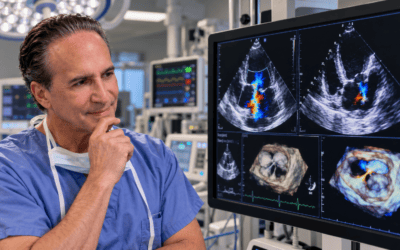
Two Valves Repaired: Seeing the Heart Work Better
A cardiac surgeon explains the repair of two severely leaking heart valves, including what the echocardiogram showed before and after surgery.
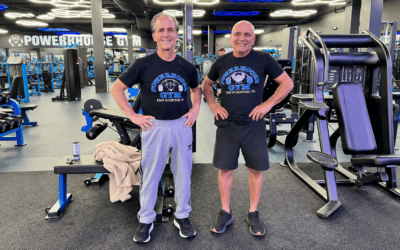
73 Years Young: Strength Has No Age Limit
At 73, Joseph Lisa is still getting stronger. Discover why age doesn’t have to define our limits and why staying active matters for a longer, healthier life.

Should We Be Afraid of AI?
Should we be afraid of AI? Dr. Scott Silverstein, a pioneer in medical informatics, shares why human judgment, experience, and responsible innovation matter more than ever.

Extraordinary Care Around the Clock
While most of us are sleeping, the cardiac surgery night crew at Jefferson Einstein Montgomery Hospital is working tirelessly to keep patients safe, supported, and cared for. Their dedication, compassion, and teamwork make extraordinary care possible around the clock.

Not Every Patient With Aortic Stenosis Is Best Served by the Least Invasive Approach
Not every patient with aortic stenosis is best served by the least invasive approach. For this 68-year-old patient, severe aortic stenosis and critical coronary artery disease made surgical valve replacement and CABG the right choice.
Featured
Pages
- Learn about heart valves. Heart Valves
- Read testimonials. Testimonials
- Did you know I have a consulting firm? Singer Heart/Lung Consulting
- Check out my TedTalk! Defining Success
Links
- Links page with more information about your heart. Links
- Dr. Adam Pick's Site: heart-valve-surgery.com