Coumadin vs Newer Blood Thinners

Coumadin vs newer blood thinners… what’s the difference, and why does it matter for heart patients?

From atrial fibrillation to artificial heart valves, choosing the right anticoagulant can literally save lives. Understanding these medications is critical for both safety and stroke prevention.

CLICK HERE FOR THE ENTIRE TRANSCRIPT


Transcript

Let’s talk about blood thinners. When people hear the term “blood thinner,” many immediately think of Coumadin, also known as warfarin. In this discussion, I’ll refer to it simply as Coumadin. They are the same medication.

For decades, Coumadin has been the gold standard anticoagulant for heart patients. Today, however, several newer medications have changed how we manage blood clots, stroke prevention, and valvular heart disease.

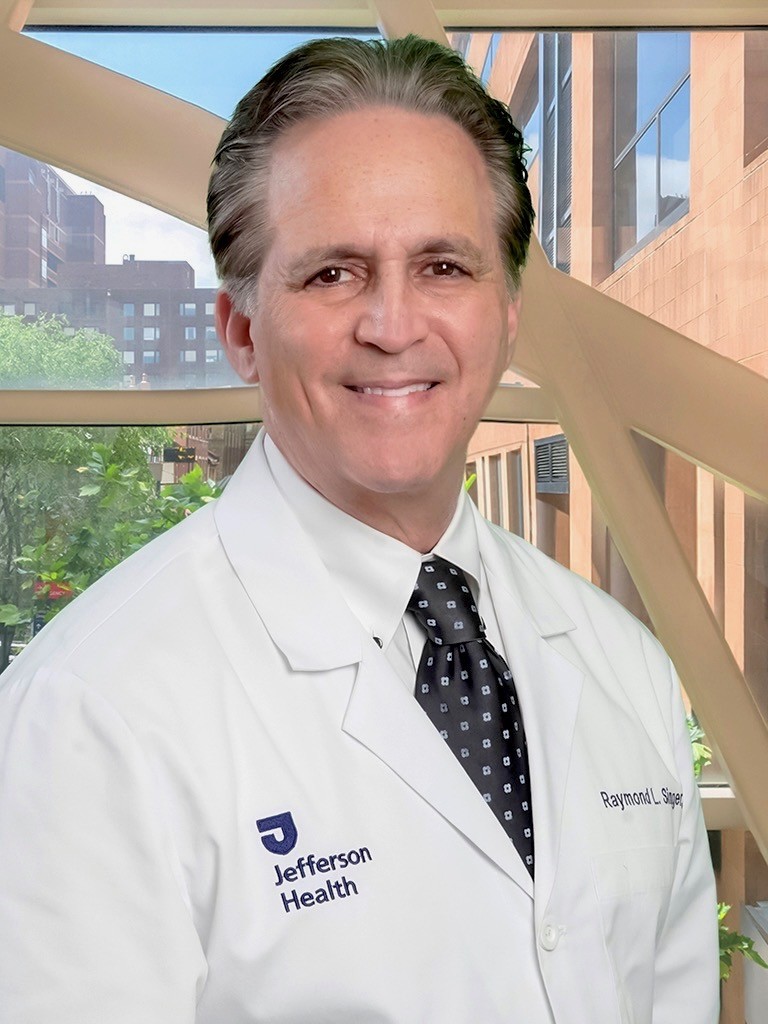
I’m Dr. Raymond Singer, a cardiac surgeon, and I want to explain the differences between Coumadin and the newer anticoagulants, as well as the difference between anticoagulants and antiplatelet medications.

Anticoagulants are medications designed to reduce the blood’s ability to form dangerous clots. In cardiology and cardiac surgery, they are used for conditions such as:

  • Atrial fibrillation
  • Artificial heart valves
  • Deep vein thrombosis (DVT)
  • Pulmonary embolism
  • Certain cardiac procedures

Coumadin (Warfarin)

Coumadin has been around since the 1950s. It works very well, but it comes with challenges.

Patients taking Coumadin require regular blood testing called an INR (International Normalized Ratio). This testing ensures the blood is not “too thin” or “too thick,” and that it stays within a safe range.

Diet also matters. Foods high in vitamin K, such as spinach and kale, can affect how Coumadin works. Coumadin can also interact with many other medications, including antibiotics, so patients need to check with their doctor before starting new medications.

Despite these inconveniences, Coumadin remains extremely important. For patients with mechanical heart valves, it is still the standard of care. The newer anticoagulants generally are not approved for mechanical heart valve patients.

Newer Anticoagulants (DOACs)

Over the last decade, newer medications called DOACs (Direct Oral Anticoagulants) have become very popular. These include:

  • Eliquis
  • Xarelto
  • Pradaxa
  • Savaysa

These medications offer several advantages:

  • No routine blood testing or INR monitoring
  • Fewer dietary restrictions
  • Fewer drug interactions
  • More predictable dosing

Studies have also shown lower rates of certain bleeding complications, especially bleeding into the brain.

For many patients with atrial fibrillation who do not have mechanical heart valves, these newer medications are now preferred over Coumadin because they are simpler to take and often safer to manage.

Trade-Offs of Newer Medications

There are still some downsides to DOACs:

  • Coumadin has decades of long-term experience behind it
  • Newer agents are often more expensive
  • Some patients with kidney disease cannot safely take certain DOACs
  • Reversal during emergency bleeding situations can be more complicated and costly

Anticoagulants vs. Antiplatelet Medications

An important point is that not all “blood thinners” are the same.

Many patients confuse anticoagulants, such as Coumadin or Eliquis, with antiplatelet medications such as aspirin or Plavix.

  • Anticoagulants: Coumadin, Eliquis
    → prevent clot formation
  • Antiplatelet medications: Aspirin, Plavix
    → prevent platelets from sticking together

Some patients require both types of medications, especially after certain cardiac procedures or stent placements. Managing both together is more complicated and increases bleeding risk.

Choosing the Right Medication

The decision about which medication to use depends on many factors, including:

  • The patient’s medical condition
  • Age
  • Kidney function
  • Bleeding risk
  • Presence of mechanical heart valves

At the end of the day, these medications save lives. They reduce the risk of stroke, prevent dangerous blood clots, and protect cardiac patients from serious complications.

However, they require understanding, education, and close follow-up.

Important Warning

If you are taking a blood thinner, never stop it on your own without speaking to your physician first. The consequences can be catastrophic.

Remember:

  • Anticoagulants: Coumadin, Eliquis
  • Antiplatelets: Aspirin, Plavix

Always talk to your doctor.

— Dr. Raymond Singer


Interested in my book? You can buy it on Amazon!

(𝘛𝘩𝘦 𝘷𝘪𝘦𝘸𝘴 𝘦𝘹𝘱𝘳𝘦𝘴𝘴𝘦𝘥 𝘪𝘯 𝘮𝘺 𝘱𝘰𝘴𝘵𝘴 𝘢𝘳𝘦 𝘮𝘺 𝘰𝘸𝘯 𝘢𝘯𝘥 𝘥𝘰 𝘯𝘰𝘵 𝘳𝘦𝘱𝘳𝘦𝘴𝘦𝘯𝘵 𝘵𝘩𝘦 𝘷𝘪𝘦𝘸𝘴 𝘰𝘧 𝘮𝘺 𝘦𝘮𝘱𝘭𝘰𝘺𝘦𝘳 𝘰𝘳 𝘢𝘯𝘺 𝘰𝘳𝘨𝘢𝘯𝘪𝘻𝘢𝘵𝘪𝘰𝘯.)

Recent Posts

Obstructive Sleep Apnea

Obstructive Sleep Apnea

Many people think obstructive sleep apnea is simply a nuisance because of loud snoring, but it can have serious consequences for heart health. Repeated interruptions in breathing place tremendous stress on the cardiovascular system and may increase the risk of high blood pressure, atrial fibrillation, heart failure, stroke, and heart attack. Learn the warning signs, risks, and treatment options that can improve both sleep quality and long-term health.

read more
What Keeps a Cardiac Surgeon Going

What Keeps a Cardiac Surgeon Going

After 35 years in cardiac surgery and more than 8,500 operations, Dr. Raymond Singer shares a candid reflection on the challenges, sacrifices, and rewards of a career dedicated to saving lives. From long nights in the operating room to the extraordinary teams that make successful outcomes possible, this personal message offers a powerful look at the human side of medicine.

read more
What Is a Heart Murmur?

What Is a Heart Murmur?

Dr. Raymond Singer explains what a heart murmur is, why some murmurs are harmless, and how an echocardiogram can help determine whether a murmur is related to a heart valve problem.

read more
Leapfrog “A” Hospital Safety Grade

Leapfrog “A” Hospital Safety Grade

Jefferson Einstein Montgomery Hospital has once again earned a Leapfrog “A” Hospital Safety Grade, continuing its tradition of excellence in patient safety and quality care. This recognition reflects the dedication of physicians, nurses, advanced practice providers, technicians, therapists, and support staff who work together every day to provide the highest standard of care for our patients.

read more
GLP-1 Medications

GLP-1 Medications

I'm Dr. Raymond Singer, and today I want to talk to you about the new GLP-1 medications, drugs like semaglutide and terzepatide, and why they have become one of the most important advances in preventing heart disease. Now before I get started, I want to provide you...

read more

Featured

Pages

Questions? Comments?
Reach out to me here:

15 + 2 =

About The Author

Leave a reply

Your email address will not be published. Required fields are marked *

Dr. Raymond Singer

Dr. Singer has been in practice since 1992 and has, to date, performed over 8,351 surgeries. His practice interests include complex valve, coronary and aneurysm surgery, as well as prevention and treatment of lung cancer.


2023 Top Doc

2023 Top Doc


TikTok