The answer is actually very simple. I’ve always loved teaching, and I enjoy educating.
Long before TikTok, LinkedIn, or Facebook existed, I was a writer. Over the years, I’ve published more than 65 newspaper op-eds on important medical topics because I believe patients deserve clear, understandable information, not just medical jargon.
As a cardiac surgeon, like all physicians, I spend my days caring for one patient at a time. That is an incredible privilege, but social media has given me the opportunity to educate thousands of people at once.
If just one video encourages someone to quit smoking, recognize the symptoms of a heart attack, seek treatment for valvular heart disease, ask better questions during a doctor’s appointment, or simply take better care of themselves, then I feel every minute has been worthwhile.
I also understand that not everyone agrees with physicians being on social media. Some colleagues worry about professionalism, oversimplification, or self-promotion. Those are valid concerns, and I respect them.
For me, that’s exactly why physicians who use social media must do it the right way.
My goal has never been to sensationalize medicine or seek attention. My goal is to educate, inspire, share the incredible work performed every day by healthcare professionals, and help patients better understand their own health.
Whenever I share a patient’s story, it is only with that patient’s permission and with complete respect for their privacy and dignity.
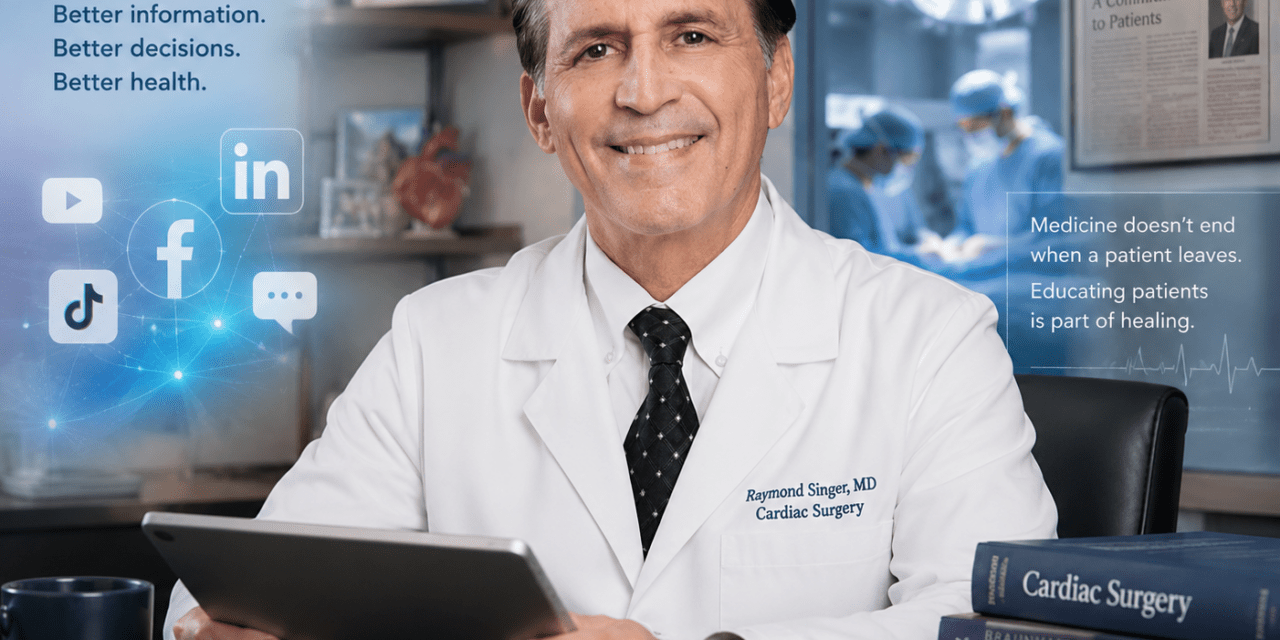
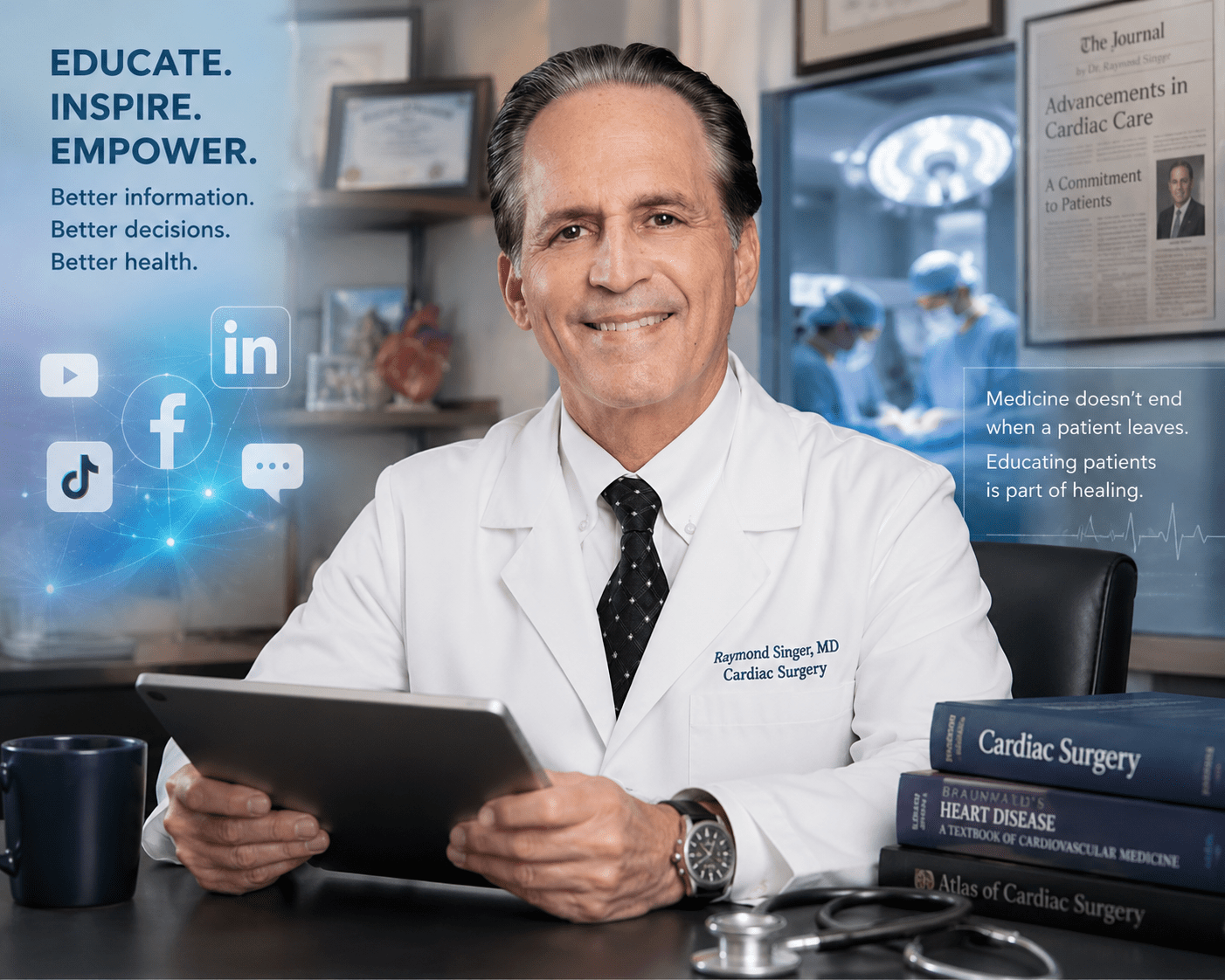
Medicine doesn’t end when a patient leaves the office or operating room. Educating patients is part of healing. The more people understand their health, the better decisions they can make.
If I can use modern technology to reach people with accurate, compassionate, evidence-based information, then I believe that’s simply an extension of my responsibility as a physician.
At the end of the day, I’m still the same teacher I’ve always been.
Social media is simply today’s classroom.
If somewhere out there, one person lives a healthier or longer life because of something they learned from one of my videos, then every minute spent creating that content has been worthwhile.
Interested in my book? You can buy it on Amazon!
(𝘛𝘩𝘦 𝘷𝘪𝘦𝘸𝘴 𝘦𝘹𝘱𝘳𝘦𝘴𝘴𝘦𝘥 𝘪𝘯 𝘮𝘺 𝘱𝘰𝘴𝘵𝘴 𝘢𝘳𝘦 𝘮𝘺 𝘰𝘸𝘯 𝘢𝘯𝘥 𝘥𝘰 𝘯𝘰𝘵 𝘳𝘦𝘱𝘳𝘦𝘴𝘦𝘯𝘵 𝘵𝘩𝘦 𝘷𝘪𝘦𝘸𝘴 𝘰𝘧 𝘮𝘺 𝘦𝘮𝘱𝘭𝘰𝘺𝘦𝘳 𝘰𝘳 𝘢𝘯𝘺 𝘰𝘳𝘨𝘢𝘯𝘪𝘻𝘢𝘵𝘪𝘰𝘯.)
Recent Posts
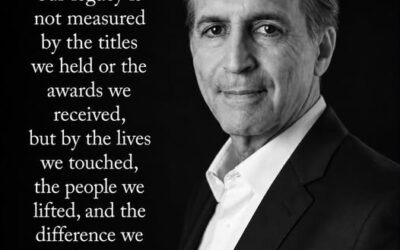
The Legacy We Leave Behind
Success is often measured by accomplishments, titles, and recognition, but the greatest legacy we leave is found in the lives we touch. Dr. Singer reflects on the enduring impact of compassion, mentorship, and service, reminding us that our influence extends far beyond our careers.
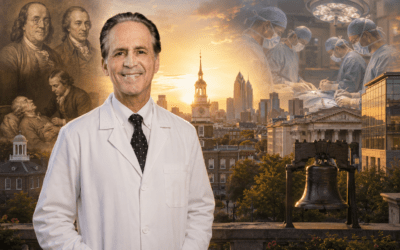
250 Years of Medicine
Philadelphia is known as the birthplace of American democracy, but it is also the birthplace of American medicine. Dr. Raymond Singer reflects on the physicians, hospitals, and medical institutions that transformed healthcare and continue to shape medicine 250 years later.

The Most Dangerous Emotion
Anger is more than an emotion. It places real physical stress on the heart, raising blood pressure, increasing stress hormones, and contributing to cardiovascular disease. Dr. Raymond Singer discusses the medical effects of chronic anger and why choosing kindness, patience, and compassion benefits both our emotional well-being and our hearts.
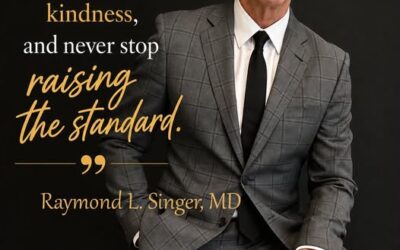
Leadership is About Standards
Leadership is not about titles. It is about standards. The best leaders don’t ask others to do what they are unwilling to do themselves. They set the tone through integrity, consistency, humility, and kindness. Every interaction, every decision, and every challenge...
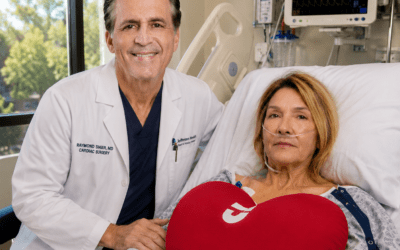
Stroke Survivor Shares Her Open Heart Surgery Recovery
After experiencing a stroke caused by tiny growths on her aortic valve, Tayshia underwent open heart surgery to prevent another stroke. Just eight hours later, she shares her experience, describing minimal pain, a successful valve repair, and renewed peace of mind.
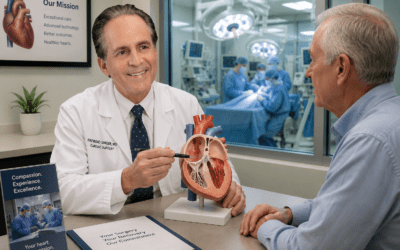
Understanding Modern Sternotomy
Many people fear that heart surgery means a large incision, severe pain, and a lengthy recovery. Dr. Raymond Singer explains how advances in surgical technique and pain management have made modern sternotomy safer, less painful, and faster to recover from than ever before.
Featured
Pages
- Learn about heart valves. Heart Valves
- Read testimonials. Testimonials
- Did you know I have a consulting firm? Singer Heart/Lung Consulting
- Check out my TedTalk! Defining Success
Links
- Links page with more information about your heart. Links
- Dr. Adam Pick's Site: heart-valve-surgery.com