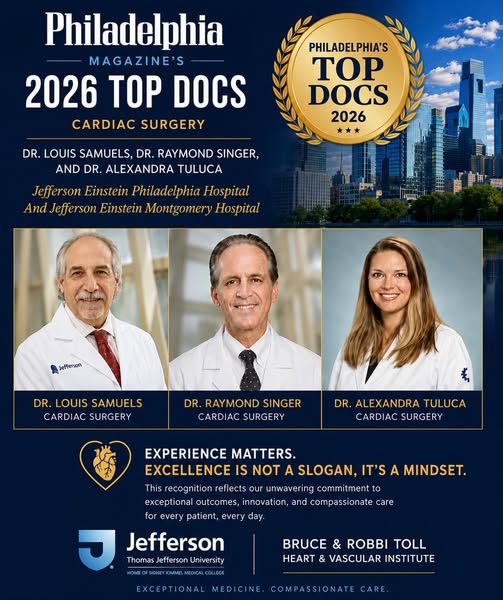
This weekend, America celebrates her 250th birthday.
When most people think of my hometown of Philadelphia and its impact on the founding of our nation, they naturally think of the Declaration of Independence, the Constitution, and the Liberty Bell.
But there is something many people do not realize.
At the very same time Philadelphia was helping to invent democracy, it was also inventing American medicine.
In many ways, the history of our nation and the history of American medicine were written on the very same streets.
It began in 1751 with Pennsylvania Hospital, founded by Benjamin Franklin and physician Thomas Bond. It became the first hospital in the United States.
Just a few years later came America’s first medical school, now known as the Perelman School of Medicine at the University of Pennsylvania, where I had the privilege of attending medical school.
The development of that first medical school forever changed how physicians would be educated throughout our country.
Then there was Dr. Benjamin Rush, a signer of the Declaration of Independence and often called the father of American psychiatry. His influence extended far beyond mental health.
Dr. Rush believed physicians had a responsibility not only to heal disease but also to improve society itself. I love that philosophy.
His passion for medical education helped shape generations of American physicians, and his influence continues today.
Philadelphia also gave birth to the College of Physicians of Philadelphia, America’s oldest private medical society, founded in 1787.
For nearly two and a half centuries, it has advanced science, ethics, education, and patient care. I am deeply honored to be a Fellow of this remarkable institution.
Throughout the nineteenth and twentieth centuries, Philadelphia became a world leader in surgery, anesthesia, pathology, neurology, pediatrics, transplantation, trauma care, and, of course, cardiovascular medicine.
Pioneers such as Samuel D. Gross, Thomas Dent Mütter, John H. Gibbon Jr., along with many other innovators throughout the city’s academic medical centers, including my former professor Jonathan E. Rhodes at Penn and today my colleague and partner Dr. Joseph E. Bavaria at Jefferson, helped transform medicine from an art into a science.
Today, institutions such as Thomas Jefferson University, Penn Medicine, Temple University, Children’s Hospital of Philadelphia, and many others continue that extraordinary tradition of innovation, research, education, and compassionate patient care inspired by these great leaders.
As someone privileged to perform heart surgery at the Bruce and Robbi Toll Heart and Vascular Institute at Jefferson Health, I often think about the physicians who walked these same streets 200 and even 250 years ago.
The instruments have changed.
The technology has changed.
The operating rooms would be almost unrecognizable to them.
But one thing has never changed.
The calling to ease suffering, comfort families, push the boundaries of science, and above all else, care for another human being during their most vulnerable moments.
As America celebrates 250 years of freedom, we should also celebrate 250 years of medical innovation that has saved countless millions of lives.
And it all began right here in my hometown of Philadelphia.
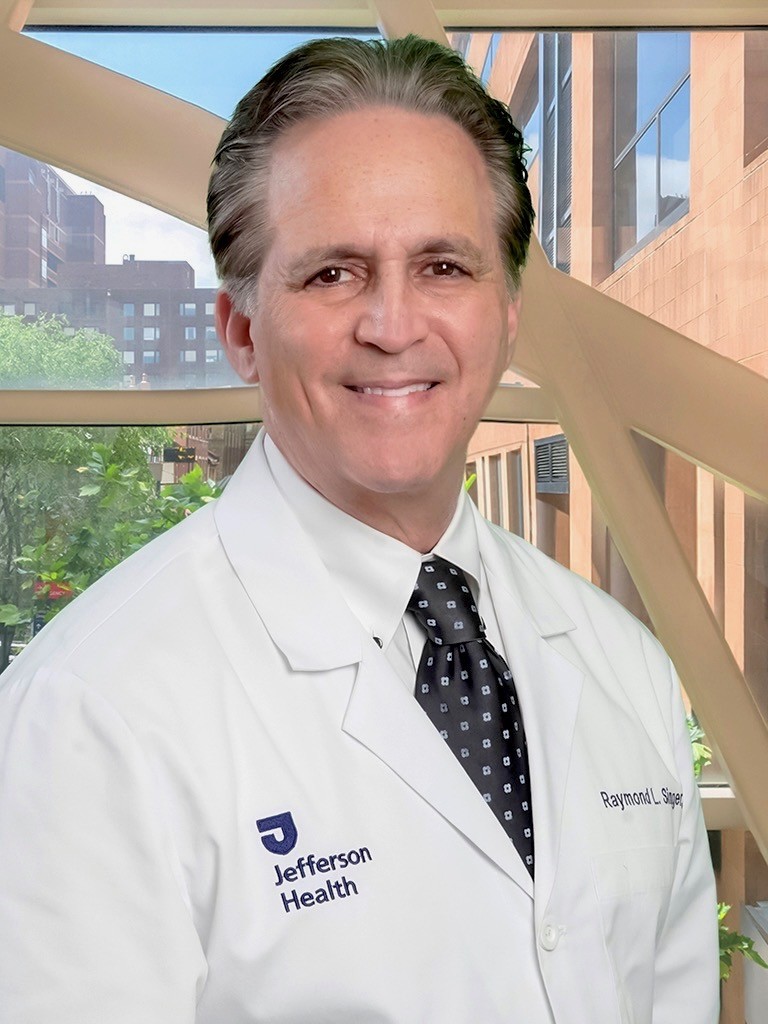
I’m Dr. Raymond Singer. Remember, every heartbeat tells a story. Make yours a great one.
Interested in my book? You can buy it on Amazon!
(𝘛𝘩𝘦 𝘷𝘪𝘦𝘸𝘴 𝘦𝘹𝘱𝘳𝘦𝘴𝘴𝘦𝘥 𝘪𝘯 𝘮𝘺 𝘱𝘰𝘴𝘵𝘴 𝘢𝘳𝘦 𝘮𝘺 𝘰𝘸𝘯 𝘢𝘯𝘥 𝘥𝘰 𝘯𝘰𝘵 𝘳𝘦𝘱𝘳𝘦𝘴𝘦𝘯𝘵 𝘵𝘩𝘦 𝘷𝘪𝘦𝘸𝘴 𝘰𝘧 𝘮𝘺 𝘦𝘮𝘱𝘭𝘰𝘺𝘦𝘳 𝘰𝘳 𝘢𝘯𝘺 𝘰𝘳𝘨𝘢𝘯𝘪𝘻𝘢𝘵𝘪𝘰𝘯.)
Recent Posts
The Power of Culture in Healthcare: Why Great Teams Deliver Better Care
In healthcare, metrics tell only part of the story. The culture behind a program shapes how people communicate, collaborate, hold one another accountable, and ultimately care for patients.
A Tiny Heart Tumor, a Stroke, and a Remarkable Recovery
After suffering a stroke with no clear source, Tayshia Hatcher was found to have a small tumor on her aortic valve. Surgeons removed the benign tumor, preserved her valve, and helped identify what was likely the source of her stroke. Six weeks after surgery, Tayshia reported no pain and no lasting effects from her stroke.
When Open Heart Surgery Is the Best Option
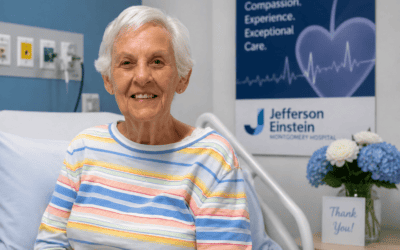
At 82 years old, Rachel Leister underwent triple valve open heart surgery after severe aortic and mitral valve stenosis caused significant shortness of breath. Six weeks later, she is pain-free, feeling great, and ready to get back to walking outdoors.
Your Heart Was Made to Move
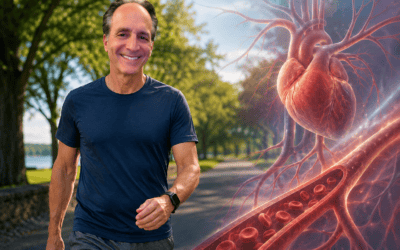
What is the best exercise for your heart? There isn’t just one answer. Dr. Raymond Singer explains how aerobic exercise, strength training, flexibility, balance, and simple daily movement can all support cardiovascular health.
Can Sleep Affect Your Waistline?
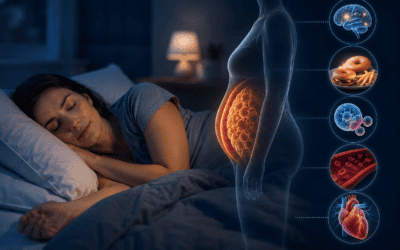
We often think about diet and exercise when we talk about maintaining a healthy weight. But there may be a third piece of the puzzle: sleep. Dr. Raymond Singer explores how insufficient sleep can affect hunger, metabolism, cravings, abdominal fat, and cardiovascular health.
The Heart-Lung Machine: A Jefferson Legacy That Changed Medicine
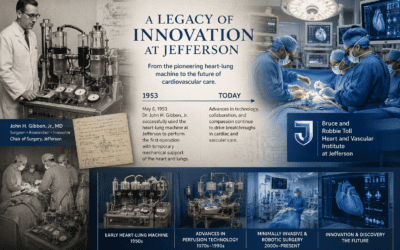
More than 70 years ago, Jefferson surgeon and researcher John H. Gibbon Jr. helped make what once seemed impossible a reality: temporarily replacing the functions of the heart and lungs with a machine so surgeons could operate on a stopped heart.
Featured
Pages
- Learn about heart valves. Heart Valves
- Read testimonials. Testimonials
- Did you know I have a consulting firm? Singer Heart/Lung Consulting
- Check out my TedTalk! Defining Success
Links
- Links page with more information about your heart. Links
- Dr. Adam Pick's Site: heart-valve-surgery.com