Atrial fibrillation is often described as either valvular AFib or nonvalvular AFib. AFib is considered valvular when seen in patients who have a heart valve disorder or a prosthetic heart valve in place. Nonvalvular AFib maybe caused by medical disorders such as high blood pressure, cardiomyopathy, or stress, to name a few.
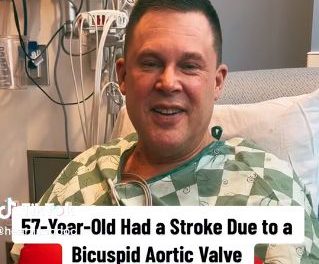
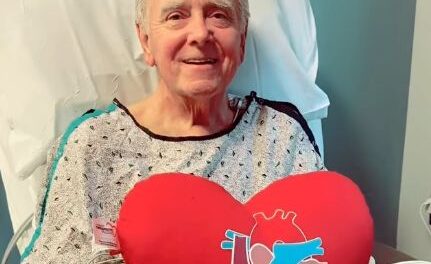
With written permission from the patient, this video discusses the complex scenario of triple valve heart disease associated with atrial fibrillation, of more than two years duration. The patient underwent successful, aortic valve replacement, mitral valve repair, tricuspid valve repair, Cox-Maze IV AFib ablation, and closure of an atrial septal defect. The Cox-Maze IV procedure includes placing an AtriCure left atrial clip to occlude the left atrial appendage and prevent future embolic strokes.
The patient is being discharged at home in normal sinus rhythm. Although the patient is in normal sinus rhythm and has occlusion of the left atrial appendage, we will resume his Eliquis for 3-6 months until it is confirmed that he remains in normal sinus rhythm.
Arguably, thanks to the successful occlusion of the left atrial appendage, he may not need anticoagulant therapy going forward, even if he develops atrial fibrillation again in the future.
Recent Posts

It’s Never Too Late to Invest in Your Health
You don’t need to be an athlete or 25 to invest in your health. Discover why movement, emotional well-being, and purpose matter at every age.
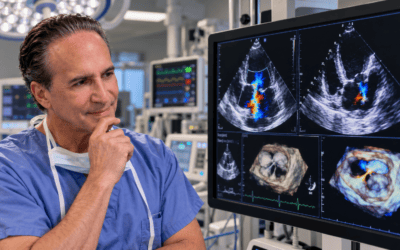
Two Valves Repaired: Seeing the Heart Work Better
A cardiac surgeon explains the repair of two severely leaking heart valves, including what the echocardiogram showed before and after surgery.
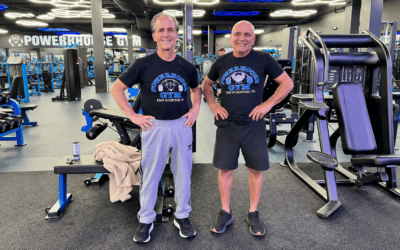
73 Years Young: Strength Has No Age Limit
At 73, Joseph Lisa is still getting stronger. Discover why age doesn’t have to define our limits and why staying active matters for a longer, healthier life.

Should We Be Afraid of AI?
Should we be afraid of AI? Dr. Scott Silverstein, a pioneer in medical informatics, shares why human judgment, experience, and responsible innovation matter more than ever.

Extraordinary Care Around the Clock
While most of us are sleeping, the cardiac surgery night crew at Jefferson Einstein Montgomery Hospital is working tirelessly to keep patients safe, supported, and cared for. Their dedication, compassion, and teamwork make extraordinary care possible around the clock.

Not Every Patient With Aortic Stenosis Is Best Served by the Least Invasive Approach
Not every patient with aortic stenosis is best served by the least invasive approach. For this 68-year-old patient, severe aortic stenosis and critical coronary artery disease made surgical valve replacement and CABG the right choice.
Featured
Pages
- Learn about heart valves. Heart Valves
- Read testimonials. Testimonials
- Did you know I have a consulting firm? Singer Heart/Lung Consulting
- Check out my TedTalk! Defining Success
Links
- Links page with more information about your heart. Links
- Dr. Adam Pick's Site: heart-valve-surgery.com