Patients often think of cardiac surgery in terms of the operation itself. They think about bypass surgery, valve repair, aortic aneurysms, or newer technologies such as robotics and TAVR procedures.
While those advances matter tremendously, the future of cardiac surgery should be about something much bigger: the patient experience.
For decades, especially during the early years of cardiac surgery, success was measured almost exclusively by whether a patient survived the operation. As surgical techniques improved, attention expanded to complications and quality metrics. Today, a more important question is being asked:
What was the patient’s journey like?
From the moment patients are told they need heart surgery, many experience fear and uncertainty. They worry about pain, recovery, their families, and whether they will ever return to a normal life.
Because of this, the responsibility of a heart surgeon extends far beyond the operating room.
It starts with listening.
Patients want to be heard. They want answers to their questions. They want honesty, transparency, and compassion. They want to know they are more than just another case on a schedule.
The patient experience begins with access to care. How quickly can a patient get an appointment? How easy is it to reach a physician? How effectively do cardiac surgeons communicate with referring doctors and family members?
Education is another critical component. Patients deserve to understand their condition, their treatment options, and what to expect before and after surgery.
Then comes the operation itself.
Advances in technology, minimally invasive techniques, enhanced recovery protocols, and improved pain management have transformed the surgical experience. Many patients are surprised to learn that modern cardiac surgery often involves less pain, faster recovery, and earlier discharge than ever before.
However, some of the most meaningful moments occur after surgery.
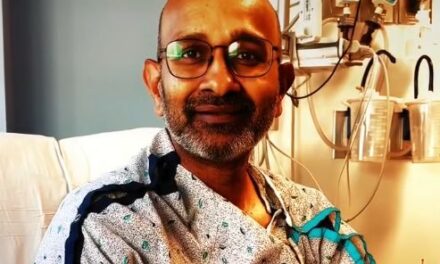
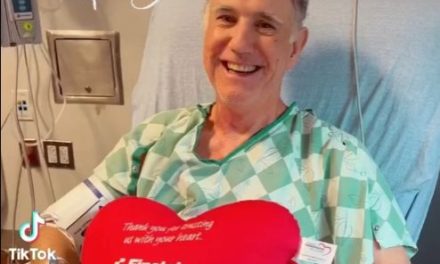
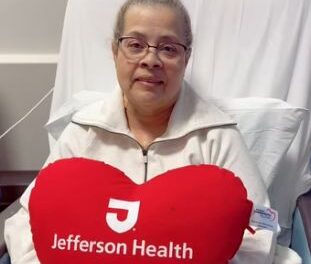
Patients remember how they were treated. They remember the nurse who held their hand when they were afraid. They remember the physician assistant or nurse practitioner who answered their questions in the middle of the night. They remember the physical therapist who encouraged them to take that first difficult walk. They remember whether the surgeon took the time to sit down, make eye contact, and reassure their family.
Outstanding patient experiences are not created by one person. They are created by an entire team working together toward a shared mission.
At the end of the day, great cardiac surgery is not just about fixing hearts.
It is about caring for the human being attached to that heart.
The best cardiac surgery programs of the future will not be measured solely by mortality rates or surgical volume. They will also be measured by trust, compassion, communication, empathy, and the experiences patients and families carry with them long after leaving the hospital.
Patients may not remember every technical detail of their operation, but they will never forget how they were made to feel.
I’m Dr. Raymond Singer, and I’ll see you next time.
Interested in my book? You can buy it on Amazon!
(𝘛𝘩𝘦 𝘷𝘪𝘦𝘸𝘴 𝘦𝘹𝘱𝘳𝘦𝘴𝘴𝘦𝘥 𝘪𝘯 𝘮𝘺 𝘱𝘰𝘴𝘵𝘴 𝘢𝘳𝘦 𝘮𝘺 𝘰𝘸𝘯 𝘢𝘯𝘥 𝘥𝘰 𝘯𝘰𝘵 𝘳𝘦𝘱𝘳𝘦𝘴𝘦𝘯𝘵 𝘵𝘩𝘦 𝘷𝘪𝘦𝘸𝘴 𝘰𝘧 𝘮𝘺 𝘦𝘮𝘱𝘭𝘰𝘺𝘦𝘳 𝘰𝘳 𝘢𝘯𝘺 𝘰𝘳𝘨𝘢𝘯𝘪𝘻𝘢𝘵𝘪𝘰𝘯.)
Recent Posts
Why Every Heart Surgery Patient Deserves a Second Opinion
Considering heart surgery? Dr. Raymond L. Singer explains why seeking a heart surgery second opinion can provide clarity, confidence, and peace of mind before treatmen
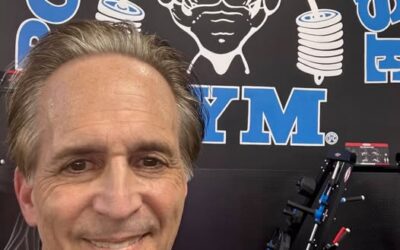
You’re Never Too Old to Build a Healthier Heart
Dr. Raymond L. Singer reminds us that healthy aging starts with showing up. No matter your age, every workout and healthy choice is an investment in your heart and your future.
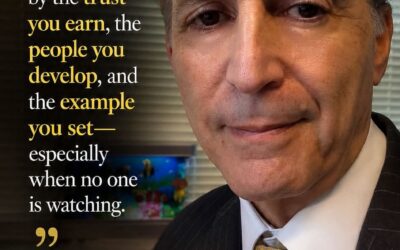
Leadership Is Measured by Trust, Not Titles
Leadership extends far beyond an organizational chart. The strongest leaders earn trust, serve others with humility, and leave a lasting legacy by helping people grow and succeed.

Cleaner Air Returns to the Philadelphia Region
After several days of unhealthy air from Canadian wildfire smoke, cleaner air has returned to the Philadelphia region. Dr. Raymond Singer explains why conditions have improved and what it means for your health.
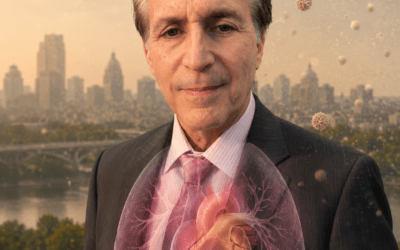
Wildfire Smoke Health Risks: Interview on CBS 21
Wildfire smoke contains tiny particles that can affect far more than your lungs. During a recent CBS 21 interview, Dr. Raymond Singer explained who faces the greatest risk and what simple steps can help protect your health.
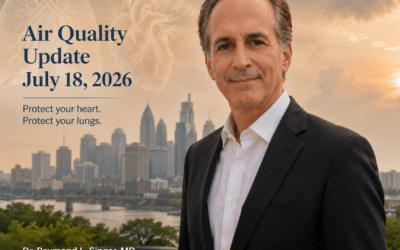
Air Quality Improving, But Health Risks Remain
Wildfire smoke continues to impact Pennsylvania, with Code Orange and Code Red air quality alerts still in effect. Dr. Raymond Singer explains the health risks, who is most vulnerable, and practical steps to protect yourself while conditions improve.
Featured
Pages
- Learn about heart valves. Heart Valves
- Read testimonials. Testimonials
- Did you know I have a consulting firm? Singer Heart/Lung Consulting
- Check out my TedTalk! Defining Success
Links
- Links page with more information about your heart. Links
- Dr. Adam Pick's Site: heart-valve-surgery.com