The term “minimally invasive” has become an often misunderstood and overused phrase in cardiac surgery. Many equate it with smaller incisions or robotic approaches. But the reality is that the incision is not always what makes a heart operation “invasive” —to me, it’s operating on the heart that is the invasive part of the procedure.
When performing complex “open-heart” surgery, such as mitral valve repair, the true invasiveness arises from the fact that the heart must be stopped, opened, and supported by a heart-lung machine. Once that step is necessary, the size or location of the incision may become a secondary consideration. 𝗪𝗵𝗮𝘁 𝘁𝗿𝘂𝗹𝘆 𝗺𝗮𝘁𝘁𝗲𝗿𝘀 𝗶𝘀 𝘀𝗮𝗳𝗲𝘁𝘆, 𝗲𝘅𝗽𝗼𝘀𝘂𝗿𝗲, 𝗽𝗿𝗲𝗰𝗶𝘀𝗶𝗼𝗻, 𝗮𝗻𝗱 𝗱𝘂𝗿𝗮𝗯𝗹𝗲 𝗹𝗼𝗻𝗴-𝘁𝗲𝗿𝗺 𝗼𝘂𝘁𝗰𝗼𝗺𝗲𝘀.
Moreover, despite the derisive phrase that refers to the conventional approach as “cracking the chest,” a median sternotomy remains the gold standard for most open-heart operations. It provides consistent exposure, control, and efficiency—and can now be made smaller, with less spreading, and yes, even with minimal or no postoperative pain. I’ve demonstrated this many times in my patient videos that can be found on my website and on social media.
To be clear, I have great respect, support, and admiration for my colleagues who are advancing less invasive and robotic techniques. But my cautionary belief remains that even as the safety and experience for these technologies improve, there are valid indications for offering traditional approaches for many patients. The key is to individualize care. There is not just one procedure fits all patients.
It’s also important to understand that even less invasive procedures have risks. For example, potential risks specific to less-invasive mitral valve repair approaches may include intercostal neuralgia, diaphragm paralysis, liver injury, vascular injury, and retrograde aortic dissection. Lastly, and surprisingly, hospitalization and recovery times are not always significantly faster than traditional approaches.
In my personal experience of more than 𝟱𝟬𝟬 𝗶𝘀𝗼𝗹𝗮𝘁𝗲𝗱 𝗺𝗶𝘁𝗿𝗮𝗹 𝘃𝗮𝗹𝘃𝗲 𝗿𝗲𝗽𝗮𝗶𝗿 𝘀𝘂𝗿𝗴𝗲𝗿𝗶𝗲𝘀 𝘃𝗶𝗮 𝗮 𝘀𝘁𝗲𝗿𝗻𝗼𝘁𝗼𝗺𝘆, I’m pleased to share my results:
• 𝗠𝗼𝗿𝘁𝗮𝗹𝗶𝘁𝘆: 𝟬%
• 𝗔𝘃𝗲𝗿𝗮𝗴𝗲 𝗵𝗼𝘀𝗽𝗶𝘁𝗮𝗹 𝘀𝘁𝗮𝘆: 𝟰.𝟱 𝗱𝗮𝘆𝘀
• 𝗗𝗿𝗶𝘃𝗶𝗻𝗴: ~𝟯–𝟰 𝘄𝗲𝗲𝗸𝘀 𝗽𝗼𝘀𝘁-𝗱𝗶𝘀𝗰𝗵𝗮𝗿𝗴𝗲
• 𝗙𝘂𝗹𝗹 𝗮𝘁𝗵𝗹𝗲𝘁𝗶𝗰 𝗮𝗰𝘁𝗶𝘃𝗶𝘁𝘆: 𝟲–𝟭𝟬 𝘄𝗲𝗲𝗸𝘀 (depending on age, fitness, and preoperative condition)
To complete this discussion, it’s important to recognize that there are indeed 𝘁𝗿𝘂𝗹𝘆 𝗹𝗲𝘀𝘀 𝗶𝗻𝘃𝗮𝘀𝗶𝘃𝗲 𝗵𝗲𝗮𝗿𝘁 𝗽𝗿𝗼𝗰𝗲𝗱𝘂𝗿𝗲𝘀 that are known as “𝗽𝗲𝗿𝗰𝘂𝘁𝗮𝗻𝗲𝗼𝘂𝘀” 𝗼𝗿 “𝗰𝗮𝘁𝗵𝗲𝘁𝗲𝗿-𝗯𝗮𝘀𝗲𝗱” 𝗽𝗿𝗼𝗰𝗲𝗱𝘂𝗿𝗲𝘀 —these do not require stopping the heart or using the heart-lung machine—such as:
• 𝗧𝗿𝗮𝗻𝘀𝗰𝗮𝘁𝗵𝗲𝘁𝗲𝗿 𝗔𝗼𝗿𝘁𝗶𝗰 𝗩𝗮𝗹𝘃𝗲 𝗥𝗲𝗽𝗹𝗮𝗰𝗲𝗺𝗲𝗻𝘁 (𝗧𝗔𝗩𝗥)
• 𝗧𝗿𝗮𝗻𝘀𝗰𝗮𝘁𝗵𝗲𝘁𝗲𝗿 𝗘𝗱𝗴𝗲-𝘁𝗼-𝗘𝗱𝗴𝗲 𝗠𝗶𝘁𝗿𝗮𝗹 𝗥𝗲𝗽𝗮𝗶𝗿 (𝗧𝗘𝗘𝗥 𝗼𝗿 “𝗠𝗶𝘁𝗿𝗮𝗹 𝗖𝗹𝗶𝗽”)
• 𝗣𝗲𝗿𝗰𝘂𝘁𝗮𝗻𝗲𝗼𝘂𝘀 𝗖𝗼𝗿𝗼𝗻𝗮𝗿𝘆 𝗜𝗻𝘁𝗲𝗿𝘃𝗲𝗻𝘁𝗶𝗼𝗻 (𝗣𝗖𝗜) 𝘄𝗶𝘁𝗵 𝗦𝘁𝗲𝗻𝘁𝘀)
These catheter-based procedures represent genuine reductions in physiologic invasiveness.
Ultimately, no operation —conventional, less-invasive/robotic, or catheter-based— should be defined by the size of an incison(s) or by marketing terminology, but by maximal safety, effectiveness, and recovery—achieved through meticulous technique, optimal exposure, and uncompromising outcomes.
The most important thing is for patients to do research, ask questions, and have honest discussions with your doctors regarding your surgeon’s experience and outcomes. Also, it’s important to seek a second opinion whenever feasible. As quickly as technology is expanding, a knowledgeable patient is a safe patient!
——
The views expressed are my own and do not reflect the views of Jefferson Health.
Recent Posts

It’s Never Too Late to Invest in Your Health
You don’t need to be an athlete or 25 to invest in your health. Discover why movement, emotional well-being, and purpose matter at every age.

Two Valves Repaired: Seeing the Heart Work Better
A cardiac surgeon explains the repair of two severely leaking heart valves, including what the echocardiogram showed before and after surgery.
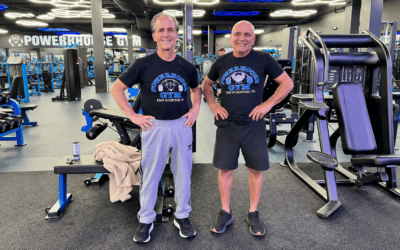
73 Years Young: Strength Has No Age Limit
At 73, Joseph Lisa is still getting stronger. Discover why age doesn’t have to define our limits and why staying active matters for a longer, healthier life.

Should We Be Afraid of AI?
Should we be afraid of AI? Dr. Scott Silverstein, a pioneer in medical informatics, shares why human judgment, experience, and responsible innovation matter more than ever.

Extraordinary Care Around the Clock
While most of us are sleeping, the cardiac surgery night crew at Jefferson Einstein Montgomery Hospital is working tirelessly to keep patients safe, supported, and cared for. Their dedication, compassion, and teamwork make extraordinary care possible around the clock.

Not Every Patient With Aortic Stenosis Is Best Served by the Least Invasive Approach
Not every patient with aortic stenosis is best served by the least invasive approach. For this 68-year-old patient, severe aortic stenosis and critical coronary artery disease made surgical valve replacement and CABG the right choice.
Featured
Pages
- Learn about heart valves. Heart Valves
- Read testimonials. Testimonials
- Did you know I have a consulting firm? Singer Heart/Lung Consulting
- Check out my TedTalk! Defining Success
Links
- Links page with more information about your heart. Links
- Dr. Adam Pick's Site: heart-valve-surgery.com
Questions? Comments?
Reach out to me here: