“There’s a lot more to medicine than just science, son.”
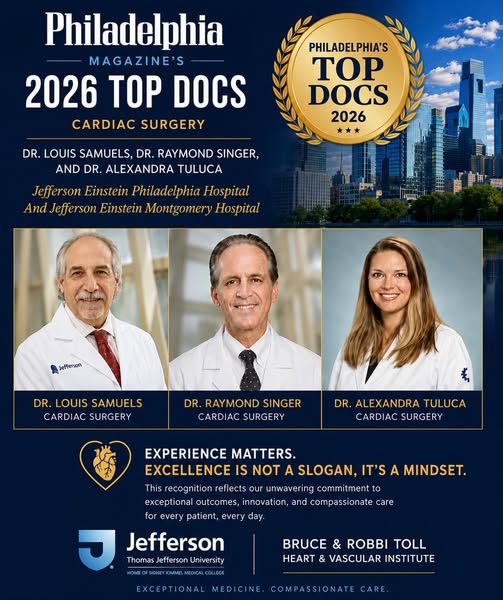
It’s a beautiful day outside and as always, I enjoy taking walks around our stunning campus at Jefferson Einstein Montgomery Hospital. Working at a hospital that is both beautiful and modern is of course a joy. However, the greater good is the impact that these beautiful facilities have on our patients’ recoveries.
Many research studies now reveal how beauty can heal patients on many levels. A study at the University of Michigan found that a high appreciation of beauty helps people recover from anxiety and depression.
At the University of California, Berkeley, research found that people who experience awe in response to nature’s beauty have significant lower levels of inflammation, reducing the risk of depression, diabetes, cardiovascular disease, and other illnesses. In fact, research found that the more often we experience awe, the lower our inflammation levels.
On a personal note, though my father was not a doctor, he gave me the most sage advice when I graduated medical school. At that point, my father had been battling multiple cancers. Through his experience as a patient, having undergone multiple cancer surgeries and treatments, he reminded me at my graduation that “there’s a lot more to medicine than just science son.”
My father understood that a caring and comfortable healing environment, with compassionate doctors and staff, could make all the difference in a patient’s mental wellbeing, and provide patients with more hope and inspiration to recover.
My Dad sadly passed away from his cancers in 1994, most sadly he died on Father’s Day. But his teachings live on in me —and for that, I am forever grateful.
Recent Posts
The Power of Culture in Healthcare: Why Great Teams Deliver Better Care
In healthcare, metrics tell only part of the story. The culture behind a program shapes how people communicate, collaborate, hold one another accountable, and ultimately care for patients.

A Tiny Heart Tumor, a Stroke, and a Remarkable Recovery
After suffering a stroke with no clear source, Tayshia Hatcher was found to have a small tumor on her aortic valve. Surgeons removed the benign tumor, preserved her valve, and helped identify what was likely the source of her stroke. Six weeks after surgery, Tayshia reported no pain and no lasting effects from her stroke.
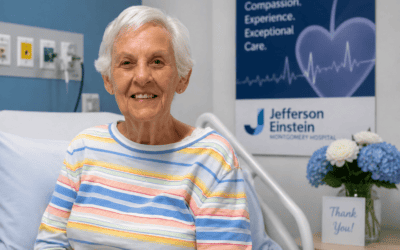
When Open Heart Surgery Is the Best Option
At 82 years old, Rachel Leister underwent triple valve open heart surgery after severe aortic and mitral valve stenosis caused significant shortness of breath. Six weeks later, she is pain-free, feeling great, and ready to get back to walking outdoors.
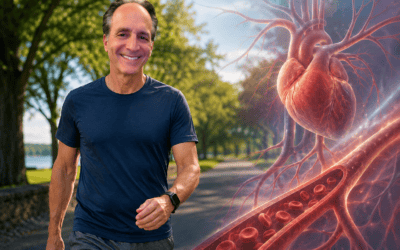
Your Heart Was Made to Move
What is the best exercise for your heart? There isn’t just one answer. Dr. Raymond Singer explains how aerobic exercise, strength training, flexibility, balance, and simple daily movement can all support cardiovascular health.
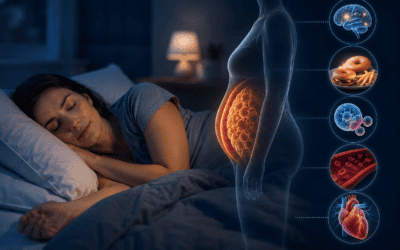
Can Sleep Affect Your Waistline?
We often think about diet and exercise when we talk about maintaining a healthy weight. But there may be a third piece of the puzzle: sleep. Dr. Raymond Singer explores how insufficient sleep can affect hunger, metabolism, cravings, abdominal fat, and cardiovascular health.
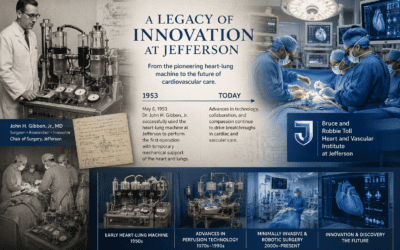
The Heart-Lung Machine: A Jefferson Legacy That Changed Medicine
More than 70 years ago, Jefferson surgeon and researcher John H. Gibbon Jr. helped make what once seemed impossible a reality: temporarily replacing the functions of the heart and lungs with a machine so surgeons could operate on a stopped heart.
Featured
Pages
- Learn about heart valves. Heart Valves
- Read testimonials. Testimonials
- Did you know I have a consulting firm? Singer Heart/Lung Consulting
- Check out my TedTalk! Defining Success
Links
- Links page with more information about your heart. Links
- Dr. Adam Pick's Site: heart-valve-surgery.com