This is an interesting article discussing the use of TikTok and social media for purposes of educating patients, and as a marketing tool for hospitals. I was very early to this concept when I started a personal website in 1999. Prior to publishing the website, I reviewed it with my hospital and worked with them to ensure alignment. My website was created solely for educating patients who were already sent to me for surgery. I recognized that I could not completely explain everything in a short 45-60 minute consultation, so I would advise patients to review my website after completing their consultation with me.
Over the years, my website grew and became a way to attract patients from outside of the hospital’s immediate capture region. The website also decreased outmigration, such that patients who were recommended to have surgery with me, would more likely decide to stay with me, after reviewing my website.
As discussed in the article, fast forward to the pandemic, when social media really took off, especially TikTok. Yes, it was a form of entertainment, but it also quickly became a way for many people to get updates, and even debate about controversial aspects about COVID. Indeed, my first TikTok video discussed the importance of washing your hands and not touching your face, which got 800,000 views the first day. I’ve now expanded my videos to share patients’ surgical experiences, all, of course, with their signed consents, adhering to HIPAA standards.
There are many downsides to the use of social media, both as a marketing tool, and for personal usage. I have run into challenges at both levels. Indeed, one of the lectures I give to residents is entitled “Social Media: The good, the bad and the ugly!”
For employed physicians like me, it is paramount to make sure that you are aligned with your hospital’s marketing department, as well as your hospital’s legal and public affairs divisions. Ideally, any employed physician should clear anything posted on social media, or in the newspapers. For example, I have written 60+ Op Ed essays in various newspapers, and each time I had the drafts reviewed by the hospital’s marketing, legal, and public affairs teams, prior to my submitting the essays for publication. The same caution should be given when promoting a new technology, surgery, or clinical practice, be it on TikTok, YouTube, Facebook, Twitter, LinkedIn, or whatever the next hot social media app will be.
All that said, in my 32 years of surgical practice, I have found that the best marketing tool in healthcare remains word of mouth from a satisfied patient or family member who had a quality experience and positive outcome. In addition to word of mouth, outreach educational efforts by physicians to other physicians, as well as physicians to the community, remains one of the most effective ways to enhance your practice.
Recent Posts
The Power of Culture in Healthcare: Why Great Teams Deliver Better Care
In healthcare, metrics tell only part of the story. The culture behind a program shapes how people communicate, collaborate, hold one another accountable, and ultimately care for patients.
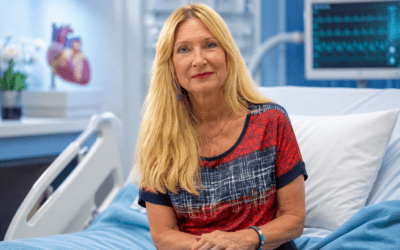
A Tiny Heart Tumor, a Stroke, and a Remarkable Recovery
After suffering a stroke with no clear source, Tayshia Hatcher was found to have a small tumor on her aortic valve. Surgeons removed the benign tumor, preserved her valve, and helped identify what was likely the source of her stroke. Six weeks after surgery, Tayshia reported no pain and no lasting effects from her stroke.
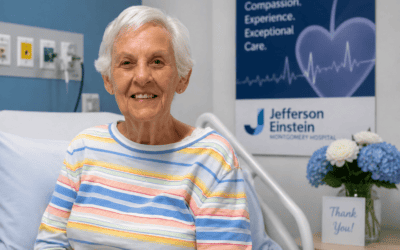
When Open Heart Surgery Is the Best Option
At 82 years old, Rachel Leister underwent triple valve open heart surgery after severe aortic and mitral valve stenosis caused significant shortness of breath. Six weeks later, she is pain-free, feeling great, and ready to get back to walking outdoors.
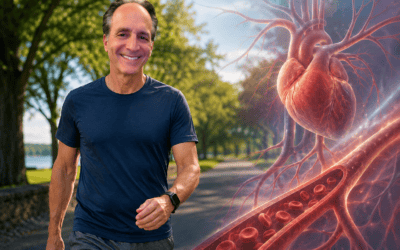
Your Heart Was Made to Move
What is the best exercise for your heart? There isn’t just one answer. Dr. Raymond Singer explains how aerobic exercise, strength training, flexibility, balance, and simple daily movement can all support cardiovascular health.

Can Sleep Affect Your Waistline?
We often think about diet and exercise when we talk about maintaining a healthy weight. But there may be a third piece of the puzzle: sleep. Dr. Raymond Singer explores how insufficient sleep can affect hunger, metabolism, cravings, abdominal fat, and cardiovascular health.
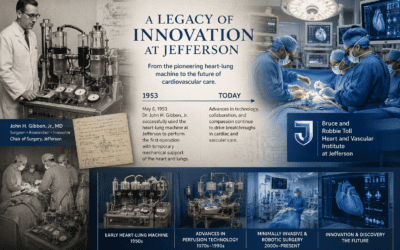
The Heart-Lung Machine: A Jefferson Legacy That Changed Medicine
More than 70 years ago, Jefferson surgeon and researcher John H. Gibbon Jr. helped make what once seemed impossible a reality: temporarily replacing the functions of the heart and lungs with a machine so surgeons could operate on a stopped heart.
Featured
Pages
- Learn about heart valves. Heart Valves
- Read testimonials. Testimonials
- Did you know I have a consulting firm? Singer Heart/Lung Consulting
- Check out my TedTalk! Defining Success
Links
- Links page with more information about your heart. Links
- Dr. Adam Pick's Site: heart-valve-surgery.com