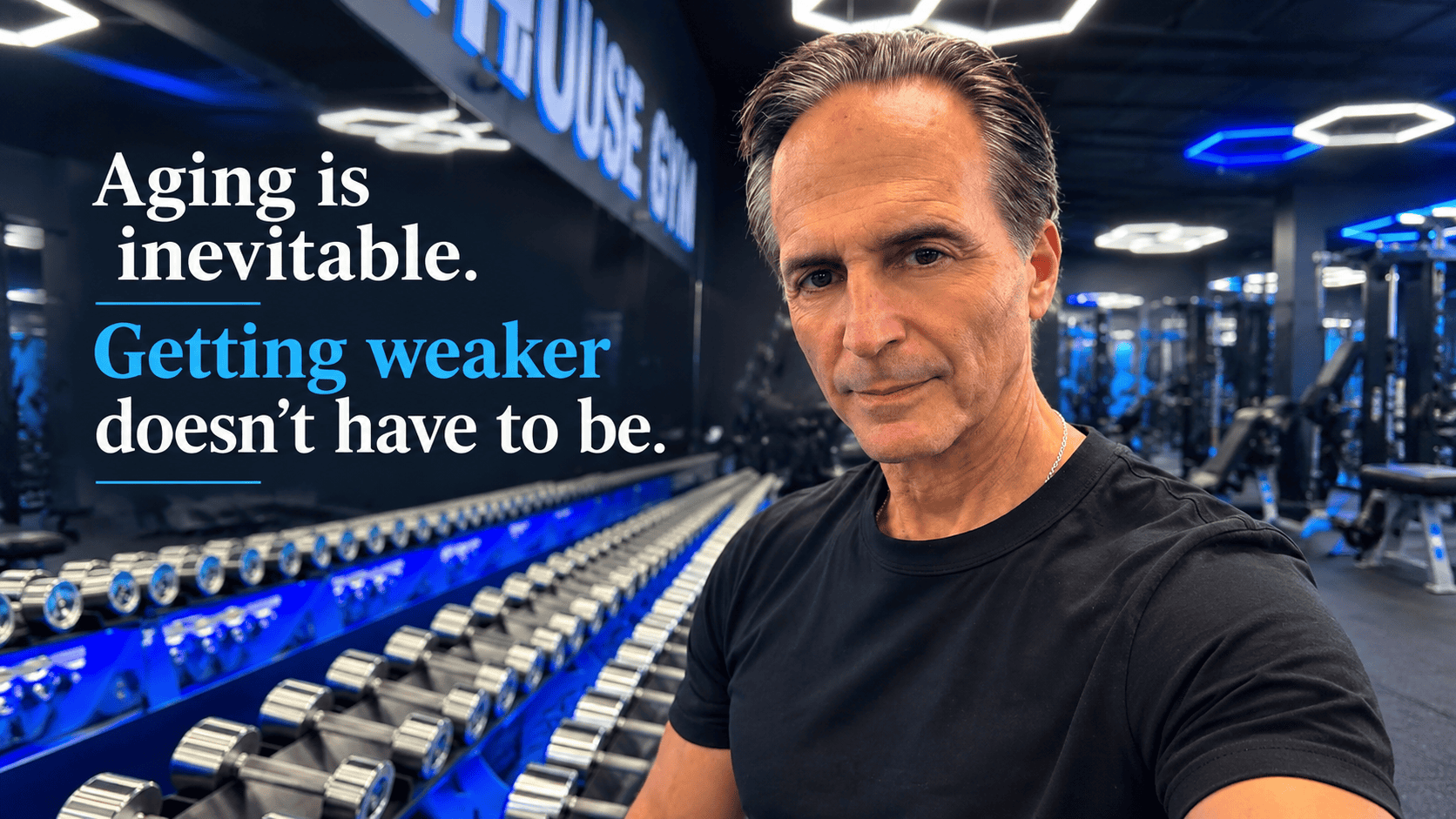
As a cardiac surgeon, I spend much of my professional life helping people live longer. But as I’ve gotten older, I’ve become increasingly focused on something just as important: living better.
Living well as we age means more than adding years to our lives. It means preserving the strength, mobility, balance, cardiovascular health, and independence that allow us to enjoy those years.
Exercise Is About More Than Fitness
Exercise isn’t about trying to turn back the clock. None of us can become 30 again, and that shouldn’t be the goal.
The goal is to maintain as much strength and function as possible for the years ahead.
For many older adults, that doesn’t require extreme workouts or spending hours in a gym. Regular walking or another form of aerobic activity can support cardiovascular health, while appropriate resistance training can help maintain muscle strength and physical function.
The key is consistency.
Strength Matters as We Get Older
Maintaining strength becomes increasingly important with age. Strength supports everyday activities, balance, mobility, and independence. It also helps us remain capable of doing the things that make life enjoyable.
A combination of regular aerobic activity and appropriate resistance training can be an important part of a healthy aging routine.
That doesn’t mean trying to become a bodybuilder. It means giving your body a reason to remain strong.
My Own Health Journey
This has become personal for me.
I’m 68, and my goal isn’t to compete with who I was at 28, 38, or 48. My goal is to keep becoming the healthiest and strongest version of myself today.
Before beginning my own health journey two years ago, I made sure I had appropriate cardiac evaluation, including a stress test and echocardiogram. Since then, I’ve lost significant weight and made exercise part of my daily routine. I’m also continuing to follow up with my physicians to make sure everything remains on track.
Exercise matters during every decade of our lives, but as we get older, regular physical activity, healthy nutrition, maintaining a healthy weight, and managing stress become increasingly important.
Living Longer and Living Better
As physicians, we often talk about longevity. But longevity is only part of the equation.
The years we gain are more meaningful when we can remain active, independent, engaged, and able to participate in the lives and activities that matter to us.
We can’t stop aging. But we can influence how we age.
It is never too late to begin taking better care of your health. Start where you are. Start slowly if necessary. Be consistent. Then build from there.
If you have cardiovascular disease, significant risk factors, symptoms, or have been sedentary, talk with your physician before beginning or significantly changing an exercise program.
Keep moving. Keep getting stronger. Keep investing in your future.
Interested in my book? You can buy it on Amazon!
(𝘛𝘩𝘦 𝘷𝘪𝘦𝘸𝘴 𝘦𝘹𝘱𝘳𝘦𝘴𝘴𝘦𝘥 𝘪𝘯 𝘮𝘺 𝘱𝘰𝘴𝘵𝘴 𝘢𝘳𝘦 𝘮𝘺 𝘰𝘸𝘯 𝘢𝘯𝘥 𝘥𝘰 𝘯𝘰𝘵 𝘳𝘦𝘱𝘳𝘦𝘴𝘦𝘯𝘵 𝘵𝘩𝘦 𝘷𝘪𝘦𝘸𝘴 𝘰𝘧 𝘮𝘺 𝘦𝘮𝘱𝘭𝘰𝘺𝘦𝘳 𝘰𝘳 𝘢𝘯𝘺 𝘰𝘳𝘨𝘢𝘯𝘪𝘻𝘢𝘵𝘪𝘰𝘯.)
Recent Posts
It’s Never Too Late to Invest in Your Health
You don’t need to be an athlete or 25 to invest in your health. Discover why movement, emotional well-being, and purpose matter at every age.

Two Valves Repaired: Seeing the Heart Work Better
A cardiac surgeon explains the repair of two severely leaking heart valves, including what the echocardiogram showed before and after surgery.
73 Years Young: Strength Has No Age Limit
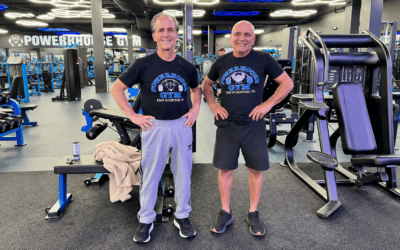
At 73, Joseph Lisa is still getting stronger. Discover why age doesn’t have to define our limits and why staying active matters for a longer, healthier life.

Should We Be Afraid of AI?
Should we be afraid of AI? Dr. Scott Silverstein, a pioneer in medical informatics, shares why human judgment, experience, and responsible innovation matter more than ever.

Extraordinary Care Around the Clock
While most of us are sleeping, the cardiac surgery night crew at Jefferson Einstein Montgomery Hospital is working tirelessly to keep patients safe, supported, and cared for. Their dedication, compassion, and teamwork make extraordinary care possible around the clock.

Not Every Patient With Aortic Stenosis Is Best Served by the Least Invasive Approach
Not every patient with aortic stenosis is best served by the least invasive approach. For this 68-year-old patient, severe aortic stenosis and critical coronary artery disease made surgical valve replacement and CABG the right choice.
Featured
Pages
- Learn about heart valves. Heart Valves
- Read testimonials. Testimonials
- Did you know I have a consulting firm? Singer Heart/Lung Consulting
- Check out my TedTalk! Defining Success
Links
- Links page with more information about your heart. Links
- Dr. Adam Pick's Site: heart-valve-surgery.com