Have you ever noticed that as we age, we reach for a sweater or jacket more often, or that cold weather seems to feel colder than it used to? There’s actually real science behind that. As we get older, our bodies become less efficient at regulating temperature.
One reason is that we gradually lose some of the layer of fat beneath the skin that helps insulate us from the cold. At the same time, our blood vessels do not respond as quickly as they once did, making it harder for the body to redirect warm blood and maintain comfort.
Muscle mass also decreases with age, and muscles play an important role in generating heat. The less muscle mass we have, the less natural heat our bodies produce. On top of that, metabolism tends to slow down over time, which means the body generates less heat overall.
Certain medical conditions can make sensitivity to cold even more noticeable. Poor circulation, thyroid disorders, anemia, diabetes, sudden weight loss, and some medications can all contribute to feeling colder more easily. That is why many older adults prefer warmer homes or wear extra layers, even when younger family members feel perfectly comfortable.
It is also important not to ignore a major change in cold tolerance, especially if it develops suddenly or is accompanied by symptoms such as fatigue, dizziness, shortness of breath, or sudden weight changes.
In many cases, increased sensitivity to cold is simply part of aging. But sometimes it can signal an underlying medical issue that deserves attention.
So if you find yourself reaching for an extra blanket more often as the years go by, you are probably not imagining it. Aging changes the way the body handles temperature, and for many people, cold simply feels colder.
Interested in my book? You can buy it on Amazon!
(𝘛𝘩𝘦 𝘷𝘪𝘦𝘸𝘴 𝘦𝘹𝘱𝘳𝘦𝘴𝘴𝘦𝘥 𝘪𝘯 𝘮𝘺 𝘱𝘰𝘴𝘵𝘴 𝘢𝘳𝘦 𝘮𝘺 𝘰𝘸𝘯 𝘢𝘯𝘥 𝘥𝘰 𝘯𝘰𝘵 𝘳𝘦𝘱𝘳𝘦𝘴𝘦𝘯𝘵 𝘵𝘩𝘦 𝘷𝘪𝘦𝘸𝘴 𝘰𝘧 𝘮𝘺 𝘦𝘮𝘱𝘭𝘰𝘺𝘦𝘳 𝘰𝘳 𝘢𝘯𝘺 𝘰𝘳𝘨𝘢𝘯𝘪𝘻𝘢𝘵𝘪𝘰𝘯.)
Recent Posts

The Power of Culture in Healthcare: Why Great Teams Deliver Better Care
In healthcare, metrics tell only part of the story. The culture behind a program shapes how people communicate, collaborate, hold one another accountable, and ultimately care for patients.
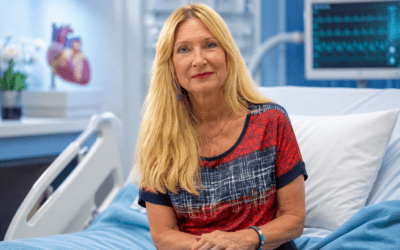
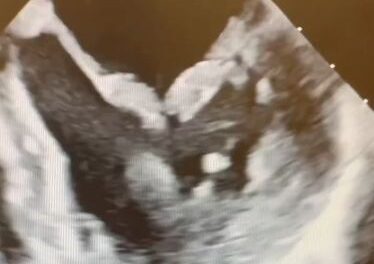
A Tiny Heart Tumor, a Stroke, and a Remarkable Recovery
After suffering a stroke with no clear source, Tayshia Hatcher was found to have a small tumor on her aortic valve. Surgeons removed the benign tumor, preserved her valve, and helped identify what was likely the source of her stroke. Six weeks after surgery, Tayshia reported no pain and no lasting effects from her stroke.
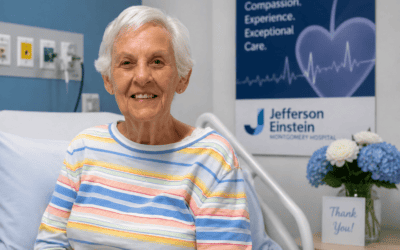
When Open Heart Surgery Is the Best Option
At 82 years old, Rachel Leister underwent triple valve open heart surgery after severe aortic and mitral valve stenosis caused significant shortness of breath. Six weeks later, she is pain-free, feeling great, and ready to get back to walking outdoors.
Your Heart Was Made to Move
What is the best exercise for your heart? There isn’t just one answer. Dr. Raymond Singer explains how aerobic exercise, strength training, flexibility, balance, and simple daily movement can all support cardiovascular health.
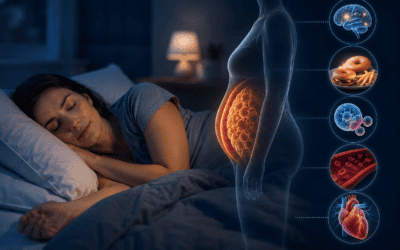
Can Sleep Affect Your Waistline?
We often think about diet and exercise when we talk about maintaining a healthy weight. But there may be a third piece of the puzzle: sleep. Dr. Raymond Singer explores how insufficient sleep can affect hunger, metabolism, cravings, abdominal fat, and cardiovascular health.
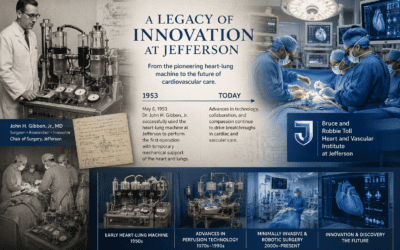
The Heart-Lung Machine: A Jefferson Legacy That Changed Medicine
More than 70 years ago, Jefferson surgeon and researcher John H. Gibbon Jr. helped make what once seemed impossible a reality: temporarily replacing the functions of the heart and lungs with a machine so surgeons could operate on a stopped heart.
Featured
Pages
- Learn about heart valves. Heart Valves
- Read testimonials. Testimonials
- Did you know I have a consulting firm? Singer Heart/Lung Consulting
- Check out my TedTalk! Defining Success
Links
- Links page with more information about your heart. Links
- Dr. Adam Pick's Site: heart-valve-surgery.com