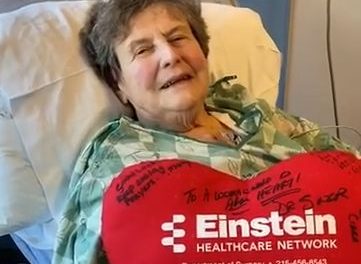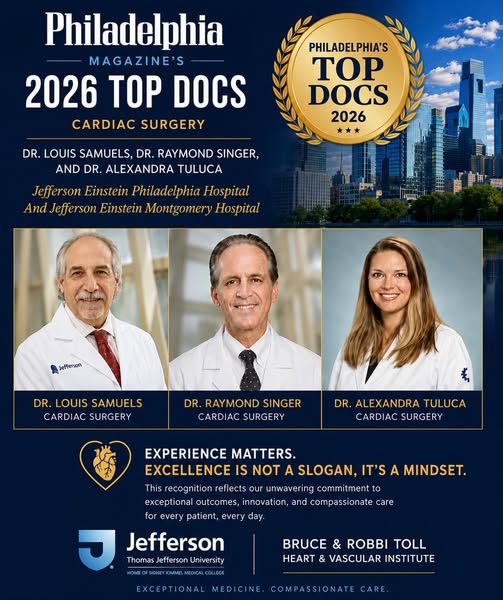
This video interview is with a 75-year-old patient, on postoperative day #3, after a surgical aortic valve replacement surgery for critical aortic stenosis, combined with a radiofrequency maze procedure for atrial fibrillation.
His aortic valve was replaced with a 25mm Edwards Inspiris Resilia bovine bioprothetic valve. The maze procedure was performed with the AtriCure radiofrequency system, along with placement of a 50mm AtriCure left atrial clip occluder.
The maze procedure treats atrial fibrillation by creating a specific pattern (maze) of scar tissue, redirecting the reentrant electrical currents that cause atrial fibrillation. Clip occlusion of the left atrial appendage reduces the risk of embolic stroke from afib. The success rate for a maze procedure is 80 to 90%, and is well-tolerated.
The patient is being discharged on postoperative day #3, with minimal to no discomfort and in normal sinus rhythm. Surgical aortic valve replacement, combined with a maze procedure, can be performed through a conventional median sterneromy with minimal pain, short lengths of stays, and early recovery.
𝘕𝘰𝘵𝘦: 𝘛𝘩𝘦 𝘱𝘰𝘴𝘵𝘪𝘯𝘨 𝘰𝘧 𝘵𝘩𝘪𝘴 𝘷𝘪𝘥𝘦𝘰 𝘸𝘢𝘴 𝘱𝘦𝘳𝘧𝘰𝘳𝘮𝘦𝘥 𝘸𝘪𝘵𝘩 𝘸𝘳𝘪𝘵𝘵𝘦𝘯 𝘱𝘦𝘳𝘮𝘪𝘴𝘴𝘪𝘰𝘯 𝘧𝘳𝘰𝘮 𝘵𝘩𝘦 𝘱𝘢𝘵𝘪𝘦𝘯𝘵. 𝘐 𝘩𝘢𝘷𝘦 𝘯𝘰 𝘧𝘪𝘯𝘢𝘯𝘤𝘪𝘢𝘭 𝘳𝘦𝘭𝘢𝘵𝘪𝘰𝘯𝘴𝘩𝘪𝘱 𝘸𝘪𝘵𝘩 𝘦𝘪𝘵𝘩𝘦𝘳 𝘌𝘥𝘸𝘢𝘳𝘥𝘴 𝘓𝘪𝘧𝘦 𝘚𝘤𝘪𝘦𝘯𝘤𝘦𝘴 𝘰𝘳 𝘈𝘵𝘳𝘪𝘊𝘶𝘳𝘦.
Recent Posts
The Power of Culture in Healthcare: Why Great Teams Deliver Better Care
In healthcare, metrics tell only part of the story. The culture behind a program shapes how people communicate, collaborate, hold one another accountable, and ultimately care for patients.
A Tiny Heart Tumor, a Stroke, and a Remarkable Recovery
After suffering a stroke with no clear source, Tayshia Hatcher was found to have a small tumor on her aortic valve. Surgeons removed the benign tumor, preserved her valve, and helped identify what was likely the source of her stroke. Six weeks after surgery, Tayshia reported no pain and no lasting effects from her stroke.

When Open Heart Surgery Is the Best Option
At 82 years old, Rachel Leister underwent triple valve open heart surgery after severe aortic and mitral valve stenosis caused significant shortness of breath. Six weeks later, she is pain-free, feeling great, and ready to get back to walking outdoors.
Your Heart Was Made to Move
What is the best exercise for your heart? There isn’t just one answer. Dr. Raymond Singer explains how aerobic exercise, strength training, flexibility, balance, and simple daily movement can all support cardiovascular health.
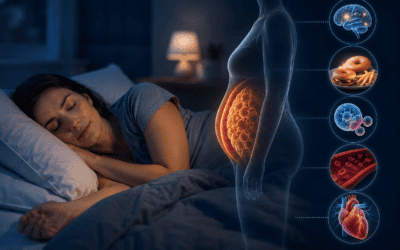
Can Sleep Affect Your Waistline?
We often think about diet and exercise when we talk about maintaining a healthy weight. But there may be a third piece of the puzzle: sleep. Dr. Raymond Singer explores how insufficient sleep can affect hunger, metabolism, cravings, abdominal fat, and cardiovascular health.
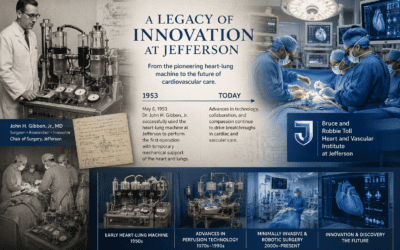
The Heart-Lung Machine: A Jefferson Legacy That Changed Medicine
More than 70 years ago, Jefferson surgeon and researcher John H. Gibbon Jr. helped make what once seemed impossible a reality: temporarily replacing the functions of the heart and lungs with a machine so surgeons could operate on a stopped heart.
Featured
Pages
- Learn about heart valves. Heart Valves
- Read testimonials. Testimonials
- Did you know I have a consulting firm? Singer Heart/Lung Consulting
- Check out my TedTalk! Defining Success
Links
- Links page with more information about your heart. Links
- Dr. Adam Pick's Site: heart-valve-surgery.com