Key Features of Barlow’s Disease:
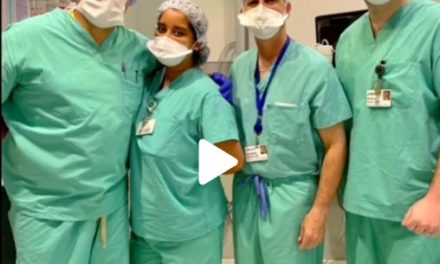
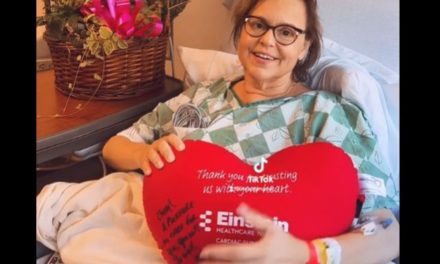
60-year-old patient with a heart murmur for many years was diagnosed with mitral valve prolapse six years ago. She was on medication for the heart murmur and was diagnosed with an echocardiogram, at which time they discovered the mitral valve prolapse in both leaflets. The cardiologist suggested surgery, but the patient wanted a second opinion due to her hesitance. It was recommended that she have an echo every six months.
Then, the patient began to feel unwell with shortness of breath. Her doctor moved the surgery window from six months to four months to check on it. The patient decided to have the surgery. It was noted that her heart was already getting a little bit enlarged, which caused concern, as that is one of the indications of severity.
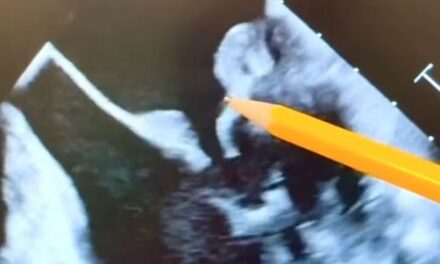
She was diagnosed with Barlow’s syndrome, or Barlow’s disease, which is excessive tissue of both leaflets, know as bi-leaflet prolapse. We had to repair the anterior leaflet and the posterior leaflet, and put a ring in, and we did a follow-up echo, not only in the operating room, but also right before discharge yesterday. The echo was perfect. She has no further mitral leakage nor stenosis. She does have SAM, systolic anterior motion, because she has an asymmetric septal hypertrophy (a little extra muscle knuckle).
She was discharged four days after surgery and says the pain after her conventional sternotomy is minimal.
Recent Posts

A Second Opinion May Save Your Life
With permission from the patient to post, this 41-year-old active cricket player never expected to need coronary artery bypass surgery. After seeking multiple opinions, he chose to have his operation at 𝗝𝗲𝗳𝗳𝗲𝗿𝘀𝗼𝗻 𝗘𝗶𝗻𝘀𝘁𝗲𝗶𝗻 𝗠𝗼𝗻𝘁𝗴𝗼𝗺𝗲𝗿𝘆 𝗛𝗼𝘀𝗽𝗶𝘁𝗮𝗹 because he felt...
February Ends, Your Heart Doesn’t
Heart Month may be over, but heart disease is still here. Prevention isn’t seasonal — it’s daily. Move more. Eat better. Manage stress. Know your numbers. Protect the only heart you get.(𝘛𝘩𝘦 𝘷𝘪𝘦𝘸𝘴 𝘦𝘹𝘱𝘳𝘦𝘴𝘴𝘦𝘥 𝘪𝘯 𝘮𝘺 𝘱𝘰𝘴𝘵𝘴 𝘢𝘳𝘦 𝘮𝘺 𝘰𝘸𝘯 𝘢𝘯𝘥 𝘥𝘰 𝘯𝘰𝘵 𝘳𝘦𝘱𝘳𝘦𝘴𝘦𝘯𝘵 𝘵𝘩𝘦 𝘷𝘪𝘦𝘸𝘴 𝘰𝘧 𝘮𝘺...

Outpatient Facility
We’re excited to share some wonderful news! Our Jefferson Cardiac Surgery practice at Jefferson Einstein Montgomery Hospital is moving our outpatient clinical offices to a new, spacious, and beautifully designed location to better serve our patients. This new office...
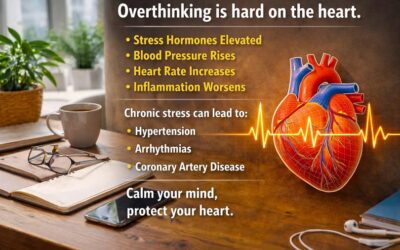
Overthinking
As a cardiac surgeon, I spend my days repairing blocked arteries and diseased valves. But over time, I’ve realized that not all strain on the heart is physical. Some of the toughest battles start in the mind. Overthinking. Replaying conversations. Anticipating...
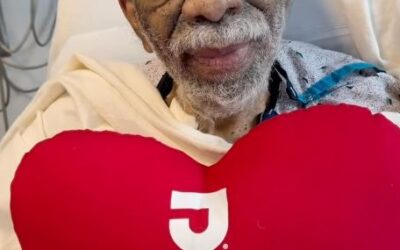
Benign Heart Tumor
This content is posted with the written permission of the patient and family. This video highlights the surgical management of a large left atrial myxoma, nearly obstructing the mitral valve, along with an image of the 5.5 cm resected specimen and a brief interview...
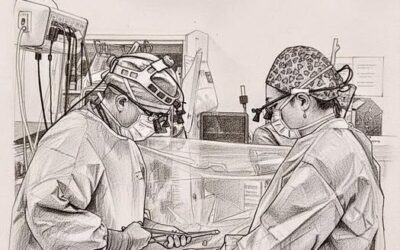
February Heart Month 2026
❤️ 𝐅𝐞𝐛𝐫𝐮𝐚𝐫𝐲 𝐢𝐬 𝐇𝐞𝐚𝐫𝐭 𝐌𝐨𝐧𝐭𝐡 ❤️ Across the country this month, communities, hospitals, workplaces, and families are coming together to shine a light on heart health through powerful initiatives like Wear Red Day, Go Red for Women, and Heart Valve Awareness Day. Each of...
Featured
Pages
- Learn about heart valves. Heart Valves
- Read testimonials. Testimonials
- Did you know I have a consulting firm? Singer Heart/Lung Consulting
- Check out my TedTalk! Defining Success
Links
- Links page with more information about your heart. Links
- Dr. Adam Pick's Site: heart-valve-surgery.com
Questions? Comments?
Reach out to me here: