Key Features of Barlow’s Disease:
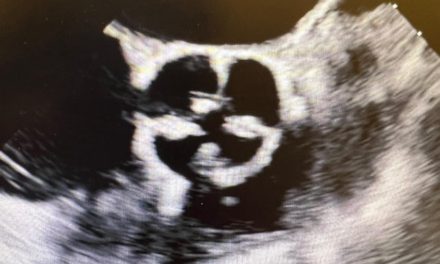
60-year-old patient with a heart murmur for many years was diagnosed with mitral valve prolapse six years ago. She was on medication for the heart murmur and was diagnosed with an echocardiogram, at which time they discovered the mitral valve prolapse in both leaflets. The cardiologist suggested surgery, but the patient wanted a second opinion due to her hesitance. It was recommended that she have an echo every six months.
Then, the patient began to feel unwell with shortness of breath. Her doctor moved the surgery window from six months to four months to check on it. The patient decided to have the surgery. It was noted that her heart was already getting a little bit enlarged, which caused concern, as that is one of the indications of severity.
She was diagnosed with Barlow’s syndrome, or Barlow’s disease, which is excessive tissue of both leaflets, know as bi-leaflet prolapse. We had to repair the anterior leaflet and the posterior leaflet, and put a ring in, and we did a follow-up echo, not only in the operating room, but also right before discharge yesterday. The echo was perfect. She has no further mitral leakage nor stenosis. She does have SAM, systolic anterior motion, because she has an asymmetric septal hypertrophy (a little extra muscle knuckle).
She was discharged four days after surgery and says the pain after her conventional sternotomy is minimal.

Recent Posts

Should We Be Afraid of AI?
Should we be afraid of AI? Dr. Scott Silverstein, a pioneer in medical informatics, shares why human judgment, experience, and responsible innovation matter more than ever.

Extraordinary Care Around the Clock
While most of us are sleeping, the cardiac surgery night crew at Jefferson Einstein Montgomery Hospital is working tirelessly to keep patients safe, supported, and cared for. Their dedication, compassion, and teamwork make extraordinary care possible around the clock.

Not Every Patient With Aortic Stenosis Is Best Served by the Least Invasive Approach
Not every patient with aortic stenosis is best served by the least invasive approach. For this 68-year-old patient, severe aortic stenosis and critical coronary artery disease made surgical valve replacement and CABG the right choice.

When the Right Heart Valve Changes: A Fourth Operation After 14 Years
A patient’s remarkable valve history led to a fourth open-heart operation, not because her mechanical valve failed, but because her medical circumstances changed.

Sleep Apnea and Your Heart: Why Your Sleep Matters
Sleep apnea isn’t just about snoring or feeling tired. Untreated sleep apnea can put stress on the cardiovascular system, making sleep an important part of taking care of your heart.

Congratulations to Anastasia Arce, PA-C, on the APC Excellence Award
Congratulations to Anastasia Arce, PA-C, on receiving the Jefferson Health APC Excellence Award. Anastasia is an invaluable member of our Cardiac Surgery team, and this recognition is so well deserved.
Featured
Pages
- Learn about heart valves. Heart Valves
- Read testimonials. Testimonials
- Did you know I have a consulting firm? Singer Heart/Lung Consulting
- Check out my TedTalk! Defining Success
Links
- Links page with more information about your heart. Links
- Dr. Adam Pick's Site: heart-valve-surgery.com
Questions? Comments?
Reach out to me here: