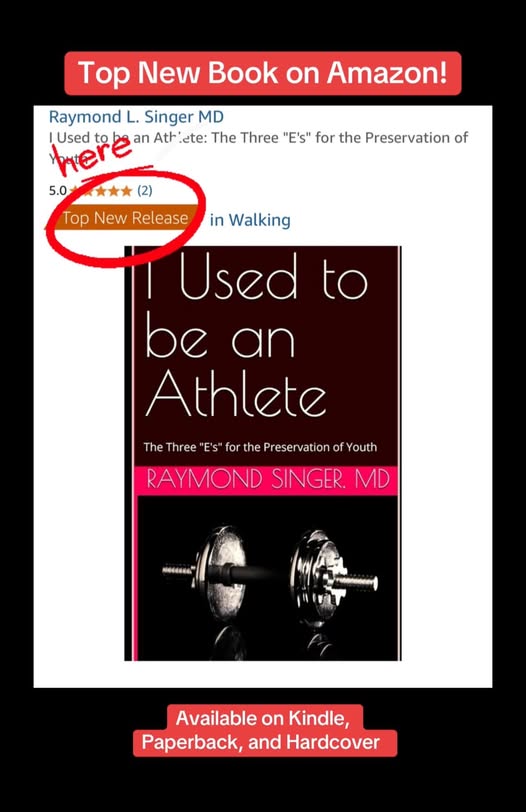
My new book is now available on Amazon Kindle, paperback, and hardcover.
Video Transcription:
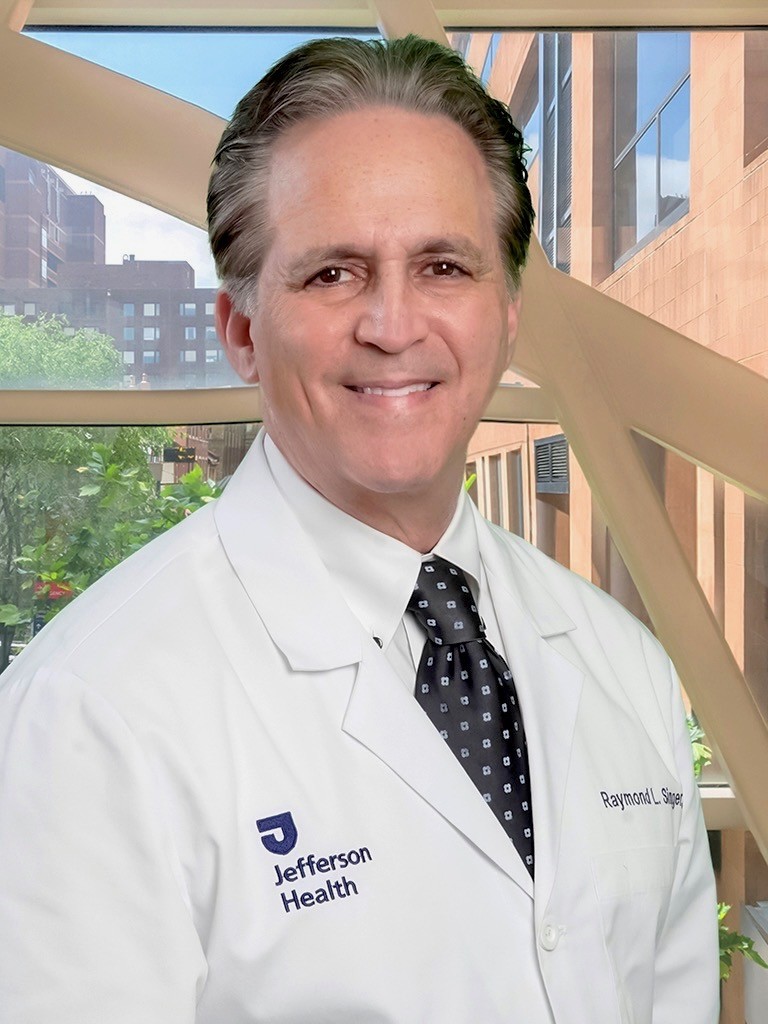
Interviewer: Time to eliminate the word diet from our vocabulary. I’m with Dr. Raymond Singer, my special guest on Everyday Health. Dr. Singer is the author of the book. I Used to be an Athlete. He is a cardiothoracic surgeon. Tell me why we should get rid of the term diet, Dr. Singer.
Well, if you think about the first three letters of the word diet is D-I-E, die. And in fact, if you are on a roller coaster of going on and off diets over time, you will hurt your body. Let me explain how that works.
What you really wanna be looking for is a lifestyle change. The problem with going on a diet is by definition, if you go on a diet, you have to come off of a diet. Now look, when you go on a diet and there are hundreds of diets out there, you will lose weight. But problem is you’re gonna lose weight much more quickly than is healthy. And when you do that, you lose fat, you lose weight, but you also lose protein. See the body won’t tolerate not having enough glucose in your body, particularly your brain.
And so the body will break down proteins in your liver, your muscles, and your heart in a process known as gluconeogenesis. The problem is that, yeah, you’ll feel great for a little bit. You’ll lose weight. You’ll think everything’s fine, but you’ve lost some protein. Now, when you come off the diet, you tend to take in excess calories and you work off again. And the simple formula is calories in versus calories out is weight loss or weight gain. And the body only knows how to store excess calories in one form, and that’s fat. And so here’s the vicious cycle, Brian.
You go on a diet, you lose weight, you lose fat, you lose protein, but when you come off the diet, you only gain fat and the fat is very dangerous fat because it goes into your heart muscle, your liver and so on.
Interviewer: A serious message from my special guest, Dr. Raymond Singer on Everyday Health. Thanks for listening.
Let’s come together this Heart Month
to prioritize our heart health and make a positive impact! 💓
Recent Posts
The Power of Culture in Healthcare: Why Great Teams Deliver Better Care
In healthcare, metrics tell only part of the story. The culture behind a program shapes how people communicate, collaborate, hold one another accountable, and ultimately care for patients.

A Tiny Heart Tumor, a Stroke, and a Remarkable Recovery
After suffering a stroke with no clear source, Tayshia Hatcher was found to have a small tumor on her aortic valve. Surgeons removed the benign tumor, preserved her valve, and helped identify what was likely the source of her stroke. Six weeks after surgery, Tayshia reported no pain and no lasting effects from her stroke.

When Open Heart Surgery Is the Best Option
At 82 years old, Rachel Leister underwent triple valve open heart surgery after severe aortic and mitral valve stenosis caused significant shortness of breath. Six weeks later, she is pain-free, feeling great, and ready to get back to walking outdoors.
Your Heart Was Made to Move
What is the best exercise for your heart? There isn’t just one answer. Dr. Raymond Singer explains how aerobic exercise, strength training, flexibility, balance, and simple daily movement can all support cardiovascular health.

Can Sleep Affect Your Waistline?
We often think about diet and exercise when we talk about maintaining a healthy weight. But there may be a third piece of the puzzle: sleep. Dr. Raymond Singer explores how insufficient sleep can affect hunger, metabolism, cravings, abdominal fat, and cardiovascular health.
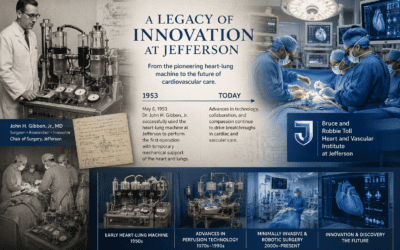
The Heart-Lung Machine: A Jefferson Legacy That Changed Medicine
More than 70 years ago, Jefferson surgeon and researcher John H. Gibbon Jr. helped make what once seemed impossible a reality: temporarily replacing the functions of the heart and lungs with a machine so surgeons could operate on a stopped heart.
Featured
Pages
- Learn about heart valves. Heart Valves
- Read testimonials. Testimonials
- Did you know I have a consulting firm? Singer Heart/Lung Consulting
- Check out my TedTalk! Defining Success
Links
- Links page with more information about your heart. Links
- Dr. Adam Pick's Site: heart-valve-surgery.com
Questions? Comments?
Reach out to me here: