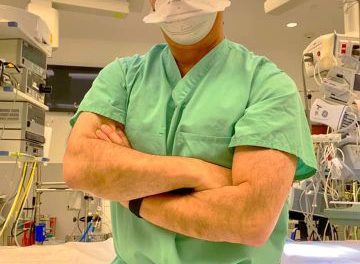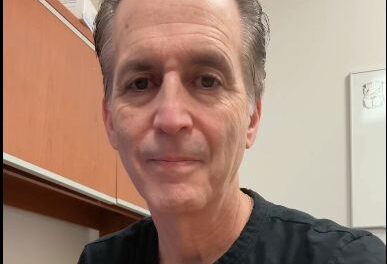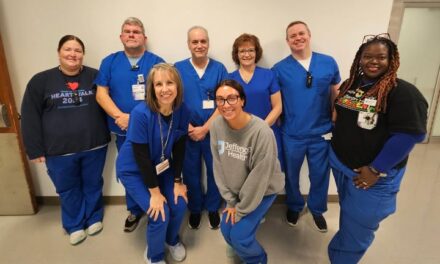
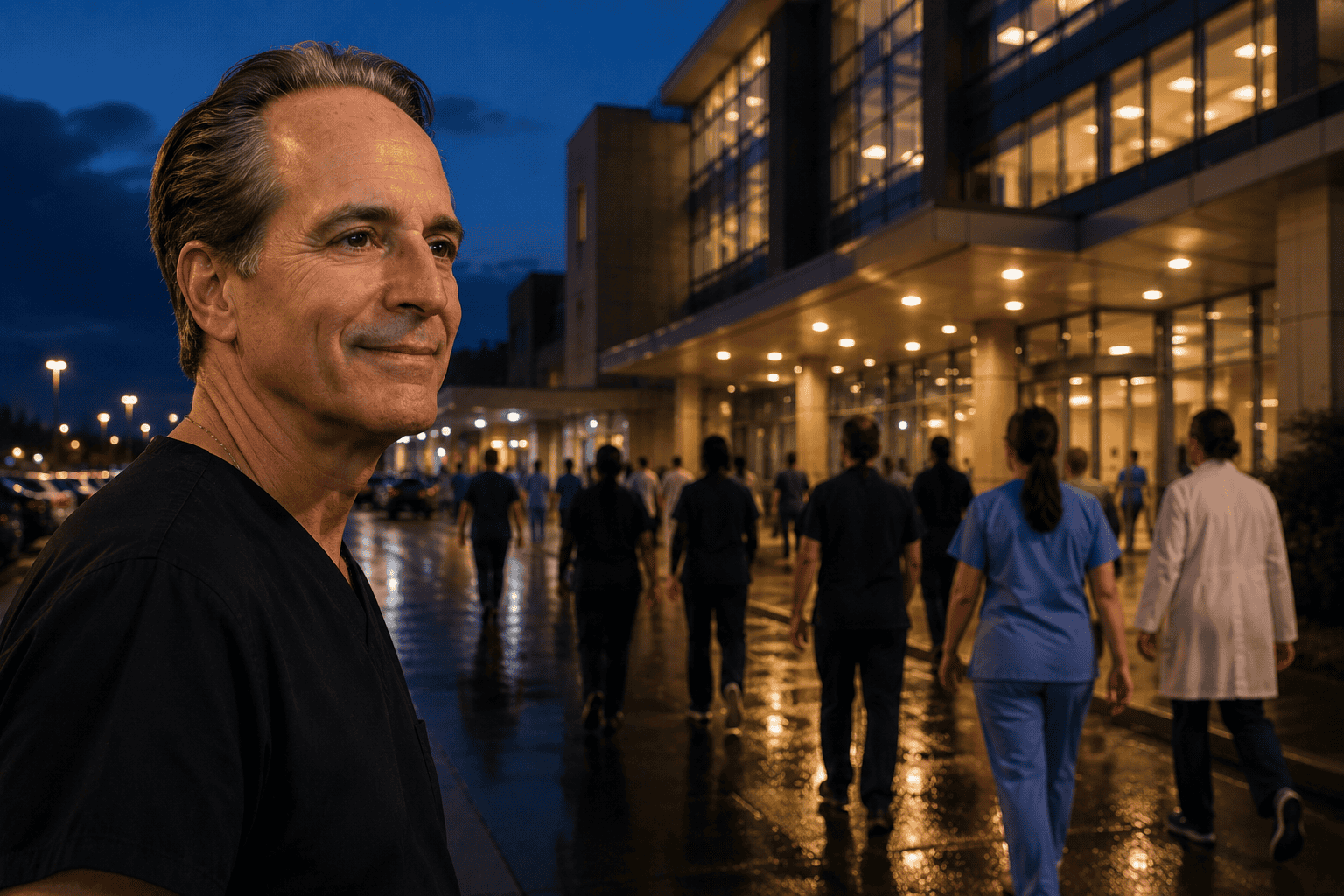
It’s a little after 7 o’clock at night, and I’m walking out of the hospital on a beautiful evening here in the Philadelphia area. And as I’m heading to my car, I see all of them walking in from their cars. And of course, I’m talking about the night shift.
Nurses, physicians, APPs, technicians, respiratory therapists, security officers, environmental services, lab personnel, pharmacists, and so on. So many people beginning their workday, just as many of us are ending ours. And it always makes me think about something that we probably don’t appreciate often enough.
And that is a hospital never closes. 24 hours a day, seven days a week, 365 days a year. It doesn’t matter if it’s Christmas morning, Thanksgiving night, New Year’s Eve, birthdays, anniversaries. It doesn’t matter if there are snowstorms, thunderstorms, hurricanes. The lights are always on because somewhere inside that hospital, someone is frightened, someone is hurting, someone is having a baby, and someone is undergoing emergency surgery. And yes, someone may be literally fighting for their life.
And someone has to be there for them.
I have tremendous admiration for everyone who keeps the hospital running. There’s so many quiet heroes behind the scenes, engineering, security, environmental services, food services. Our leadership teams, it just goes on and on. It truly takes thousands of people doing thousands of different jobs to care for our patients.
But there is something especially remarkable about the people who walk through those doors at night. While most of the world is having dinner, putting their children to bed, or settling in for the evening, your workday is just beginning.
You walk into the emergency department, the ICU, maternity, pediatrics, the operating rooms, the medical and surgical floors. You take responsibility for people during some of the most vulnerable hours of their lives.
And at two or three in the morning, when a patient is frightened and their family has gone home, you are the person who sits behind their bed, who sits with them, holds their hand, and reminds them that they are not alone. That is more than just a job. That is an awesome service that you provide.
So tonight, as I walk out and I watch you walk in, I simply want to say, I see you. I respect you and I am incredibly grateful for you.
To every member of the night shift and every hospital everywhere, thank you for keeping the lights on. Thank you for being there when the rest of the world sleeps. And most importantly, thank you for taking care of our patients.
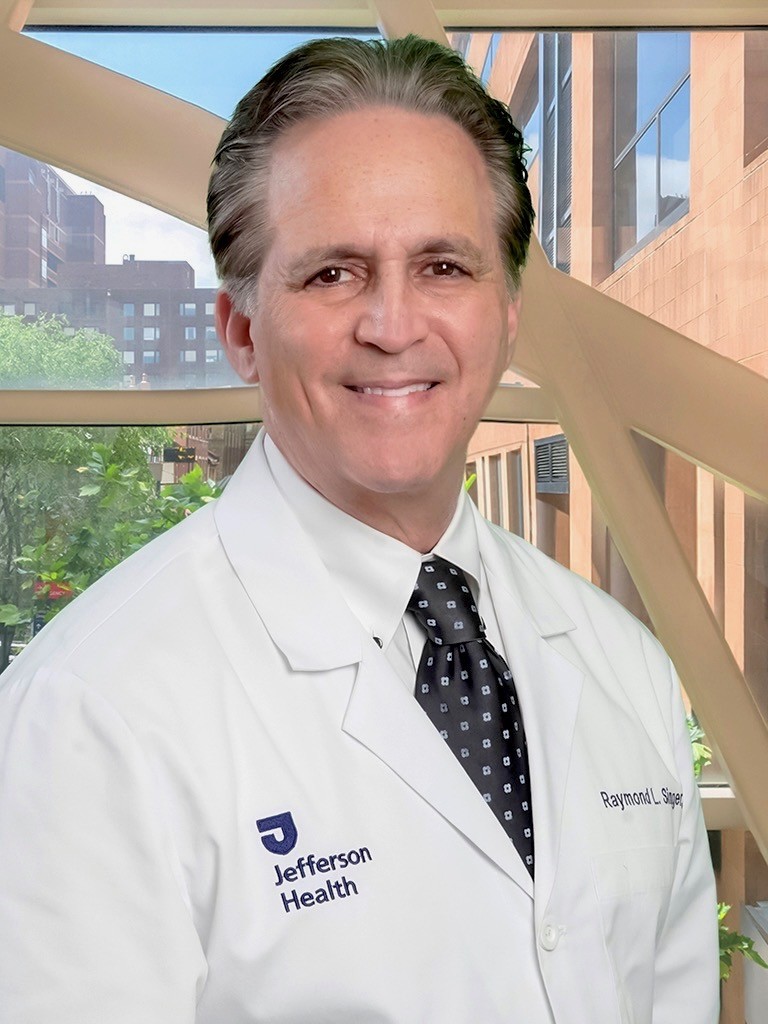
I’m Dr. Raymond Singer, and I’ll see you next time.
Interested in my book? You can buy it on Amazon!
(𝘛𝘩𝘦 𝘷𝘪𝘦𝘸𝘴 𝘦𝘹𝘱𝘳𝘦𝘴𝘴𝘦𝘥 𝘪𝘯 𝘮𝘺 𝘱𝘰𝘴𝘵𝘴 𝘢𝘳𝘦 𝘮𝘺 𝘰𝘸𝘯 𝘢𝘯𝘥 𝘥𝘰 𝘯𝘰𝘵 𝘳𝘦𝘱𝘳𝘦𝘴𝘦𝘯𝘵 𝘵𝘩𝘦 𝘷𝘪𝘦𝘸𝘴 𝘰𝘧 𝘮𝘺 𝘦𝘮𝘱𝘭𝘰𝘺𝘦𝘳 𝘰𝘳 𝘢𝘯𝘺 𝘰𝘳𝘨𝘢𝘯𝘪𝘻𝘢𝘵𝘪𝘰𝘯.)
Recent Posts
Celebrating a Remarkable Career of Caring
Dr. Raymond Singer celebrates his dear colleague and friend Marie Baker Mo, whose remarkable career has been defined by compassion, leadership, mentorship, and an unwavering commitment to caring for patients and those who care for them.
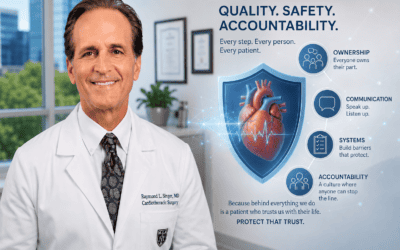
Quality and Patient Safety Must Always Come First
After years of leadership in healthcare quality and patient safety, Dr. Raymond Singer discusses two principles that can help prevent serious safety failures: ownership and communication.
The Power of Culture in Healthcare: Why Great Teams Deliver Better Care
In healthcare, metrics tell only part of the story. The culture behind a program shapes how people communicate, collaborate, hold one another accountable, and ultimately care for patients.
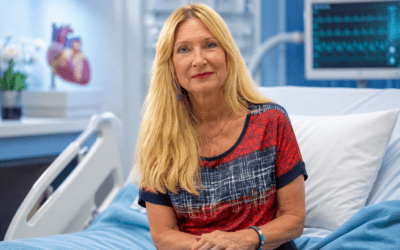
A Tiny Heart Tumor, a Stroke, and a Remarkable Recovery
After suffering a stroke with no clear source, Tayshia Hatcher was found to have a small tumor on her aortic valve. Surgeons removed the benign tumor, preserved her valve, and helped identify what was likely the source of her stroke. Six weeks after surgery, Tayshia reported no pain and no lasting effects from her stroke.
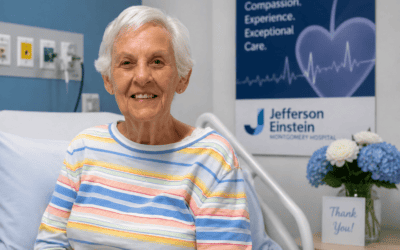
When Open Heart Surgery Is the Best Option
At 82 years old, Rachel Leister underwent triple valve open heart surgery after severe aortic and mitral valve stenosis caused significant shortness of breath. Six weeks later, she is pain-free, feeling great, and ready to get back to walking outdoors.
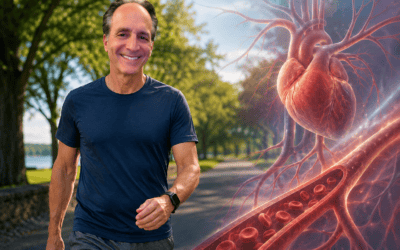
Your Heart Was Made to Move
What is the best exercise for your heart? There isn’t just one answer. Dr. Raymond Singer explains how aerobic exercise, strength training, flexibility, balance, and simple daily movement can all support cardiovascular health.
Featured
Pages
- Learn about heart valves. Heart Valves
- Read testimonials. Testimonials
- Did you know I have a consulting firm? Singer Heart/Lung Consulting
- Check out my TedTalk! Defining Success
Links
- Links page with more information about your heart. Links
- Dr. Adam Pick's Site: heart-valve-surgery.com