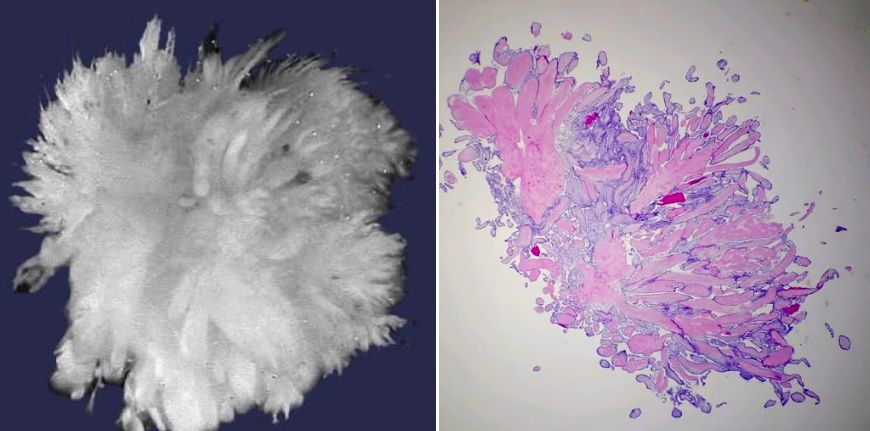
Cardiac papillary fibroelastoma is the most common tumor of heart valves. It is found most often on the aortic valve. Although benign (non-cancerous), these tumors are increasingly being recognized as a source of systemic embolization that can lead to transient ischemic attacks (TIA), ischemic stroke, and heart attacks.
The tumor pictured below is a papillary fibroelastoma of the aortic valve, found incidentally in a patient who was being evaluated for mitral valve surgery.
The appearance below is classically described as a “sea anemone” with a central stalk and frond-like arms projecting outwardly. Looking at the appearance of these unique tumors, it’s easy to understand how the tissue particles could embolize during the movement of the heart valves with each heartbeat.
Histologically, the composition of these tumors are made up of collagen and elastin, with very little vascularure. The outer layer is comprised of endothelium, an intermediate layer of connective tissue, and a core of fibrin.
Clinically, a small asymptomatic tumor may be monitored, but surgical excision is the standard recommended treatment for larger, mobile tumors, unless there is a contraindication to surgery. The heart valve itself can usually be spared and/or repaired; however, if there is significant underlying damage to the valve, it may warrant valve replacement at the time of tumor removal.
In this case example, the patient underwent the planned mitral valve operation via a sternotomy and a left atrial incision for the mitral valve portion of the operation. A second incision was then made in the aorta to remove the aortic valve tumor and successfully repair the aortic valve. The patient had no further aortic or mitral valve insufficiency. The tumor was completely excised.
Recent Posts
Why Social Media?
Why would a heart surgeon spend time creating social media content? Dr. Raymond Singer shares why education has always been at the heart of his mission and how today’s digital platforms allow physicians to reach and empower thousands of patients with accurate, compassionate, evidence-based medical information.

The Legacy We Leave Behind
Success is often measured by accomplishments, titles, and recognition, but the greatest legacy we leave is found in the lives we touch. Dr. Singer reflects on the enduring impact of compassion, mentorship, and service, reminding us that our influence extends far beyond our careers.
250 Years of Medicine
Philadelphia is known as the birthplace of American democracy, but it is also the birthplace of American medicine. Dr. Raymond Singer reflects on the physicians, hospitals, and medical institutions that transformed healthcare and continue to shape medicine 250 years later.

The Most Dangerous Emotion
Anger is more than an emotion. It places real physical stress on the heart, raising blood pressure, increasing stress hormones, and contributing to cardiovascular disease. Dr. Raymond Singer discusses the medical effects of chronic anger and why choosing kindness, patience, and compassion benefits both our emotional well-being and our hearts.
Leadership is About Standards
Leadership is not about titles. It is about standards. The best leaders don’t ask others to do what they are unwilling to do themselves. They set the tone through integrity, consistency, humility, and kindness. Every interaction, every decision, and every challenge...
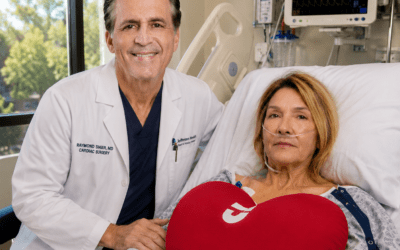
Stroke Survivor Shares Her Open Heart Surgery Recovery
After experiencing a stroke caused by tiny growths on her aortic valve, Tayshia underwent open heart surgery to prevent another stroke. Just eight hours later, she shares her experience, describing minimal pain, a successful valve repair, and renewed peace of mind.
Featured
Pages
- Learn about heart valves. Heart Valves
- Read testimonials. Testimonials
- Did you know I have a consulting firm? Singer Heart/Lung Consulting
- Check out my TedTalk! Defining Success
Links
- Links page with more information about your heart. Links
- Dr. Adam Pick's Site: heart-valve-surgery.com
Questions? Comments?
Reach out to me here: