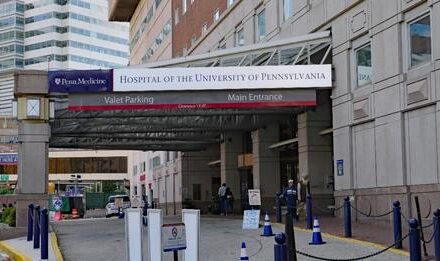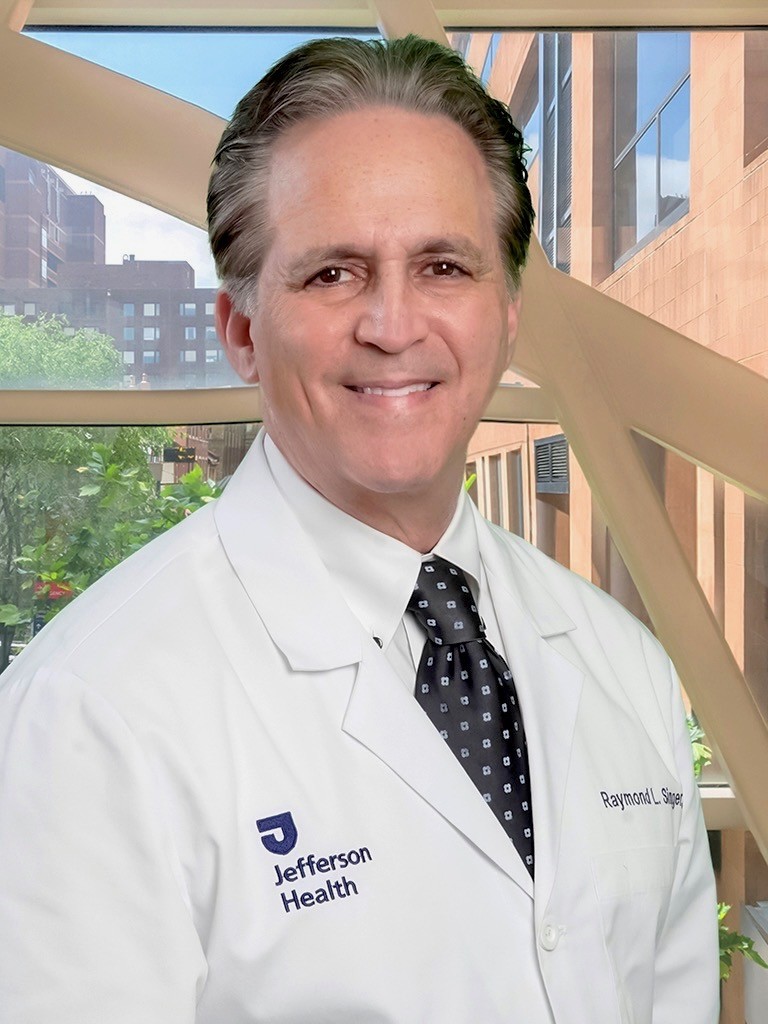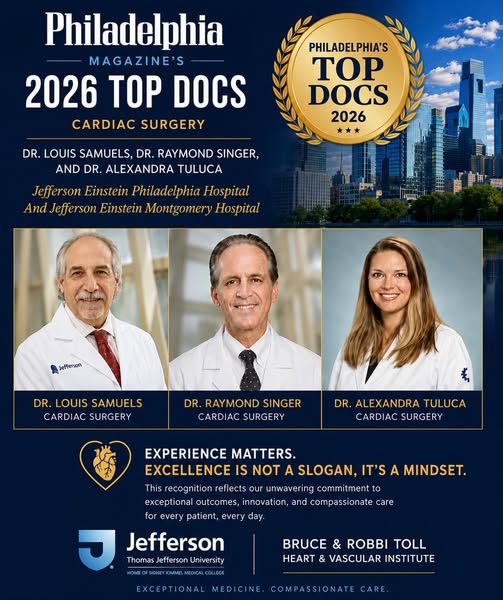
Let’s talk about the amazing heart-lung machine, how it was developed at Jefferson Medical College and Thomas Jefferson University Hospital, and the legacy that continues to this day.
Hi, I’m Dr. Raymond Singer, and when we perform open-heart surgery today, we sometimes forget just how remarkable it is that we can actually stop the human heart, operate on it, and safely keep a patient alive. Much of that story began right here at Jefferson.
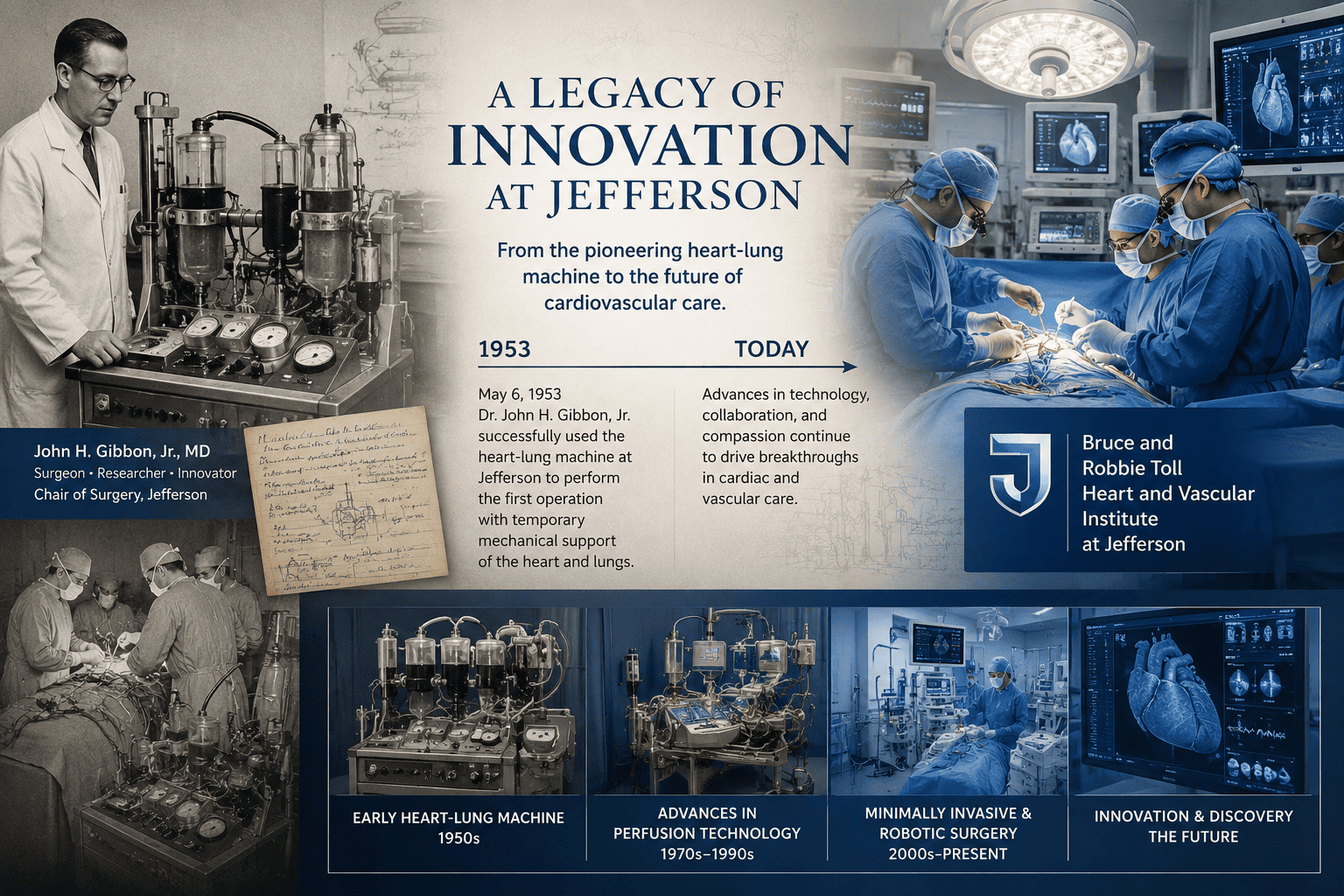
More than 70 years ago, Dr. John H. Gibbon Jr., a Jefferson graduate, surgeon, researcher, and later chair of surgery, pursued an idea that at the time must have seemed almost impossible. Could you build a machine that temporarily performed the work of both the heart and the lungs?
For years, Dr. Gibbon worked on that concept, combining surgery, physiology, engineering, experimentation, and extraordinary persistence.
Then, on May 6, 1953, at Jefferson Medical College and Thomas Jefferson University Hospital in Philadelphia, history was made.
Dr. Gibbon operated on an 18-year-old woman named Cecilia Bavaleck, who had a large atrial septal defect, a hole between the upper chambers of her heart.
Using the heart-lung machine that Dr. Gibbon had developed at Jefferson, her circulation and oxygenation could be supported while Dr. Gibbon operated on her heart and repaired the defect. For approximately 26 minutes, the machine essentially performed the functions of her heart and lungs.
The operation was successful, and modern open-heart surgery was born.
Let’s think about that significance for a moment.
Today, virtually every coronary artery bypass operation, every complex valve repair, every congenital heart operation, heart transplant, and countless other cardiovascular procedures performed around the world trace their history back to the development of the heart-lung machine right here in Philadelphia at Jefferson.
That is an extraordinary legacy, and it’s really part of our Jefferson DNA.
But I think the most important way to honor a legacy like Dr. Gibbon’s isn’t simply to celebrate the past. It’s to continue it.
Today, that tradition is embodied in the Bruce and Robbie Toll Heart and Vascular Institute at Jefferson, which brings together cardiology, cardiac surgery, vascular medicine, vascular surgery, imaging, research, education, and innovation across the entire Jefferson enterprise.
The technology has changed dramatically since 1953. Today we’re talking about minimally invasive and robotic surgery, transcatheter valve therapies, advanced mechanical support, sophisticated cardiovascular imaging, artificial intelligence and precision medicine, transplantation, heart transplantation, and lung transplantation, treatments that honestly Dr. Gibbon could scarcely have imagined in 1953.
The fundamental mission hasn’t changed.
Today, we still have to ask the difficult questions. We have to challenge what we think is possible. We have to bring physicians, scientists, engineers, nurses, and other health care professionals together, which we do.
And most importantly, we must translate this innovation into better care for our patients, because our patients come first.
I’ve always believed that medicine is a continuum. I love history. Each generation inherits the discoveries of the physicians and scientists who came before us. And then we have that obligation to move the field forward for generations to come.
At Jefferson, we have more than 70 years of history with the heart-lung machine, reminding us what can happen when someone has the courage to imagine that medicine can be better.
From John H. Gibbon Jr. and the heart-lung machine in 1953 to the Bruce and Robbie Toll Heart and Vascular Institute today, the next chapter of cardiovascular medicine is still being written.
And perhaps the most exciting part of it is this:
We don’t know yet what the next heart-lung machine will be. But our responsibility is to help find it.
I’m Dr. Raymond Singer, proud member of the Bruce and Robbie Toll Heart and Vascular Institute at Jefferson. I hope this historical perspective was helpful, and I’ll see you next time.
Interested in my book? You can buy it on Amazon!
(𝘛𝘩𝘦 𝘷𝘪𝘦𝘸𝘴 𝘦𝘹𝘱𝘳𝘦𝘴𝘴𝘦𝘥 𝘪𝘯 𝘮𝘺 𝘱𝘰𝘴𝘵𝘴 𝘢𝘳𝘦 𝘮𝘺 𝘰𝘸𝘯 𝘢𝘯𝘥 𝘥𝘰 𝘯𝘰𝘵 𝘳𝘦𝘱𝘳𝘦𝘴𝘦𝘯𝘵 𝘵𝘩𝘦 𝘷𝘪𝘦𝘸𝘴 𝘰𝘧 𝘮𝘺 𝘦𝘮𝘱𝘭𝘰𝘺𝘦𝘳 𝘰𝘳 𝘢𝘯𝘺 𝘰𝘳𝘨𝘢𝘯𝘪𝘻𝘢𝘵𝘪𝘰𝘯.)
Recent Posts
Your Heart Was Made to Move
What is the best exercise for your heart? There isn’t just one answer. Dr. Raymond Singer explains how aerobic exercise, strength training, flexibility, balance, and simple daily movement can all support cardiovascular health.

Can Sleep Affect Your Waistline?
We often think about diet and exercise when we talk about maintaining a healthy weight. But there may be a third piece of the puzzle: sleep. Dr. Raymond Singer explores how insufficient sleep can affect hunger, metabolism, cravings, abdominal fat, and cardiovascular health.
50 Years Later: A Journey Home
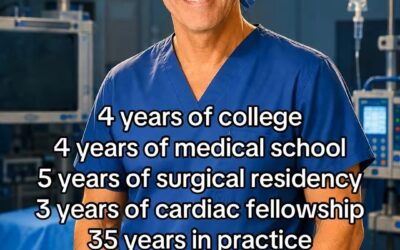
As I prepare for my 50th high school reunion, I find myself reflecting on a journey that has taken me from Cheltenham to college, medical school, surgical training, decades of practice, and ultimately back home to care for the community where it all began.

GLP-1 Medications and Alcohol: Can They Reduce Cravings?
Emerging research suggests GLP-1 medications may do more than help with weight loss. They may also reduce alcohol cravings by influencing the brain’s reward pathways.
Heart Symptoms You Should Never Ignore
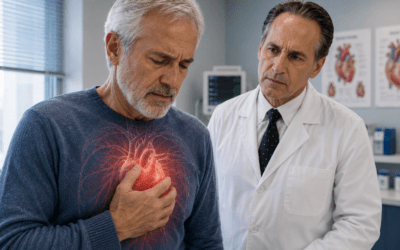
Not every symptom means heart disease, but some warning signs should never be ignored. Dr. Raymond Singer shares five important symptoms that deserve prompt medical evaluation and explains when it’s time to call 911.
5 Myths About Open-Heart Surgery
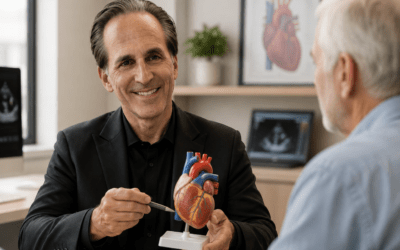
Fear often comes from misinformation. Dr. Raymond Singer addresses five of the most common myths about open-heart surgery, helping patients understand what modern heart surgery and recovery are really like.
Featured
Pages
- Learn about heart valves. Heart Valves
- Read testimonials. Testimonials
- Did you know I have a consulting firm? Singer Heart/Lung Consulting
- Check out my TedTalk! Defining Success
Links
- Links page with more information about your heart. Links
- Dr. Adam Pick's Site: heart-valve-surgery.com