– Published in the Morning Call, 1/20/2022
Hospitals can be peaceful looking and beautiful on the outside. Inside, health care providers are dealing with a surge of COVID-19 patients that is unprecedented since the pandemic began.
To make matters more challenging, there are many doctors, nurses and staff who have also contracted COVID, and many others who are caring for family members, including for children at home who are sick.
Some say that this new variant, omicron, is nothing more than sniffles and a sore throat. Thankfully for many, it is a milder version.
And, yes, it is true that even those who have been vaccinated with a booster have contracted the disease — though part of the reason that the symptoms are milder is due to the many who took the vaccines.
Still, there are people who contract omicron and become quite ill, especially if they were never vaccinated. Some patients still require ventilators. Emergency departments and intensive care units are filled with seriously ill COVID patients.
This surge is also forcing hospitals to selectively postpone elective procedures and operations on patients. Staffing issues have become a challenge, with caregivers being out sick with COVID themselves.
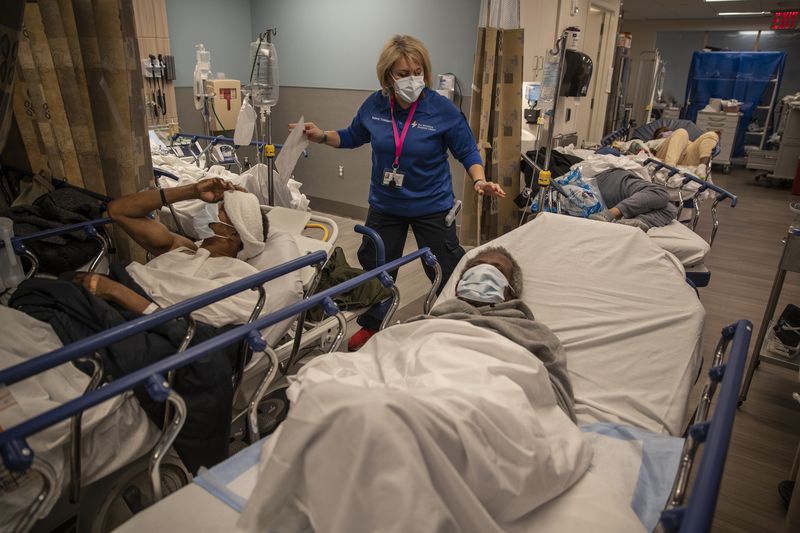
COVID patients lie side by side on stretchers at the short-staffed Brooklyn Hospital Center, in New York, Jan. 12, 2022. The omicron variant’s symptoms are generally milder, and far fewer are dying. But the patients keep arriving in droves. (Victor J. Blue/The New York Times)
We hope that omicron will come and go quickly. We hope the next variant(s) will not come to our shores, or hopefully not exist at all. We all hope that we can return to normalcy soon. But until then, our hospitals and the hardworking teams within them are stretched to their limits.
All hospitals want to be there when you need us. But we need your help, too. Here’s how:
First, if you feel that you have developed symptoms consistent with COVID, please seek out your primary care physician for testing and do not come first to the emergency department.
There are many patients coming to emergency departments just to receive a test, and that volume of patients flooding all hospitals is simply not sustainable.
Second, despite their limitations, vaccines have helped tremendously. Moreover, their safety margins are in fact excellent, based on actual observational studies and research.
Scientists worldwide are working day and night to keep up with this ever-changing virus, developing new vaccines and treatments. Merck Pharmaceuticals, which is just a few miles from my hospital, is developing antiviral medications to combat this disease.
Third, we all need to continue to use common sense. Yes, the appropriate usage of masks can help reduce the transmission of the disease. Remember, surgeons wear masks for a reason. Three-ply surgical and KN95 masks are widely available now.
Even more importantly, we need to continue to pay attention to keeping our hands and faces clean. Specifically, we need to refocus on washing our hands frequently and never touching our faces unless our hands are clean. We must emphasize this to our kids.
We also need to keep our workspaces and our homes clean. That includes our cell phones, which we all tend to be on almost every waking moment.
My final plea is that we all take a moment to be kinder and more courteous to each other. We all have different political views and concerns about the disease, as well as the therapies and vaccines.
We struggle to know what to do for our children. We struggle with the question of whether our children should be in school or at home, whether they should wear masks or get vaccines. We struggle at work and we struggle with the decision to balance work with caring for our families.
But it is time for us to stop pointing fingers at each other and start thinking about what kind of world we want for generations to come. We can only improve the societies we live in if we take a moment to listen to each other’s concerns and work together to make this a cleaner, safe and healthier planet.
When I lay down to sleep tonight, I will say a little prayer for this world. I will pray for the world’s children, who we need to become our future leaders, scientists, inventors, artists, entrepreneurs and peacemakers.
I will remember simpler times and hope they will return … and when they do, I will appreciate them more than I ever did before.
Dr. Raymond Singer is chief of cardiac surgery at Jefferson Einstein Montgomery Hospital in East Norriton, Montgomery County. He lives in South Whitehall Township.
Recent Posts
The Power of Culture in Healthcare: Why Great Teams Deliver Better Care
In healthcare, metrics tell only part of the story. The culture behind a program shapes how people communicate, collaborate, hold one another accountable, and ultimately care for patients.
A Tiny Heart Tumor, a Stroke, and a Remarkable Recovery
After suffering a stroke with no clear source, Tayshia Hatcher was found to have a small tumor on her aortic valve. Surgeons removed the benign tumor, preserved her valve, and helped identify what was likely the source of her stroke. Six weeks after surgery, Tayshia reported no pain and no lasting effects from her stroke.
When Open Heart Surgery Is the Best Option
At 82 years old, Rachel Leister underwent triple valve open heart surgery after severe aortic and mitral valve stenosis caused significant shortness of breath. Six weeks later, she is pain-free, feeling great, and ready to get back to walking outdoors.
Your Heart Was Made to Move
What is the best exercise for your heart? There isn’t just one answer. Dr. Raymond Singer explains how aerobic exercise, strength training, flexibility, balance, and simple daily movement can all support cardiovascular health.
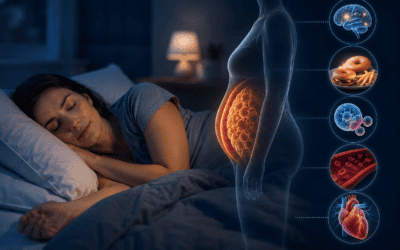
Can Sleep Affect Your Waistline?
We often think about diet and exercise when we talk about maintaining a healthy weight. But there may be a third piece of the puzzle: sleep. Dr. Raymond Singer explores how insufficient sleep can affect hunger, metabolism, cravings, abdominal fat, and cardiovascular health.
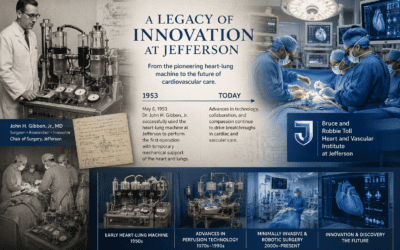
The Heart-Lung Machine: A Jefferson Legacy That Changed Medicine
More than 70 years ago, Jefferson surgeon and researcher John H. Gibbon Jr. helped make what once seemed impossible a reality: temporarily replacing the functions of the heart and lungs with a machine so surgeons could operate on a stopped heart.
Featured
Pages
- Learn about heart valves. Heart Valves
- Read testimonials. Testimonials
- Did you know I have a consulting firm? Singer Heart/Lung Consulting
- Check out my TedTalk! Defining Success
Links
- Links page with more information about your heart. Links
- Dr. Adam Pick's Site: heart-valve-surgery.com